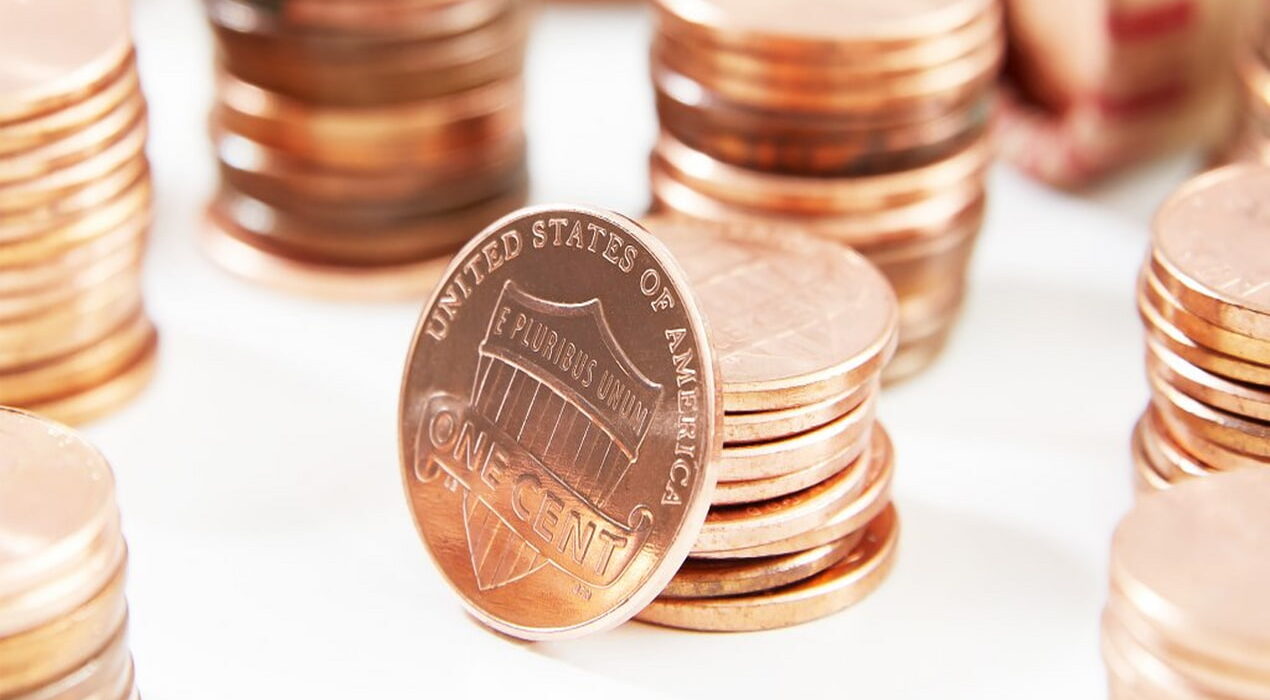
US Stops Minting Penny After 232 Years to Save Costs
After more than two centuries, the US stops minting penny to cut rising production costs. The one cent coin, used since 1793, has now officially retired.
The US Treasury and President Donald Trump announced the decision to end its production. For many Americans, this marks the end of an era. However, for businesses, it means learning to manage without the country’s smallest coin.
Retailers Adjust to Change
Retailers across the nation are facing early challenges. Many stores, gas stations, and restaurants are struggling to adapt to transactions without pennies. Some customers worry about rounding prices or losing small amounts during purchases.
To ease the shift, major brands like Walmart, Target, and Kroger are encouraging shoppers to bring exact change or use digital payments. Many people now prefer mobile wallets, which offer quick and accurate transactions.
In addition, several states are launching public awareness campaigns to educate consumers about the change. As a result, customers are slowly getting comfortable with rounding up or down at checkout.
Why the Penny Had to Go
Penny’s retirement wasn’t sudden. For years, experts debated whether the coin was still worth making. Each penny costs more to produce than its actual value. Therefore, ending its production helps reduce government spending.
The US Mint estimates that billions of dollars could be saved over the next decade. These funds can now support other economic priorities. In the long run, the move may also speed up the transition toward a more digital economy.
Other Major News
Meanwhile, President Donald Trump also ended the nation’s longest government shutdown. The 43 day closure left thousands of federal employees without pay. By signing a new funding bill, Trump reopened government agencies and ensured workers would receive back pay.
He called it “a great day” for America. Though recovery will take time, the move signals a return to stability after weeks of uncertainty.