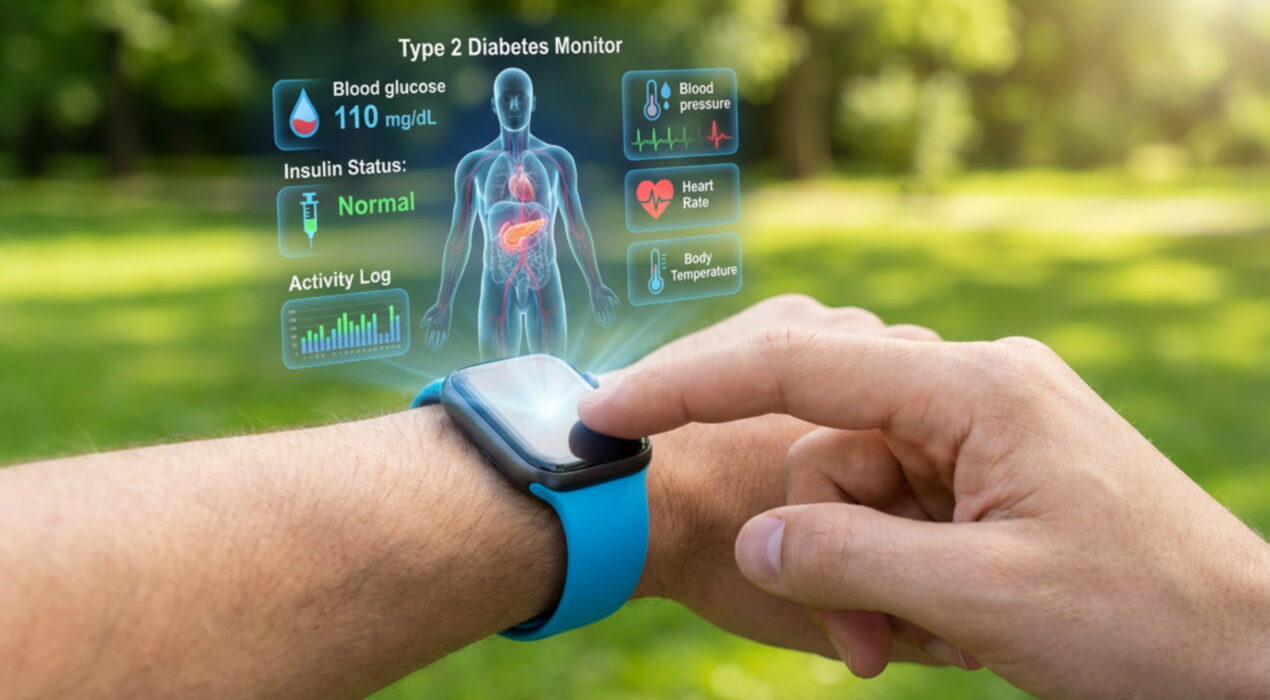
AI-Powered Wearables Transform Type 2 Diabetes Care With Smarter Monitoring
AI-powered wearables diabetes devices are reshaping how people manage type 2 diabetes. These tools now offer smarter, faster, and more accurate support for daily care. Researchers say this shift can help individuals make timely choices and reduce long-term health risks.
A new meta-review highlights how these advanced devices support early detection, personalized guidance, and continuous monitoring. The findings also show that machine learning helps people understand their glucose patterns with greater clarity. As a result, users can respond to changes before they become serious problems.
More Accurate Monitoring and Early Warnings
Modern wearable devices track glucose levels throughout the day. They also study biometric patterns to predict sudden rises or drops. This allows individuals to take action quickly and avoid complications. In addition, the devices offer more precise readings than older self-reporting methods.
For example, sensors can identify post-meal spikes or nighttime drops with high accuracy. These insights make it easier to maintain stable glucose levels. Therefore, early alerts become a reliable tool for preventing long-term damage linked to uncontrolled diabetes.
Better Engagement and Daily Support
AI-powered wearables now provide real-time prompts that encourage healthier habits. They suggest small adjustments to diet, physical activity, and medication timing. This guidance empowers people to stay consistent with their care plan. In addition, many users feel more in control because the feedback is immediate and personalized.
However, the review notes that challenges still exist. Data privacy, device costs, and clinical validation require more attention. Healthcare systems also need better ways to integrate these tools. Even so, experts agree that these devices offer meaningful support. They help users make informed decisions and build stronger self-management skills.
The review concludes that AI will not replace medical professionals. It will, however, serve as a powerful partner in personalized diabetes care.