LPG Price Surge Worries Consumers Amid Overpriced Produce
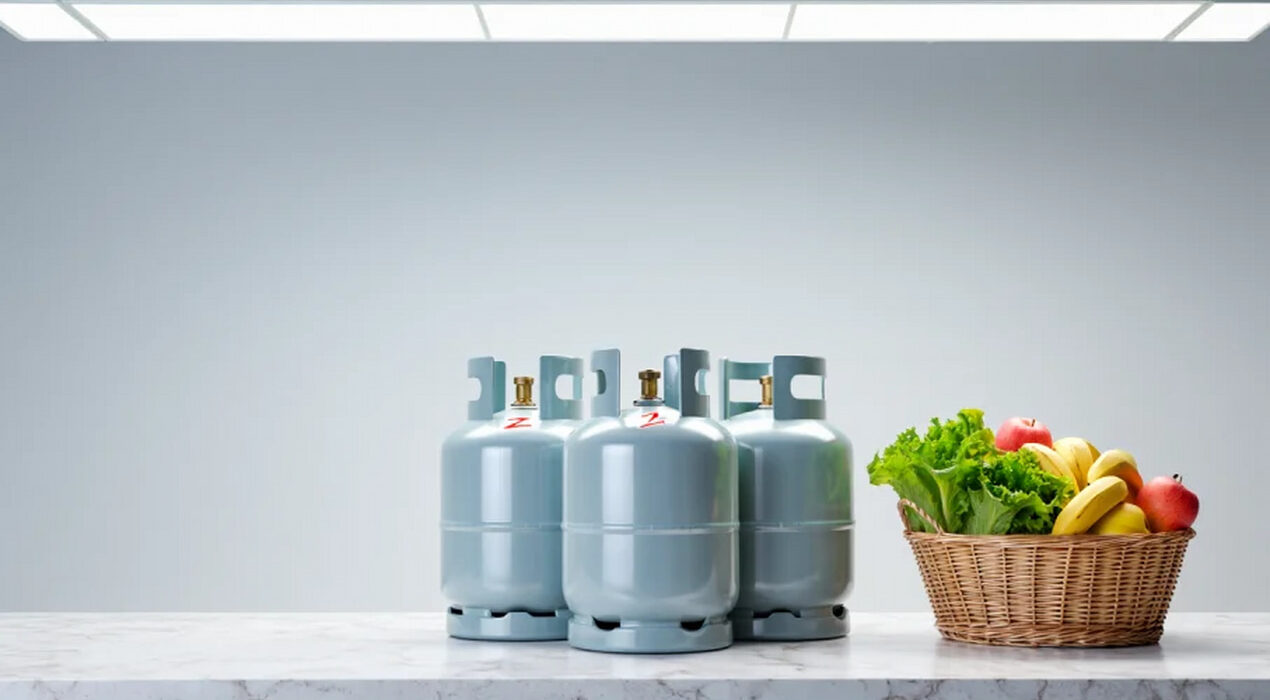
A recent market survey revealed a sharp LPG price surge this week. Many vendors are selling LPG at record high rates across several city areas. As a result, households feel growing pressure on their monthly budgets.
The official rate for a 15kg LPG cylinder ranges between Rs66 and Rs95 per kg. However, several retailers continue to charge Rs100 to Rs150 per kg. This rise has frustrated many families who rely on LPG for daily cooking.
Costly Vegetables
Vegetable prices also paint a mixed picture. Ginger prices fell in wholesale markets, dropping to Rs1,250-1,300 per 5kg. However, retail prices still stand at Rs400-450 per kg. This gap continues to confuse shoppers who expect relief after a decline in wholesale trends.
Garlic rates show a similar pattern. Local garlic sells at Rs750 per kg in wholesale but costs Rs200-230 per kg in retail. Meanwhile, Quetta garlic carries higher prices, reaching Rs1,200 per 5kg wholesale and Rs265-290 per kg retail. China garlic also climbed to Rs1,700 per 5kg wholesale and sells at Rs400-425 per kg. Many vendors mislabel local garlic as imported to charge higher rates.
Capsicum prices dropped in wholesale markets, falling from Rs900 to Rs750 per 5kg. Retailers, however, continue to charge Rs240-275 per kg. Pumpkin, tinda, eggplant, and cauliflower show similar differences between wholesale and retail prices. Therefore, shoppers find it hard to trust displayed rates.
Fresh beans and peas also became cheaper in wholesale markets but remain expensive in retail shops. This ongoing mismatch has raised concerns about pricing transparency.
Need for Action
The official price list, prepared after consulting stakeholders, allows reasonable margins. Wholesale markets can add Rs10 per kg. Retailers in most areas can charge Rs15-25 per kg, while upscale areas allow Rs20-40 per kg.
However, vendors and shopkeepers rarely follow the approved list. This lack of compliance leaves consumers without real protection. Many people now urge authorities to enforce the list strictly. In addition, they want penalties for those who ignore it. Consumers feel that keeping an unenforced system helps no one.
As prices continue rising, shoppers hope for quick action. They want fair rates and consistent monitoring that ensures relief for everyone.