AI Beats Doctors in Seconds During Live Medical Challenge
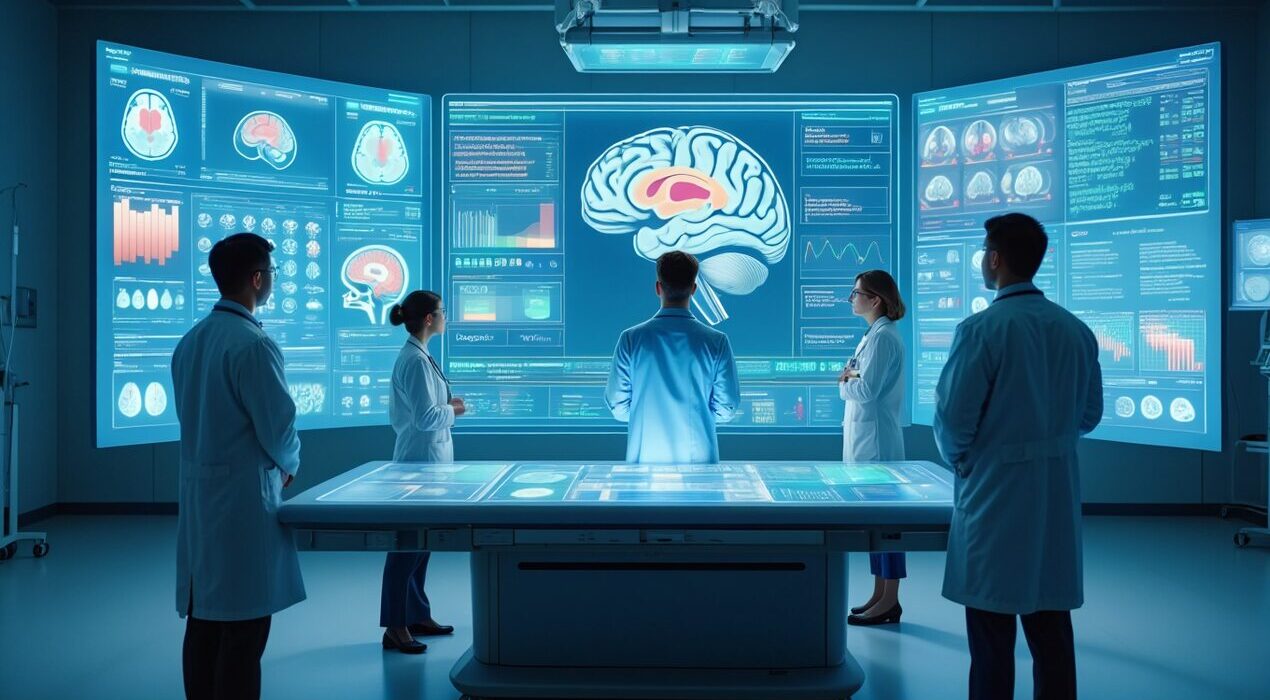
AI has once again pushed the boundaries of modern healthcare. In Shanghai, an advanced medical system shocked audiences when it diagnosed a complicated gastrointestinal case in under two seconds. The human doctors, however, needed around 13 minutes to reach the same conclusion.
This challenge took place at the Pujiang Medical AI Conference, where four chief physicians from top Shanghai hospitals formed two masked teams. They faced off against China’s Gastrointestinal Multimodal AI and a competing international AI model. China’s system matched the doctors’ diagnosis and treatment plan, while the foreign model performed slightly less accurately. As a result, experts called the test a clear sign of how quickly AI is reshaping clinical care.
AI as a Partner , Not a Replacement
Officials stressed that the goal of these systems is to help doctors, not replace them. For example, AI can scan huge amounts of medical data instantly. Doctors, however, bring human judgment, empathy, and experience. Together, they can make healthcare faster and more precise.
In addition, these AI tools can help hospitals manage workload. They can reduce diagnostic delays, support emergency teams, and assist rural clinics with fewer specialists. Therefore, the technology could create a more balanced and accessible healthcare system.
The Shanghai demonstration also highlighted how medical AI continues to evolve. Each test brings better accuracy, stronger decision-making, and more reliable support for physicians. As a result, the future of medicine now includes human-AI teamwork as a standard practice.
An Early Glimpse of the Future
This breakthrough shows that medical AI is no longer experimental. It is ready to support real-world clinical work. The question now is how quickly hospitals will adopt it. What’s clear is that AI will play a major role in diagnosing diseases, planning treatments, and improving patient care worldwide.
The era of AI-enhanced healthcare has officially arrived.