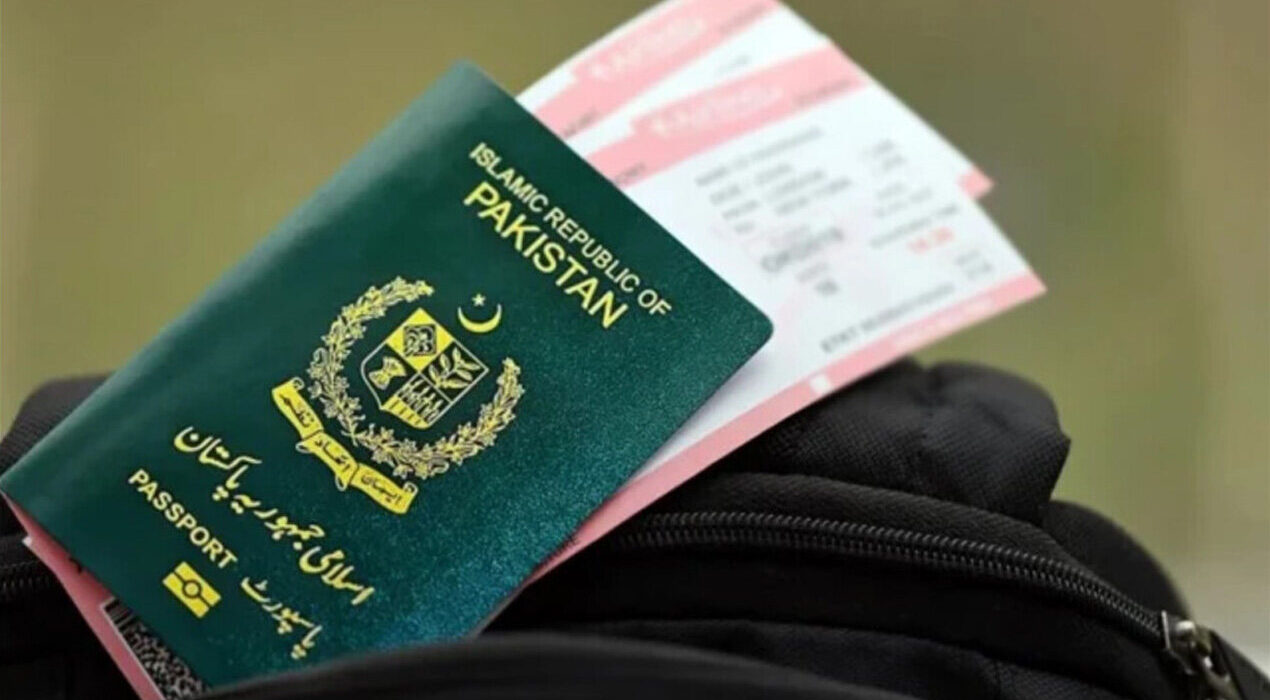
Digital Passport Monitoring System Launched Across Pakistan
Pakistan’s Passport Department has launched a major digital reform to improve public services. The Digital Passport Monitoring system aims to track applications and operations in real time. Officials announced the initiative on Monday in Islamabad.
The department established a 24-hour monitoring room at its headquarters. Director General of Passports Mustafa Jamal Qazi directed the setup. The move strengthens oversight and speeds up decision-making. As a result, citizens can expect smoother and faster passport services.
Real-Time Oversight for Better Services
The new system uses a digital integrated dashboard. It allows real-time monitoring of passport offices across Pakistan and abroad. Officials can now track applications from submission to final delivery.
This end-to-end visibility improves transparency and efficiency. In addition, it helps reduce delays and operational gaps. Authorities believe the system will enhance trust in public services.
The dashboard also identifies overcrowding at passport offices. Therefore, administrators can respond quickly to pressure points. This feature ensures better crowd management and improved citizen experience.
Staff Performance and Printing Under Watch
The Digital Passport Monitoring framework also tracks staff performance. Officials can now review attendance, efficiency, and workload centrally. As a result, accountability across offices will improve.
Passport printing operations also fall under the new system. Authorities can monitor backlogs, machine performance, and technical issues through the Network Management System. This helps prevent disruptions and speeds up printing.
Director General Mustafa Jamal Qazi said the system would significantly improve performance. He added that the department can now resolve issues immediately once identified. Moreover, central monitoring ensures consistent service standards nationwide.
This digital shift marks a key step in modernising Pakistan’s passport services. Ultimately, the initiative supports faster processing, better planning, and more inclusive public service delivery.