The One-Way Street: Sleep Drives Activity, Not the Other Way Around
When balancing daily health priorities, sleep should come first. New research highlights a critical link between sleep and physical activity. Studies show these two pillars of health influence each other over a 24-hour period. However, getting enough sleep is crucial for maintaining an active lifestyle the next day.
A large multinational study provides the evidence. It followed over 70,000 individuals for 3.5 years using health trackers. The goal was to see how many people met standard health guidelines. The results were surprising. Only 12.9% of participants achieved both recommended goals. These goals are at least 8,000 daily steps and 7-9 hours of sleep.
In contrast, a larger group failed on both counts. About 16.5% of people were simultaneously short on sleep and sedentary. This combination is linked to higher risks for chronic disease and mortality. The study confirms that optimizing both is essential for healthy aging.
The Dominant Role of Sleep
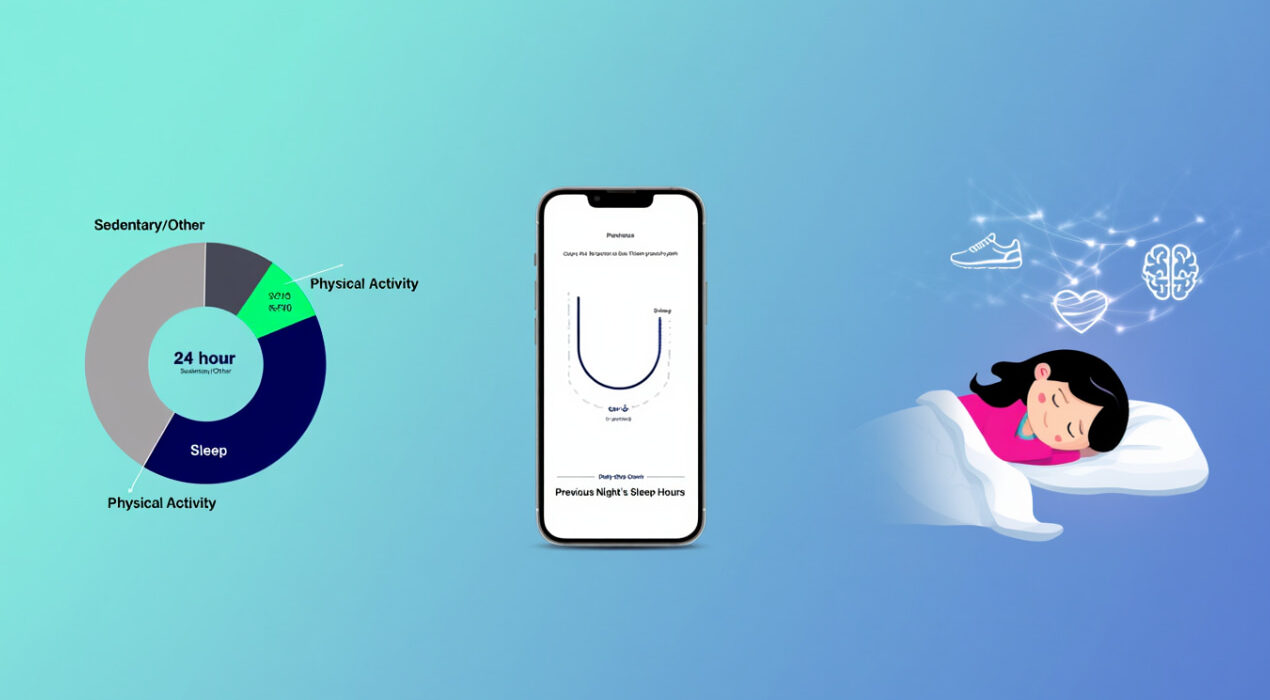
The research uncovered a one-way relationship. Sleep duration strongly influenced physical activity the next day. The connection followed an “inverted U-shaped” curve. Both too little sleep (under 6 hours) and too much (over 9 hours) led to fewer steps. The optimal sleep duration for maximum next-day activity was 6-7 hours.
Other sleep metrics also mattered. Taking longer to fall asleep (sleep latency) meant fewer steps. Higher sleep efficiency (more time asleep while in bed) led to more steps. The reverse effect was much weaker. A high step count had only a minimal positive impact on sleep quality or duration.
A Call for Integrated Health Strategies
The study’s lead author, Josh Fitton, emphasized the findings. Very few people routinely achieve sufficient sleep and adequate activity. He stresses the need to consider the “real-world compatibility” of public health guidelines. Targeting sleep and exercise individually may not work.
The solution lies in integrated interventions. Public health efforts should help people improve both simultaneously. Prioritizing adequate sleep could be the foundational step. It creates the energy and capacity for consistent physical activity. This combined approach is key to reducing long-term health risks.