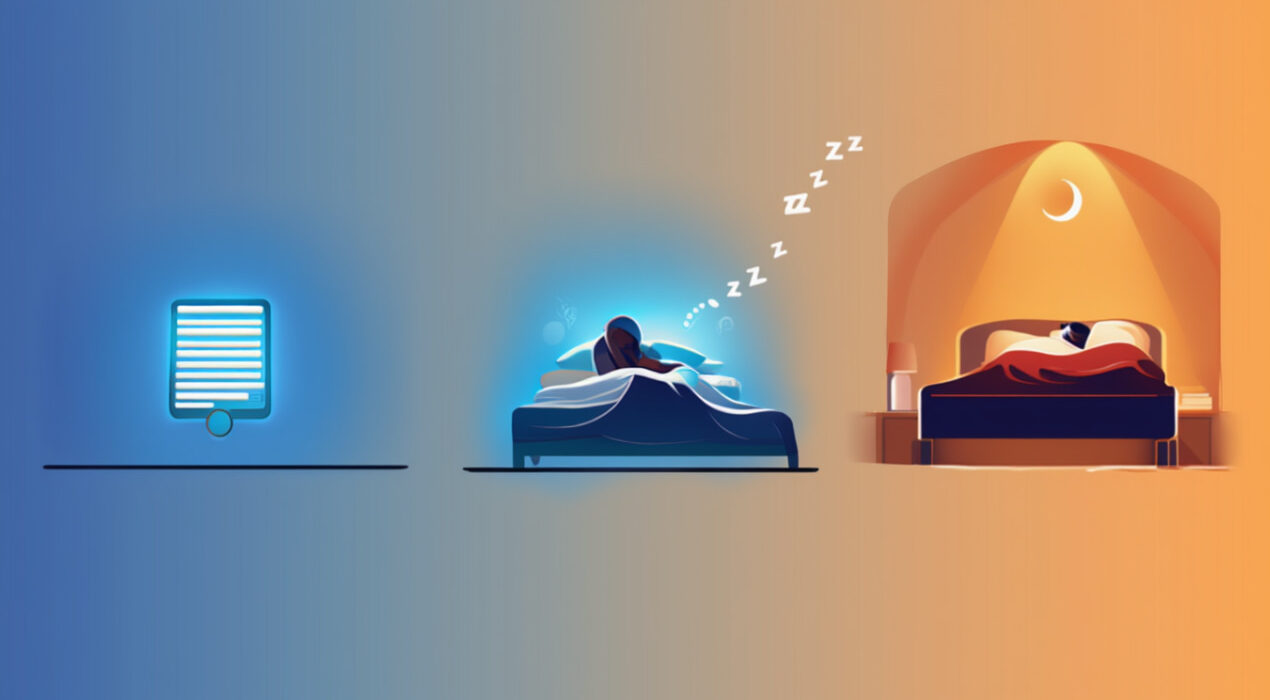
NHS Urges Britons to Remove TVs from Bedrooms to Improve Sleep
The UK’s National Health Service (NHS) is issuing important public health advice. It urges people to remove televisions from their bedrooms. This simple change aims to significantly improve sleep quality and reduce daytime fatigue. Health experts explain the science behind this recommendation.
Watching TV in bed has several negative effects. It overstimulates the brain right before sleep. This weakens the brain’s natural sleep cues. Consequently, it becomes harder to both fall asleep and stay asleep. These problems occur even if a person’s total sleep time seems adequate on paper.
Understanding the Serious Impact of Poor Sleep
According to official NHS guidance, adults should aim for seven to nine hours of restful sleep each night. Bedrooms should be reserved only for sleep and rest. Sleep specialists warn that screens at night contribute to multiple issues. These include insomnia, poor concentration, and the common afternoon energy crash.
The long-term consequences are serious. Research links chronic poor sleep to major health risks. These risks include heart disease, diabetes, high blood pressure, and cognitive decline. Therefore, addressing sleep hygiene is a critical preventative health measure.
Simple, Effective Changes for Better Health
Experts emphasize that small environmental changes can yield significant benefits. The primary recommendation is to keep the bedroom screen-free. In addition, bedrooms should be kept dark, cool, and quiet. These steps help signal to the brain that it is time for rest.
By removing the TV, individuals strengthen the mental association between bed and sleep. This makes it easier to unwind and achieve deeper, more restorative sleep. Ultimately, this leads to improved energy, mood, and overall daytime functioning.