Health Officials Confirm Two New Monkeypox Cases in Lahore
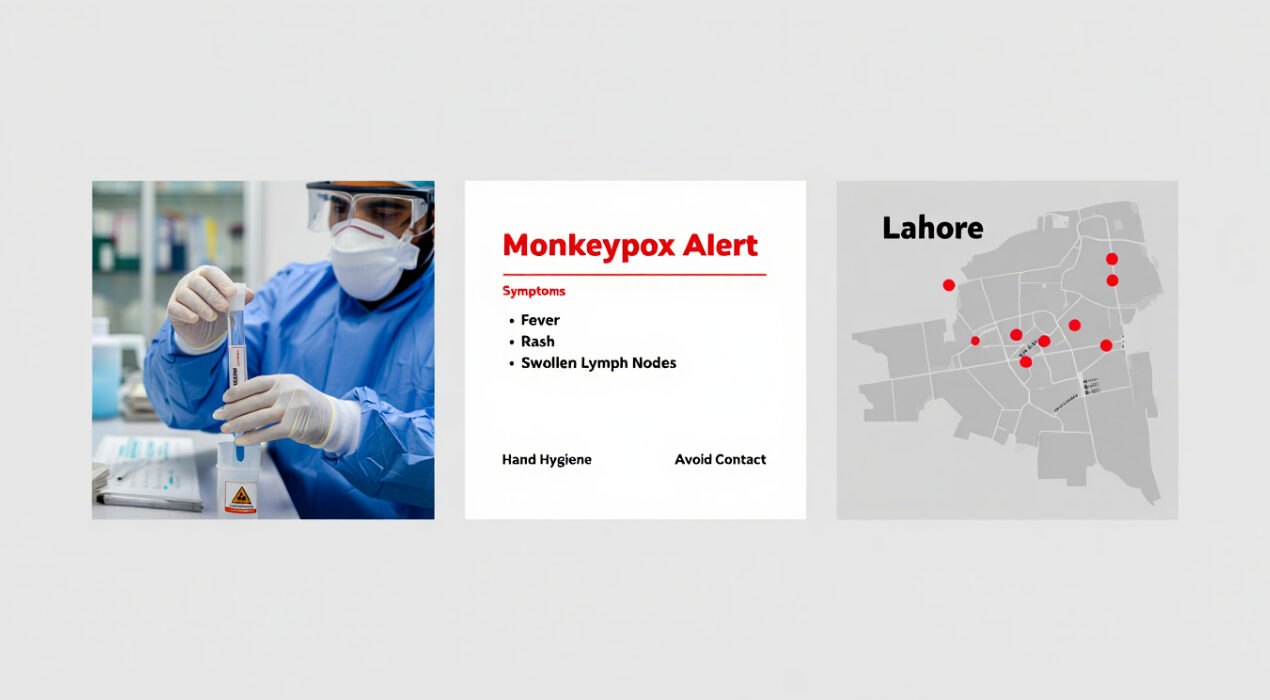
Health officials in Lahore have confirmed two new infections of the monkeypox virus. These cases have increased the city’s total number of confirmed infections to 17. The patients involved are a 40-year-old woman and a 45-year-old man. Both individuals received positive diagnoses at Mayo Hospital, a leading healthcare institution in the city.
A critical detail from the epidemiological investigation is now a primary focus for public health teams. Significantly, neither of the two new patients reported any history of recent international travel. This important fact strongly suggests the possibility of sustained, local community-based transmission within Lahore. Consequently, health authorities are intensifying their surveillance and containment efforts.
Clinical Overview of the Monkeypox Virus
Monkeypox is a well-documented viral zoonotic disease known to health experts globally. It typically presents with a recognizable and distinct set of clinical symptoms. Patients often initially experience systemic signs like fever, intense headaches, muscle aches, and swollen lymph nodes. This prodromal phase is usually followed by the development of a characteristic rash. The rash progresses to form lesions and pustules on the skin and mucous membranes.
The virus primarily transmits through close, prolonged personal contact with an infected individual. Transmission can occur via direct contact with infectious rashes, bodily fluids, or contaminated materials like bedding. Respiratory droplets from prolonged face-to-face contact also pose a risk.
Current Public Health Strategy and Community Response
As of the latest official reports, no major new public restrictions or city-wide lockdown measures have been announced by provincial authorities. The current public health strategy maintains a reinforced focus on several interconnected pillars. Enhanced hospital surveillance for new suspected cases remains the top operational priority. The prompt identification and strict isolation of confirmed patients continue to be the critical action for breaking chains of transmission.
Dedicated health teams are actively working to trace all contacts of the newly infected individuals. This thorough contact tracing process is vital for preventing further undetected spread within the community. Parallel to this, public awareness campaigns about recognizing early symptoms and practicing essential prevention measures are running across multiple channels. Officials consistently urge anyone experiencing relevant symptoms to seek immediate medical advice and rigorously avoid close contact with others to prevent potential spread.
The confirmation of these two new non-travel-associated cases underscores the ongoing need for sustained public and institutional vigilance. While the overall risk to the general public is currently assessed as moderate, the evolving situation powerfully highlights the indispensable role of robust, agile disease monitoring systems and transparent public health communication in managing emerging infectious threats.