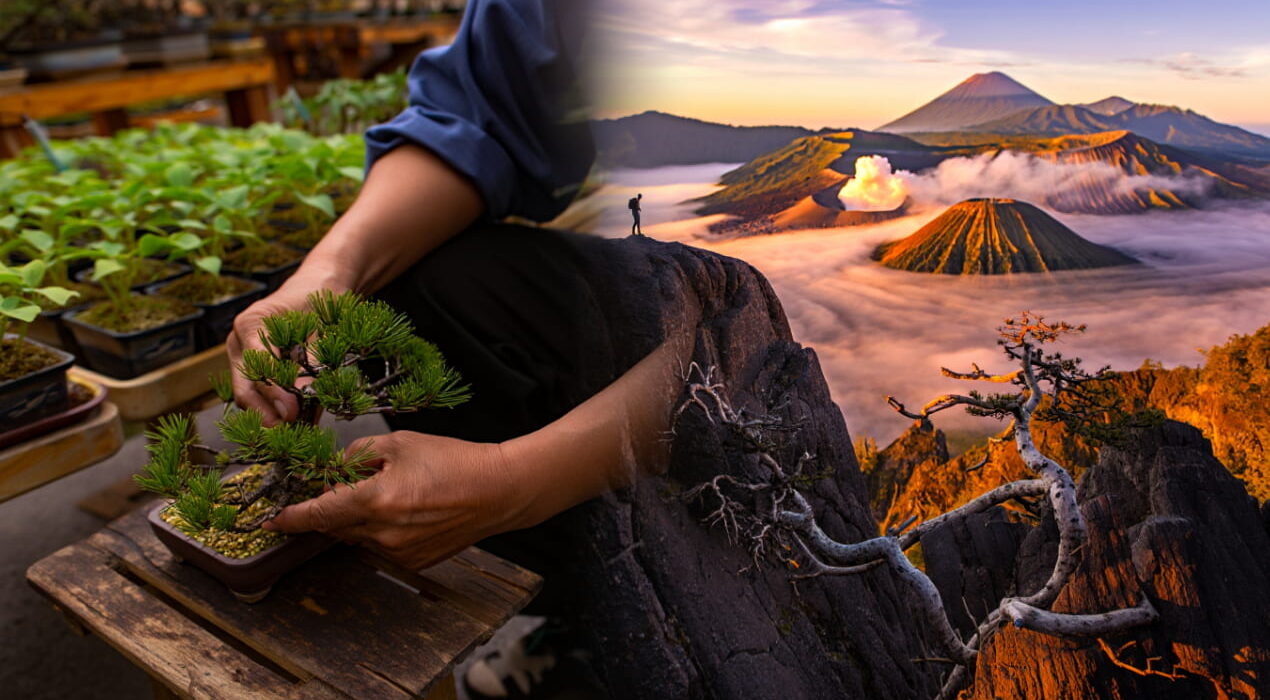
Hiking Fukushima’s Bonsai Trail: Where Volcanoes Shape Art
A unique trekking path in Japan offers a profound journey. This is the Bonsai Trail in Fukushima Prefecture. It reveals a powerful story of nature and art. The trail winds through Bandai-Asahi National Park. Hikers see active craters and ancient pine forests. They also visit traditional hot-spring villages. This landscape directly inspired a local art form. It also showcases deep community resilience.
A Nursery Rooted in Sustainable Philosophy
The trail story begins at Bonsai Abe nursery. This is a family-run business. Third-generation craftsman Daiki Abe explains a special philosophy. His grandfather pioneered a technique called *misshu*. This method grows miniature trees entirely from seed.
Therefore, creating a single bonsai spans multiple lifetimes. This requires immense patience and vision. The family draws inspiration from local white pine trees. These pines grow on high-altitude volcanoes. Harsh winds sculpt their twisted, dramatic shapes. Consequently, the bonsai art mimics this natural resilience.
Trekking the Dramatic Volcanic Terrain
Guided tours lead adventurers across the rugged landscape. Companies like Kammui organize these treks. The scenery changes dramatically every few kilometers. Hikers encounter sheer ledges and sulfur vents. They also see the iconic twisted pines.
One major destination is the Azuma-Kofuji crater. It is perfectly circular and 2,000 years old. The hike is physically challenging but highly rewarding. Afterward, unique “glamping” accommodations provide comfort. Travelers enjoy fine dining under the stars. This blends adventure with thoughtful relaxation.
A Legacy of Resilience and Renewal
The Bonsai Trail connects deeply to the region’s character. Local villages, like Dake Onsen, show incredible perseverance. Volcanoes have destroyed them multiple times. However, the community always rebuilds. This spirit defines the area.
Interestingly, volcanoes are not only destructive. They also enrich the land profoundly. Volcanic ash acts as a natural water filter. This process creates mineral-rich soil. As a result, the area produces famous sake and fruit.
The trail encourages visitors to slow down. It contrasts sharply with fast modern life. The journey teaches patience across generations. Ultimately, it shows how beauty grows from challenge. This is the lasting lesson of Fukushima’s mountains.