

AI Memory Demand Could Hurt PC Market in 2026
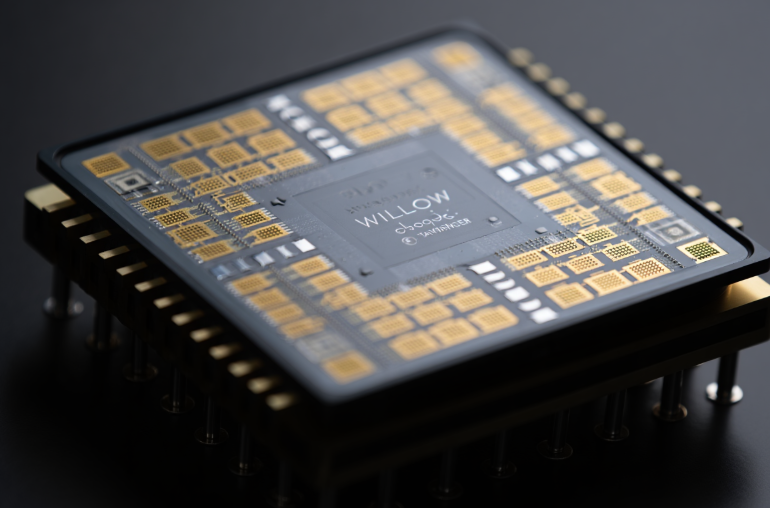
AI memory requirements are expected to heavily impact the PC market in 2026. High-bandwidth memory is increasingly prioritized for AI servers, leaving less available for personal computers. As a result, PC prices may rise, and shipments could fall. This trend affects both manufacturers and consumers, creating a more competitive and costly environment. Smaller PC makers and DIY builders are likely to feel the pressure most, while larger brands may absorb some of the costs. Consumers should expect pricier PCs and slower access to the newest models.
The growing need for AI-ready systems adds to the strain. These computers require larger RAM and storage to support advanced applications. Consequently, companies may delay upgrades or reduce production of consumer-focused devices. Replacement cycles could slow, and overall demand may weaken. In addition, the push for AI capabilities could limit the availability of high-performance laptops and desktops, forcing buyers to settle for smaller configurations or wait longer for shipments.
Impact on Consumers and Opportunities for Innovation
For users, higher memory costs directly translate into more expensive computers. Systems with larger memory capacities may see significant price hikes. However, this challenge also creates opportunities for innovation. PC makers can focus on efficient designs that maximize performance with less memory. New technologies could help balance AI needs with consumer demands, offering smarter and more cost-effective solutions.
Overall, the pressure from AI memory demand is likely to shape the PC market in 2026. Prices, product availability, and upgrade cycles may all be affected, while companies and consumers adapt to a changing digital landscape.




GlennAlums
January 3, 2026This article offers engaging and useful content that will appeal to a wide range of readers. We’ll provide ideas that will inspire you to make changes in your life and provide practical solutions to everyday issues. Read on and be inspired!
More details – https://vivod-iz-zapoya-2.ru/