Reading, Games & Other Creative Endeavors are Your Brain’s Best Anti-Aging Strategy
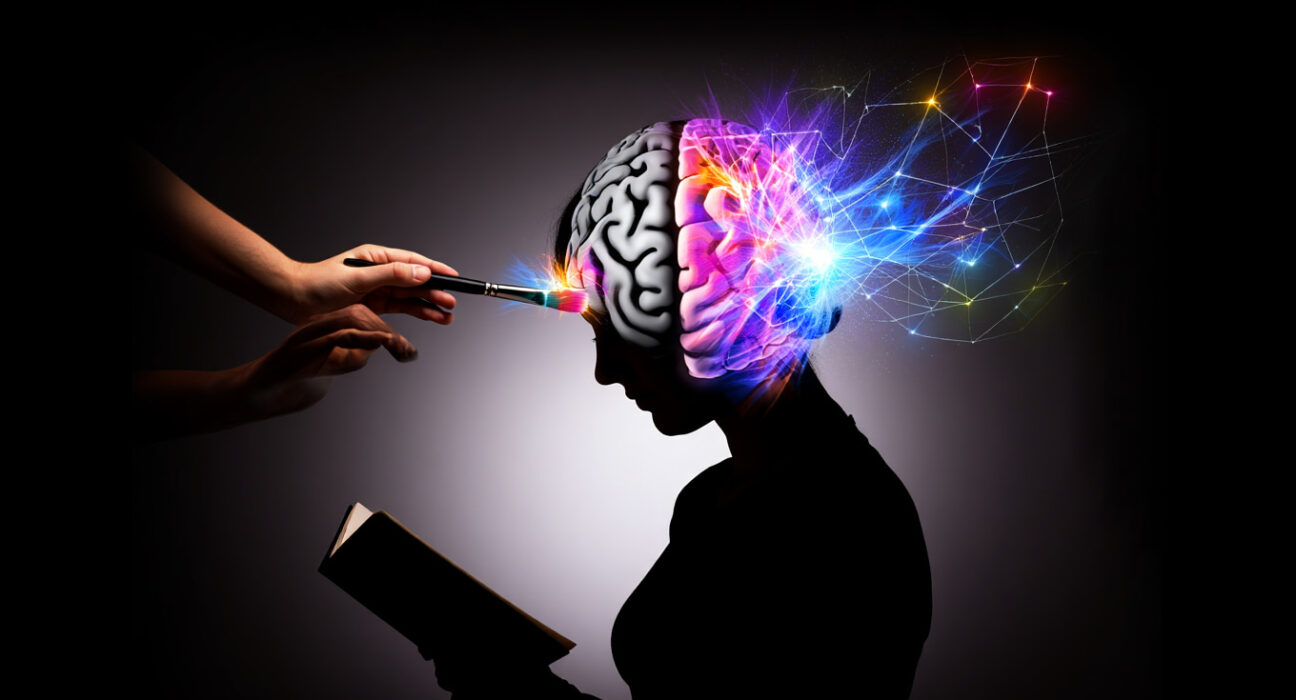
A new study provides compelling evidence that creative activities are more than just hobbies. They could be a key strategy for maintaining a youthful brain. Research shows that long-term engagement in creative pursuits is linked to a younger “brain age.”
The study analyzed data from over 1,400 participants across 13 countries. It included experts in tango dancing, music, visual arts, and action video games. Scientists used advanced computational models called “brain clocks” to estimate biological brain age from brain activity scans.
The results were significant. Experts in these creative fields had brain activity patterns that appeared, on average, 4 to 7 years younger than non-experts of the same age. This effect was seen in brain networks crucial for attention and complex decision-making. The research suggests building deep expertise offers the strongest protective benefit.
Short-Term Training Also Shows Positive Effects
The study’s findings are not limited to lifelong experts. A separate training experiment involved novice participants playing the complex strategy game StarCraft II for about 30 hours. After this short-term training, their estimated brain age shifted roughly 3 years in a “younger” direction. They also showed improved performance on attention tasks.
This indicates the adult brain remains highly “plastic” and responsive. Meaningful changes can occur with relatively short periods of intensive, engaging practice. It reinforces that you don’t need to be an expert to start gaining potential brain health benefits.
The Takeaway: Building a “Cognitive Reserve”
Neuropsychologists not involved in the study emphasize the importance of these findings. The research highlights that cultivating creative passions is a long-term investment in building “cognitive reserve.” This reserve helps the brain become more resilient against age-related decline.
The key advice from experts is to focus on activities that bring you genuine joy and curiosity. Sustainability is more important than skill level. Whether it’s dancing, drawing, playing an instrument, or strategic gaming, the act of engaging your brain creatively can be a powerful tool for supporting lifelong brain health.