Hidden Fire Crisis Fuels Bigger Wildfires Across the Western U.S.
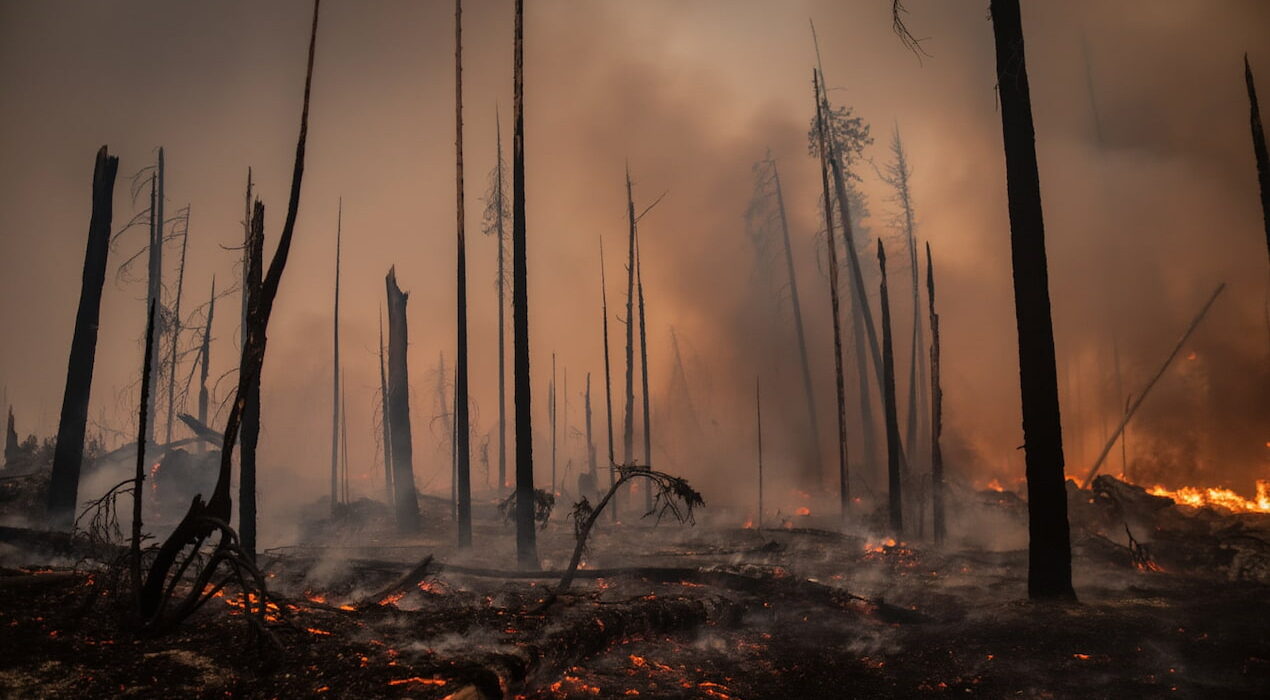
Wildfires shape forests in natural ways. However, decades of suppression changed that balance.As a result, many western U.S. forests now face greater danger.For over a century, agencies worked hard to stop fires. This strategy protected homes and roads. However, it also blocked natural burning cycles forests need.Fallen branches and dense trees kept building up. Therefore, today’s fires burn hotter and spread faster.
Millions of Acres Miss Natural FireNew research highlights a growing “fire deficit” across the West. Scientists found nearly 38 million hectares overdue for fire. This research will appear at the AGU 2025 Annual Meeting. Experts say warming and drying worsen the problem. In addition, old suppression policies still affect forests today. Together, these forces increase the risk of extreme wildfires. Researchers studied pollen records and soil samples. These clues reveal how often fires burned long ago. They then compared past patterns with modern fire data. The results were striking. About 74 percent of the western U.S. burns less than it should.
Closing the gap would require far more fire each year.
Restoring Balance With Smart Fire Use
Experts stress that solutions already exist. For example, prescribed burns safely reduce fuel. Mechanical thinning also helps remove excess vegetation. In some cases, managers can let low-risk fires burn naturally. As a result, ecosystems recover and grow stronger.
When Fire Burns Too Often
Not all regions lack fire. Parts of the Southwest face the opposite problem. Human-caused ignitions drive frequent fires in shrublands.These ecosystems may fail to regrow if fires repeat too fast. Climate change adds further pressure. Therefore, tailored strategies matter for every region.