From Farm to Gut: The Complicated Truth About Eating “Healthy” Today
Healthy eating is far more complex than just counting calories or avoiding fat. A new 2026 analysis reveals that modern diets expose us to interconnected risks. These include microbiological hazards, chemical contaminants, and the degree of food processing itself.
Recent food safety incidents, like a deadly E. coli outbreak in France in 2025, underscore the ever-present threat of contamination. However, chronic diseases linked to poor diet, such as heart disease and cancer, pose a far greater and more widespread public health challenge.
Ultra processed Foods: A Recognized Independent Risk Factor
The degree of food processing has emerged as a critical concern. Ultra processed foods, defined by industrial formulations with additives, are now linked by major studies to increased risk of cancer, cardiovascular disease, and diabetes. France’s large NutriNet-Santé cohort study has provided strong evidence for these connections.
Researchers argue that ultraprocessed foods require coordinated public health action. Proposed interventions include front-of-pack labelling by processing degree and restricting marketing to children. They stress the need for international responses to counter the global influence of the food industry.
Navigating Contaminants and Your Gut Microbiome
Modern diets also involve exposure to chemical contaminants. These range from pesticide residues on crops to persistent pollutants like PFAS that accumulate in the food chain. Public health advisories recommend moderating intake of certain animal products to limit exposure.
Furthermore, common food additives like the emulsifier carboxymethylcellulose can disrupt the gut microbiome. This disruption is linked to inflammation and metabolic issues. New research suggests that individual sensitivity can be predicted through microbiota analysis, paving the way for personalized nutrition advice.
Practical Tools for Healthier Choices in 2026
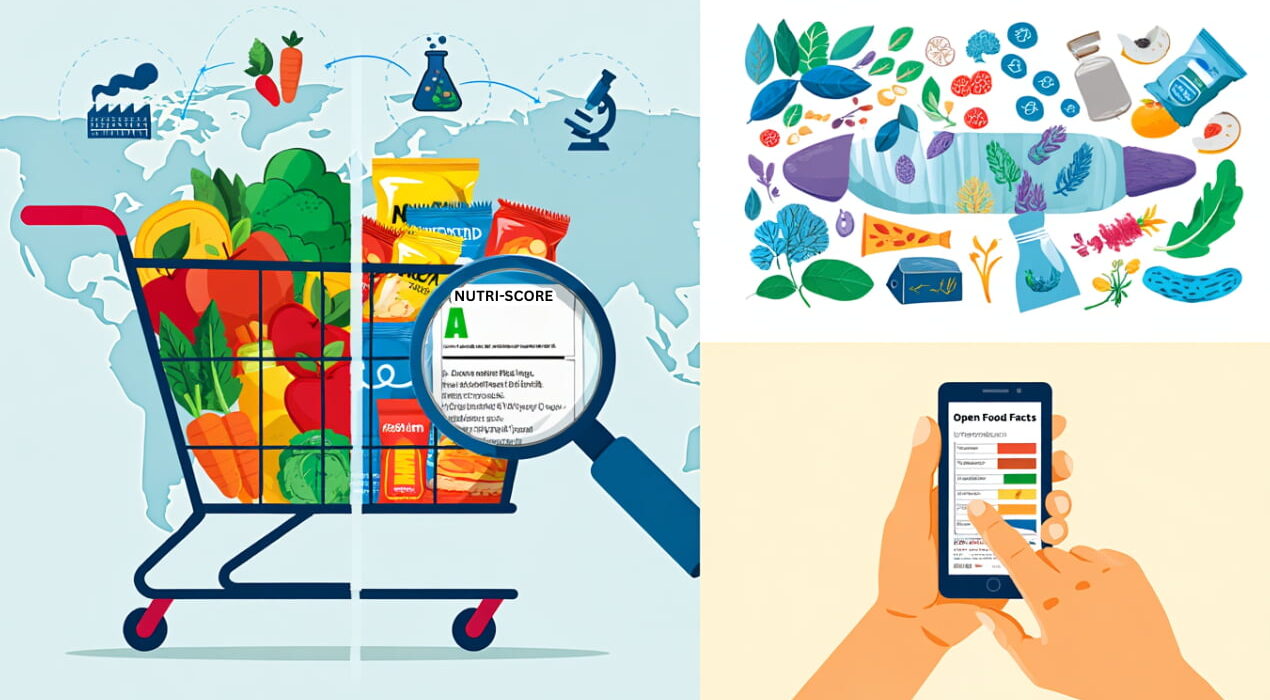
Despite the complexity, practical tools are available. In Europe, the updated Nutri-Score front-of-pack label helps guide consumers toward better nutritional choices. Free apps like Open Food Facts provide detailed information on ingredients and additives.
The core advice remains to prioritise fresh or minimally processed foods. A varied, fibre-rich diet of fruits, vegetables, and legumes is consistently linked to better health. This approach not only improves nutritional balance but also promotes a healthy and diverse gut microbiome.