Pakistan Secures Landmark Deal with Roche for Free Cancer Medicines
In a transformative move for public health, Pakistan’s Ministry of National Health Services has signed a landmark five-year agreement with Roche Pakistan. The partnership will provide free, life-saving cancer medicines to thousands of eligible patients in federally administered areas, dramatically reducing the catastrophic cost of treatment.
A formal ceremony at the Ministry was attended by Federal Health Minister Syed Mustafa Kamal and senior officials. The initiative directly addresses the severe affordability gap in oncology care, with Minister Kamal describing it as a “landmark step” and a model for future public-private collaboration.
A Public-Private Model to Bear the Cost Burden
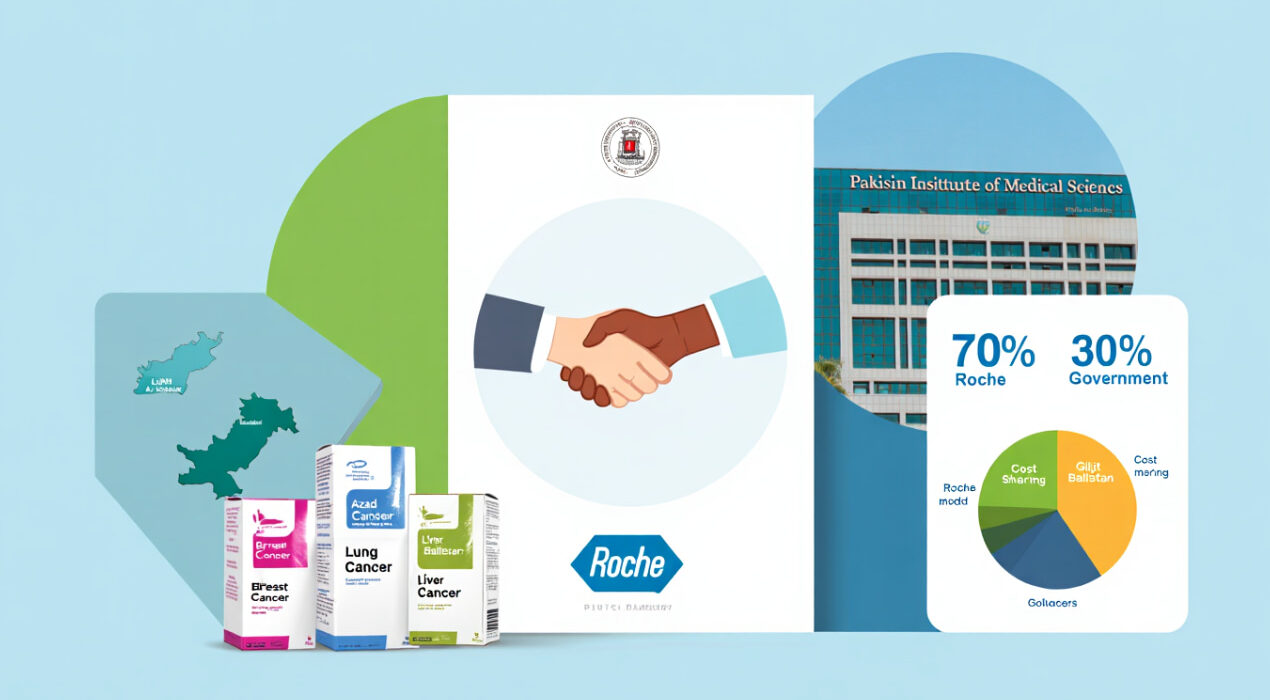
The financial framework of the agreement offers substantial relief. The total cost of medicine for a single patient can reach PKR 9.8 million. Under this pact, Roche Pakistan will cover 70% (PKR 9 million), while the Government of Pakistan contributes 30% (PKR 1 million), making the full course free for the patient.
“This partnership reflects a strong model of public-private collaboration, which the government intends to replicate,” stated Minister Kamal. He emphasized that the government’s priority is to provide quality healthcare, and this agreement marks a crucial first phase in rebuilding trust for such partnerships.
Focused Rollout for Breast, Lung, and Liver Cancers
The program will initially provide medicines for three major cancers: breast cancer, lung cancer, and liver cancer. The pilot will launch at the Pakistan Institute of Medical Sciences (PIMS) in Islamabad.
Eligible patients seeking treatment at PIMS from Islamabad, Azad Jammu & Kashmir, and Gilgit-Baltistan will be the direct beneficiaries. The success of this initial phase will determine its expansion to other regions, aiming to strengthen the national health system comprehensively.
The Ministry reaffirmed its commitment to expanding access to life-saving treatments and ensuring equitable healthcare, particularly for citizens from underserved regions.