Pakistan’s Mobile Networks Improve as Fiberization Accelerates Nationwide
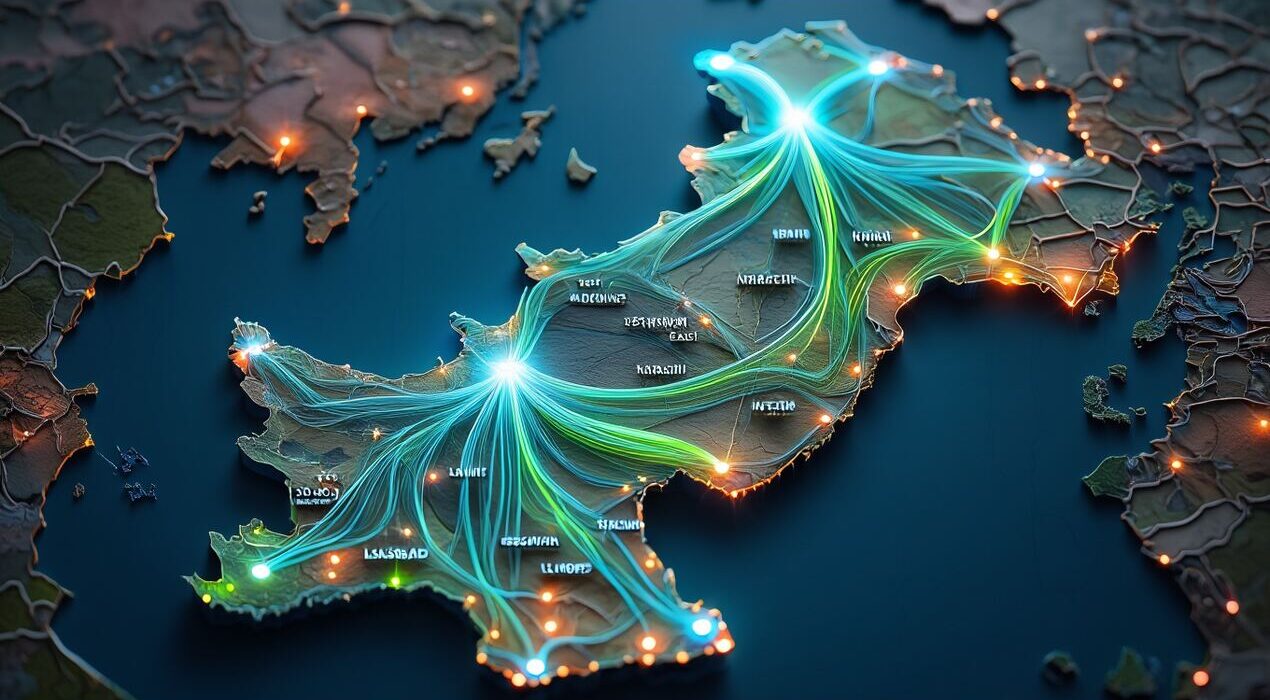
Pakistan’s mobile networks are seeing noticeable improvements as mobile network fiberization continues to rise. Telecom operators are expanding fiber connections to mobile towers across the country. As a result, network speed, stability, and capacity are improving for users.
Fiberization refers to linking cellular towers with high-capacity fiber optic cables. Unlike older microwave links, fiber carries far more data with lower delay. Therefore, mobile networks can handle higher traffic and growing data demand more efficiently.
This upgrade comes at a critical time. Mobile data usage in Pakistan continues to increase rapidly. In addition, more users rely on streaming, online work, and digital services every day. Stronger backhaul infrastructure is now essential.
Fiberization Matters for the Future
Higher mobile network fiberization directly improves user experience. Calls become clearer, data speeds increase, and congestion drops during peak hours. As a result, customers see more consistent performance across cities and growing urban areas.
Fiber also prepares networks for future technologies. For example, advanced 4G features and upcoming 5G services require dense fiber support. Without it, next-generation mobile networks cannot perform at full potential.
Industry experts say fiber rollout also improves operational efficiency. Networks become easier to scale and maintain. In addition, energy use often drops compared to legacy systems, supporting sustainability goals.
The expansion supports Pakistan’s broader digital ambitions. Strong mobile infrastructure enables fintech, e-commerce, telehealth, and online education. Therefore, fiberization plays a key role in economic growth and digital inclusion.
Overall, the rise in mobile network fiberization marks a positive shift. Pakistan’s mobile networks are becoming faster, more reliable, and future-ready. This progress lays the foundation for better connectivity nationwide.