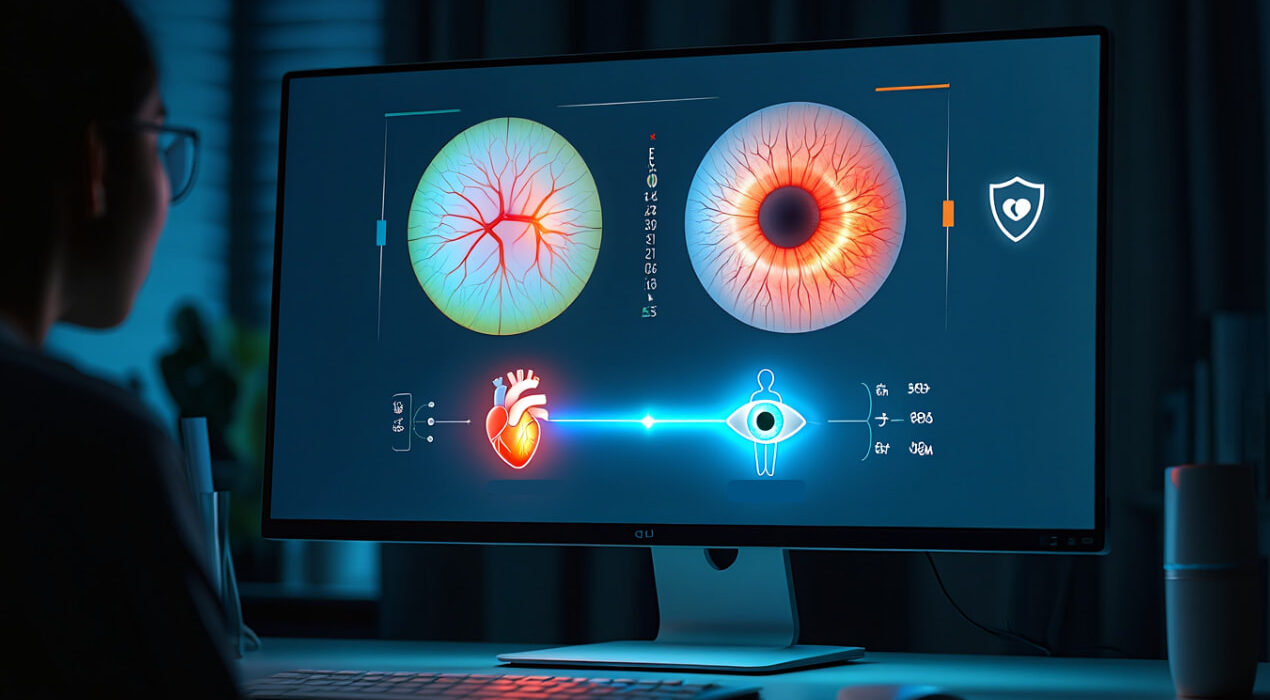
Heart Health Score Predicts Future Eye Disease, Major Study Finds
A groundbreaking new study reveals a powerful and practical link between cardiovascular and eye health. Researchers have found that a standard heart disease risk score, already used by doctors worldwide, can effectively predict a person’s future risk of developing serious eye diseases. This discovery could revolutionize how eye care is managed, shifting focus from reactive treatment to proactive, early prevention.
The research, published in the journal Ophthalmology, analyzed health data from over 35,900 adults in the All of Us Research Program. Scientists tracked individuals who started with no major heart or eye problems. They found that people with higher scores on the Pooled Cohort Equations (PCE)—a common tool to estimate heart attack or stroke risk—were significantly more likely to later develop several major eye conditions.
A Direct Link Between Vascular Health and Vision
The connection makes clear biological sense. The delicate tissues of the retina at the back of the eye are rich with tiny blood vessels. These vessels are highly sensitive to the same damage that causes cardiovascular disease, such as inflammation, high blood pressure, and plaque buildup. When this microvascular system is compromised, it can lead to vision-threatening diseases.
The study showed that a high PCE risk score was strongly linked to an increased incidence of age-related macular degeneration (AMD), diabetic retinopathy, and hypertensive retinopathy. It also showed a moderate predictive value for glaucoma and retinal vein occlusion. This means a single, commonly calculated number can flag risk for multiple ocular diseases.
Transforming Preventive Eye Care in Primary Practice
The most immediate implication is for clinical practice. Since the PCE score is already a standard part of many routine physicals and primary care check-ups, doctors have a ready-made tool to identify patients who may need extra eye care attention.
“This approach offers a practical pathway to shift eye care from reactive treatment toward proactive prevention,” the study authors noted. Individuals flagged as having intermediate or high cardiovascular risk could be prioritized for earlier and more frequent comprehensive eye exams. This allows for earlier detection and intervention, which is crucial for preserving sight.
In essence, your annual check-up with your primary care doctor now holds a key not just to your heart’s future, but to the health of your eyes as well.