Nigeria and U.S. Sign $5 Billion Health Partnership in New Aid Model
Nigeria and the United States have signed a landmark five-year health partnership. The agreement aims to strengthen Nigeria’s healthcare system following major cuts to traditional U.S. foreign aid. The new deal represents a significant shift toward a co-financing model with direct government cooperation.
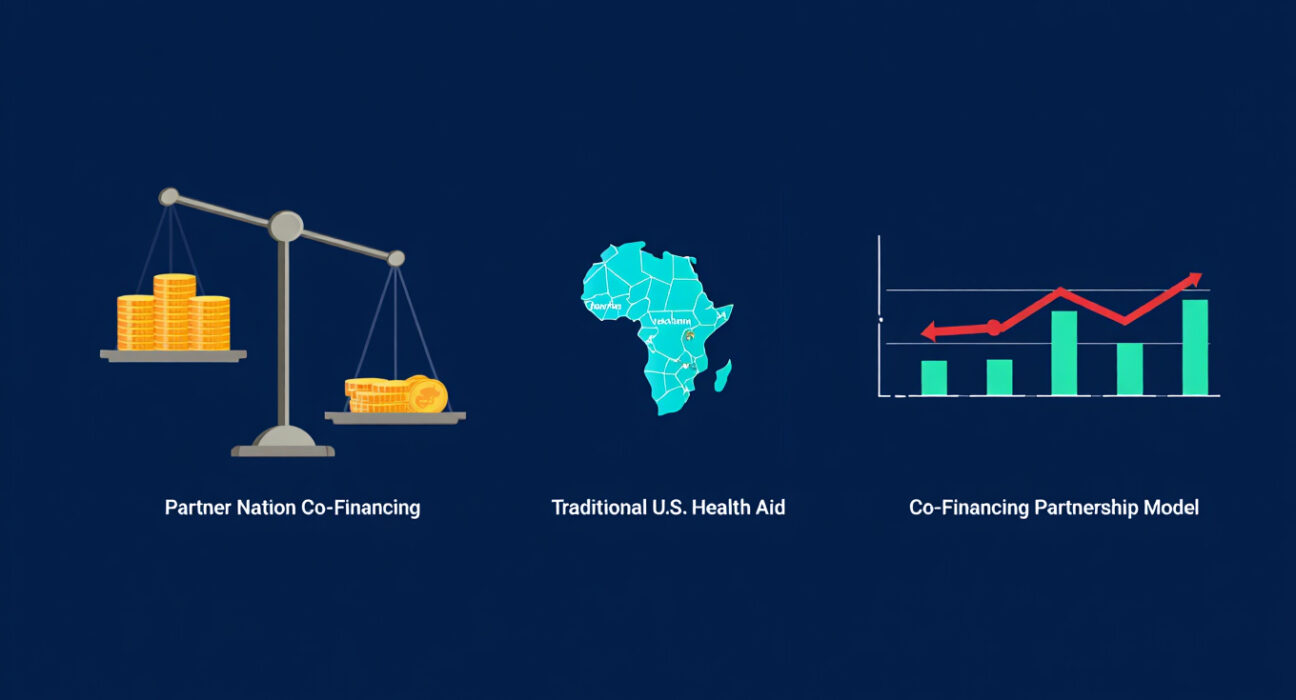
Under the memorandum of understanding (MOU), Nigeria is expected to raise $2.9 billion to support priority health services. The United States will contribute $2 billion, bringing the total planned investment to $4.9 billion. This model comes after the dismantling of the U.S. Agency for International Development (USAID), which previously backed health programs.
A Response to Funding Cuts and a New Model for Aid
Nigeria is among at least nine African nations signing similar agreements after USAID funding cuts. Other countries include Rwanda, Uganda, and Eswatini. Analysts note the new model combines reduced U.S. funding with high co-financing expectations from partner nations.
According to the Center for Global Development, annual U.S. health support under these new deals has fallen by about 49% compared to 2024 levels. The agreements mark a move away from agency-led projects toward direct government-to-government assistance, aiming for more sustainable impact.
Focus on System Resilience and Faith-Based Providers
At the signing ceremony, Nigerian Health Minister Prof. Muhammad Ali Pate called the MOU a key step in deepening cooperation. He stated the months-long negotiation was aimed at improving “health security and system resilience.”
U.S. Ambassador to Nigeria Richard Mills Jr. said the pact reflects the long-standing health partnership between the two nations. A notable aspect of the deal includes strong support for Christian faith-based healthcare providers, despite Nigeria having a slightly majority Muslim population. The goal is to ensure investments from both sides deliver lasting results.