Deforestation Pushes Mosquitoes to Target Humans, Increasing Disease Risk
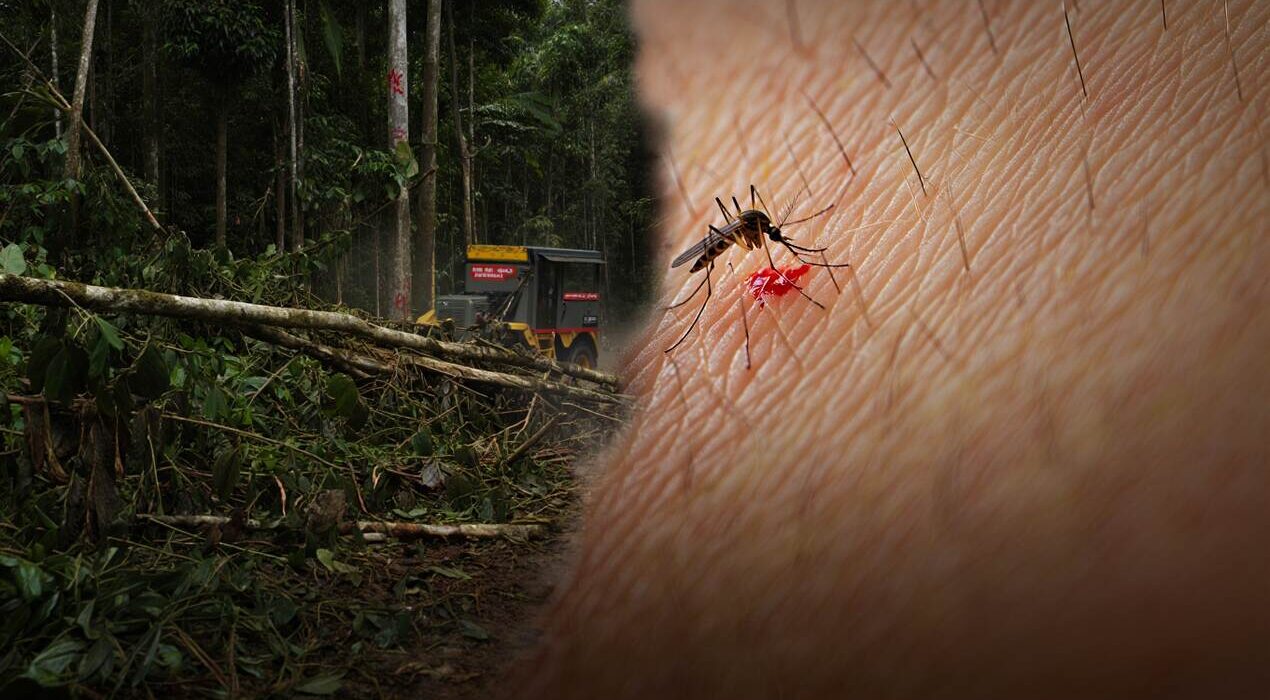
Mosquitoes are changing their diet. New research shows a dangerous shift. They now prefer human blood over animal blood in deforested areas. This change raises our risk of disease.
The Disappearing Forest
The Atlantic Forest in Brazil is shrinking. Human development has reduced it by two-thirds. This loss pushes wildlife out. Consequently, mosquitoes lose their natural animal hosts. They must find new food sources. As a result, they are turning to us.Scientists published these findings in Frontiers in Ecology and Evolution. They studied mosquitoes in forest reserves. Their goal was to identify what the insects were biting.
Tracking the Mosquito’s Meal
How did researchers track this behavior? They used light traps to catch mosquitoes. Next, they analyzed blood from recently fed females. Scientists extracted DNA from each blood meal.They used a genetic “barcode” to identify the host. This method revealed a clear pattern. Humans were the most common blood source.
Human Blood is Now the Top Choice
The results were striking. Researchers identified 24 blood meals. Of those, 18 came from humans. The rest came from birds, amphibians, and other animals.Some mosquitoes even had mixed meals. For example, one fed on both a frog and a person. This shows their adaptability. Host availability is a key factor. Mosquitoes bite what is closest.This behavior change is a major health concern. Mosquitoes in this region carry dangerous viruses. These include dengue, Zika, and Yellow Fever. More bites on people mean more transmission.”Deforestation forces mosquitoes to seek new hosts,” explained one researcher. “We become the most convenient target.” Therefore, forest-edge communities face greater outbreak risks.
How We Can Use This Information
These findings help our prevention efforts. Knowing mosquito preferences allows for targeted action. Health officials can improve surveillance and control.In addition, the study highlights a need for more research. Larger studies will help us understand mixed feeding patterns. Protecting ecosystems remains crucial for long-term balance.Deforestation does more than harm wildlife. It directly impacts human health by altering mosquito behavior. When forests fall, mosquitoes bite us more. This simple change can accelerate the spread of serious diseases.