Southeast Asia Shifts to Quality Tourism Ahead of 2026 ASEAN Forum
Southeast Asia’s travel industry is undergoing a major transformation. As the 2026 ASEAN Tourism Forum (ATF) nears in Cebu, Philippines, the region is pivoting decisively towards quality tourism. This strategic shift moves beyond the backpacker-centric model to emphasize sustainability, deep cultural immersion, and authentic experiences.
Global travelers are returning to the region, but their motivations have changed. They now seek meaningful journeys that offer a true understanding of local people and traditions. This evolution aligns with the ASEAN Strategic Tourism Plan 2016-2025, which envisioned the region as a unique, responsible, and sustainable destination by 2025.
The Three Pillars of “Quality Tourism”
Industry leaders like Expedia’s Mohammad Matin Mohdari clarify that quality tourism is more than luxury. In Southeast Asia, it is built on three core dimensions:
1. Economic Growth & Equity: Using tourism as a driver for resilient, equitable development that benefits communities.
2. Productivity & Job Creation: Enhancing the sector to create higher-value, dignified jobs for local workers.
3. Sustainable Development: Supporting environmental preservation, cultural heritage, and responsible travel.
Showcasing the New Model: From Laos to Indonesia
This philosophy is coming to life in pioneering destinations across the region. In Laos, the vast Nam Et-Phou Louey National Park serves as an immersive classroom. It protects endangered wildlife while directly supporting the livelihoods of eight ethnic groups, transforming the park into a model of conservation and community-based tourism.
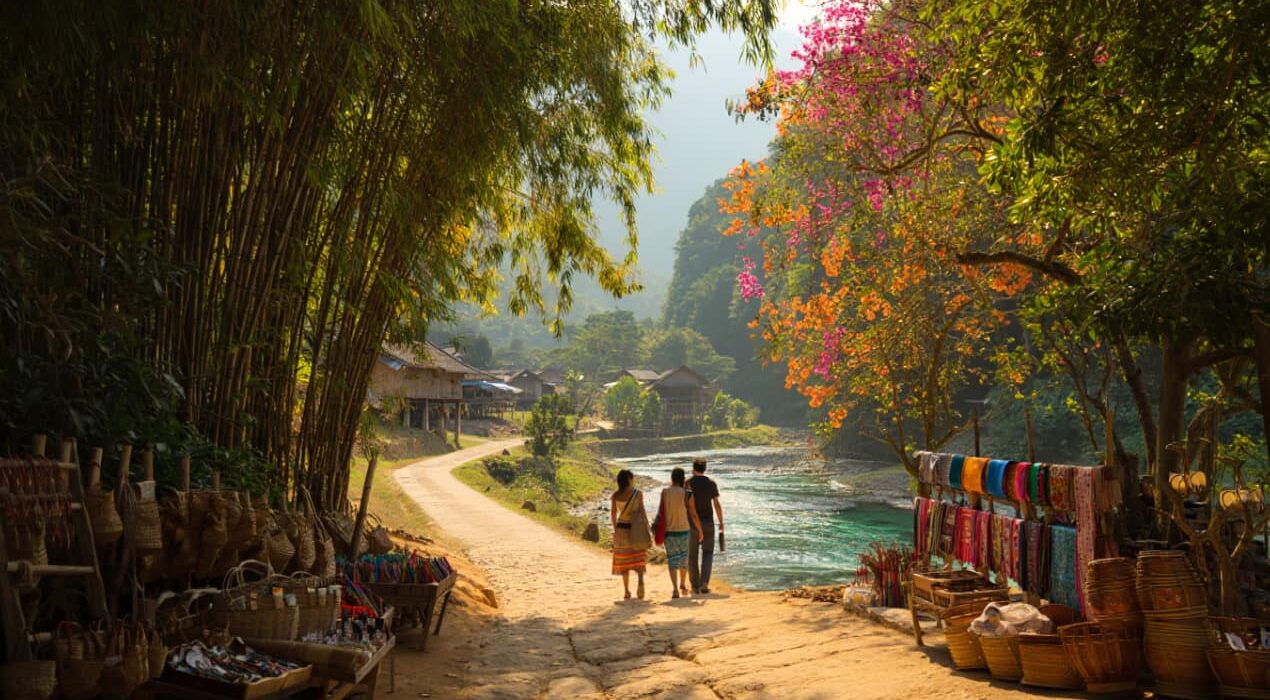
Indonesia’s national Desa Wisata (Tourism Villages) program exemplifies community empowerment. Villages like Penglipuran in Bali and Pentingsari in Yogyakarta invite travelers to experience authentic local life. This initiative preserves traditions, sustains cottage industries, and distributes tourism’s benefits directly within communities.
The Path Forward: Sustainable Management and Collaboration
Maintaining this lead requires innovative strategies. Sustainable destination management is critical, as seen in Singapore’s integrated approach to urban planning and tourism. This ensures cities and natural sites alike can welcome visitors without compromising residents’ quality of life or environmental health.
The future also hinges on strong public-private partnerships. Collaboration between governments, tourism boards, airlines, and tech companies is essential to design and implement strategies that elevate the visitor experience while safeguarding the region’s cultural and natural treasures.