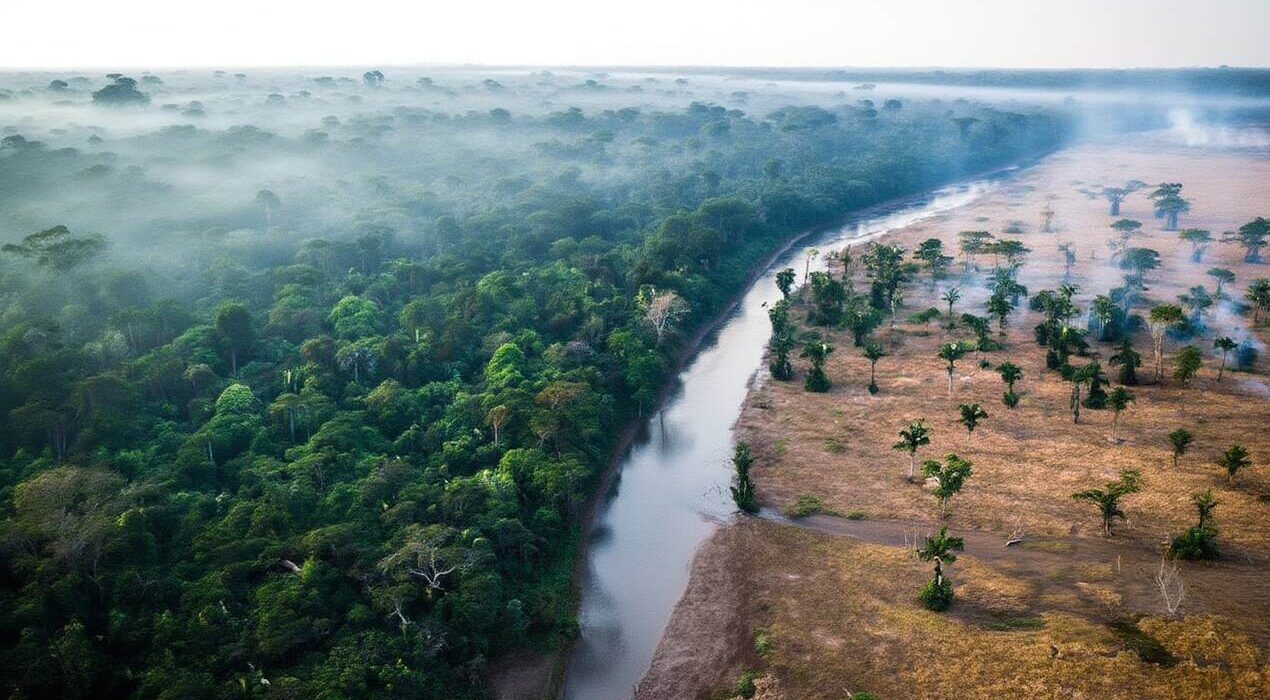
Climate Change Reshapes Amazon: 40 Years of Data Reveals Forests in Flux
A new study reveals a hidden shift in Amazon and Andes forests. After examining 40 years of tree records, scientists see climate change altering these vital ecosystems. However, the change is not the same everywhere.
Overall Balance Masks Local Struggles
On a continental scale, total tree species numbers seem steady. This overall stability is deceptive. In reality, major regional differences exist just beneath the surface.Some forest areas are steadily losing species. Others are actually gaining them. Therefore, climate change impacts are highly uneven across the tropics.
The research identified clear patterns. Forests facing hotter, drier conditions are most vulnerable. For example, areas with strong seasonal shifts lost more tree species.Significant declines occurred in the Central Andes and parts of the Eastern Amazon. In contrast, the Northern Andes and Western Amazon saw species gains in most monitored plots.Temperature increases play a big role. However, rainfall patterns are equally important. Shifts in water availability critically shape these regional trends.
A Potential Refuge in the NorthOne key finding offers hope. The Northern Andes emerged as a potential climate refuge. This region may shelter species displaced from worsening environments elsewhere.Plants cope with climate change by moving or adapting. If they cannot, local extinction risks rise. This study used rare, long-term data from over 400 plots across ten countries.Lead author Dr. Belén Fadrique states the work shows “profound changes in forest composition.” Consequently, these findings highlight the need for targeted conservation.
The Dual Threat of DeforestationResearchers stress an added danger. Deforestation combined with climate change is a major threat. Protecting intact forests, especially where the Amazon meets the Andes, is now more crucial than ever.In addition, future studies will examine which specific species are disappearing. The international team aims to understand if forests are becoming more similar overall.