Fireplace Smoke Is a Hidden Winter Health Hazard, Study Reveals
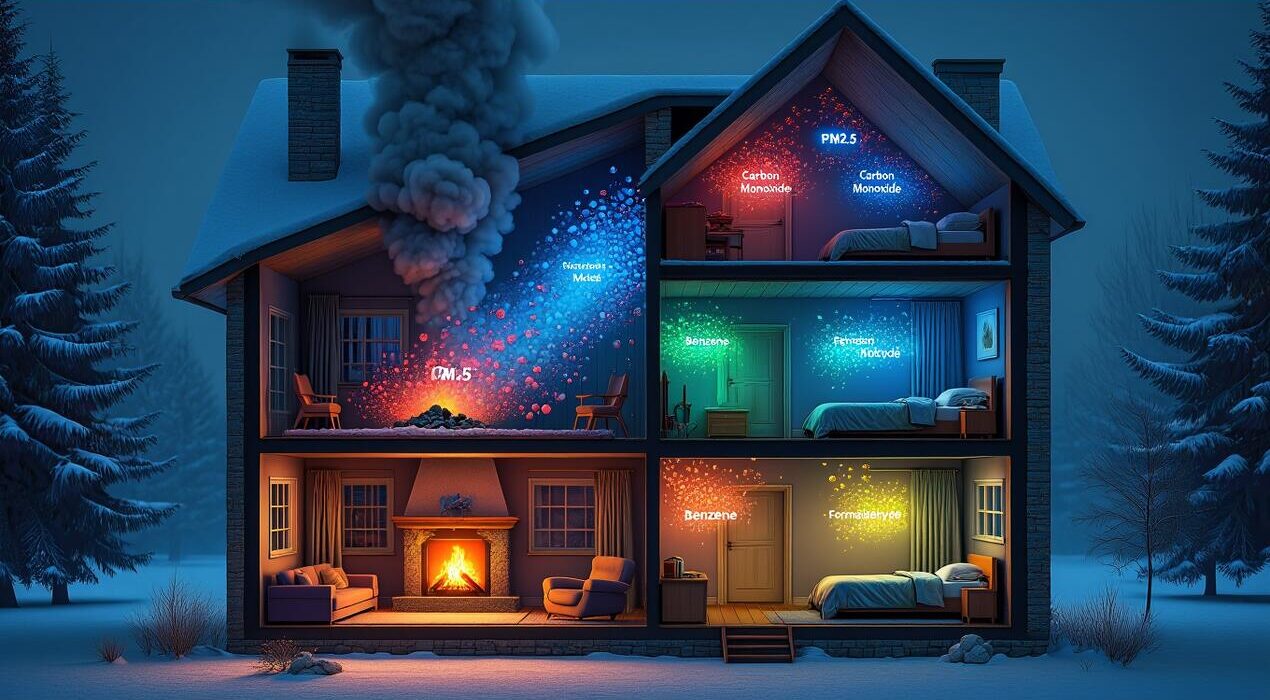
That cozy winter fire might seem harmless. However, new research reveals a serious health risk. Burning wood at home is a major source of winter air pollution. This pollution affects millions of people across the country.
A Major Source of Winter Pollution
Only about 2% of U.S. households use wood as a primary heat source. Despite this, residential wood burning creates over one-fifth of winter fine particle pollution. These tiny particles are called PM2.5.They are small enough to enter your lungs and bloodstream. Long-term exposure is dangerous. It is linked to heart disease, lung problems, and early death. Researchers estimate this pollution causes about 8,600 premature deaths yearly.
Urban Communities Face Higher Risks
The study found an unexpected pattern. City residents often face greater harm than those in rural areas. Pollution from suburban wood burning frequently drifts into urban centers.As a result, people of color experience disproportionate impacts. They often have higher exposure and health risks, even while burning less wood. Historical policies and higher baseline mortality rates contribute to this disparity.
Wildfire smoke gets significant public attention. In contrast, pollution from home heating often goes unnoticed. “We do not often consider the consequences of burning wood for heat in our homes,” said senior author Daniel Horton.Reducing residential wood burning could therefore improve air quality dramatically. Switching to cleaner heating appliances would make a big difference.
Mapping the Pollution Problem
Researchers used a detailed atmospheric model. They mapped pollution across the continental U.S. in a fine grid. This method showed how wood smoke moves and accumulates.The analysis confirmed wood burning as a top winter pollution source. It accounts for roughly 22% of wintertime PM2.5. This makes it a significant public health concern.The findings highlight an urgent need for change. Reducing wood burning can save thousands of lives. It also promotes cleaner air for everyone, especially vulnerable communities.Consider using an alternative heat source this winter. Your choice can protect your health and your neighbors’ well-being.