Cutting Salt in Bread and Packaged Foods Prevents Heart Disease
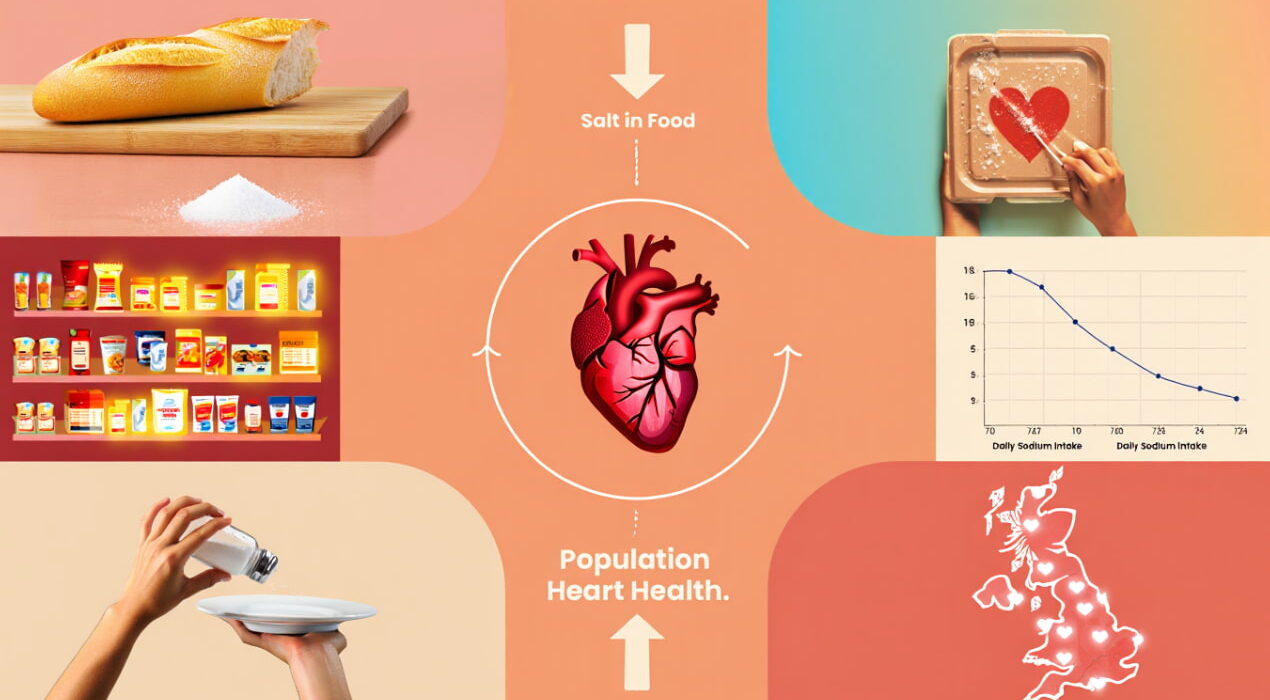
Cutting salt in everyday foods could save thousands of lives. Two new studies show clear heart health benefits. This approach works without requiring people to change their eating habits.
The research looked at salt reduction targets in France and the United Kingdom. Both studies modeled the impact of lowering sodium in common foods. The results, published in Hypertension journals are significant.
France: A Focus on the Humble Baguette
France targeted salt in its iconic bread. A voluntary agreement aimed to lower sodium in baguettes by 2025. Researchers modeled the impact of full compliance.
The findings were striking. Reducing salt in bread could cut daily intake by 0.35 grams per person. Consequently, this would lower national deaths by more than 1,000 annually.
“The French population didn’t notice bread contained less salt,” said Dr. Clémence Grave, the study’s lead author. This shows small, invisible changes can greatly improve public health.
United Kingdom: A Broader Package of Targets
The U.K. study had wider goals. It examined 2024 targets for packaged foods and takeout meals. This included items like burgers, pizza, and snacks.
Meeting these targets could reduce average daily salt intake by 17.5%. Over 20 years, this could prevent about 103,000 heart disease cases and 25,000 strokes.
It would also save the healthcare system roughly £1 billion. “This approach is powerful,” researchers noted. “It creates a healthier food environment by default.”
A Global Strategy for Public Health
Both studies reinforce a key strategy. Improving health requires collaboration between policymakers and the food industry. National efforts to limit salt in commercial foods are effective.
“Though sodium reduction makes small improvements in blood pressure for one person, these small changes result in major improvements for a large population,” explained Dr. Daniel W. Jones, an expert not involved in the studies.
The message is clear for any country. Reducing hidden salt in everyday foods is a simple, powerful tool. It can prevent disease, save lives, and reduce healthcare costs for everyone.