New “Exercise Pill” Hope: Scientists Find Bone Strength Switch
Scientists have found a key biological switch. This switch explains why exercise strengthens our bones. The discovery could help people who cannot stay active.Researchers from the University of Hong Kong made this find. They identified a specific protein. This protein acts like an internal exercise sensor for your bones.
How Our Bones Normally Stay Strong
Bone marrow contains special stem cells. These cells can become either bone or fat. Movement pushes them to build bone.However, aging changes this balance. Over time, more cells become fat instead of bone. This fat weakens our skeletal structure. As a result, bones become fragile and prone to fractures.
The “Exercise Sensor” Protein
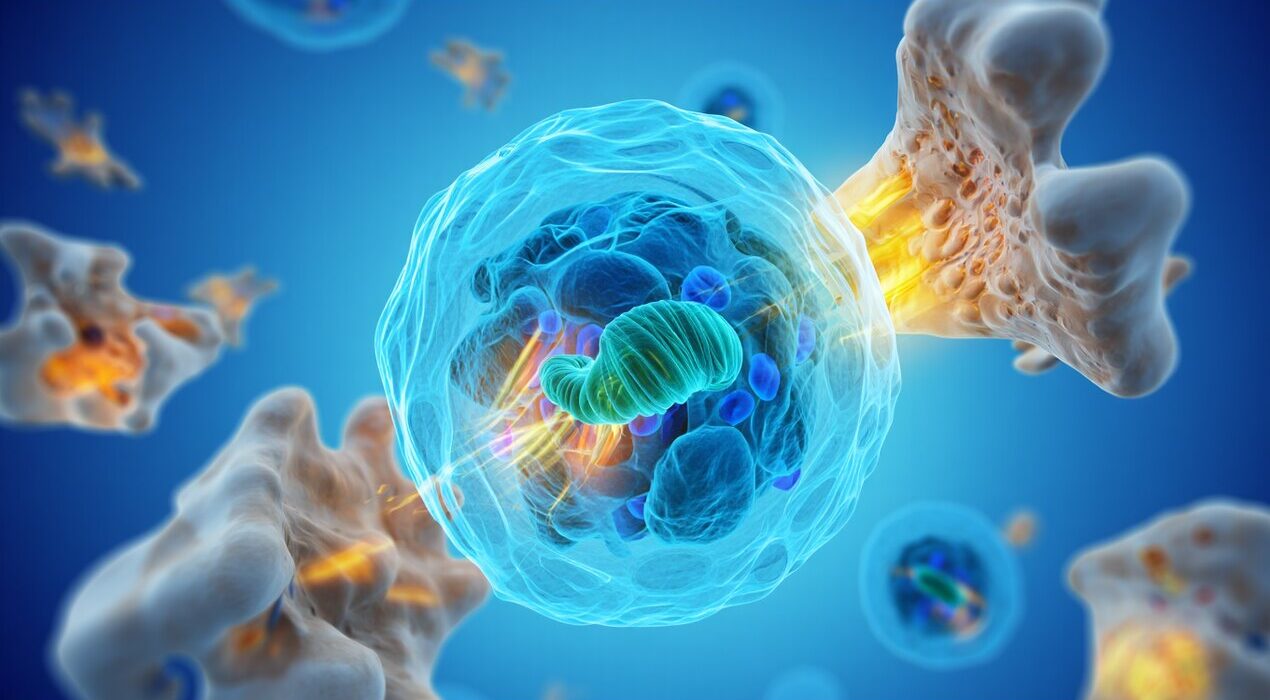
The key protein is named Piezo1. It sits on the surface of bone stem cells. Piezo1 senses physical forces from movement.When you exercise, Piezo1 activates. It tells stem cells to create bone and limits fat. Without it, fat builds up and bones weaken.
Creating Exercise in a Pill
This discovery is groundbreaking. It provides a clear drug target. Scientists aim to create “exercise mimetics.”These drugs would activate the Piezo1 pathway. Therefore, they could trick the body into thinking it worked out. This approach could help many people.For example, it could aid older adults or bedridden patients. It may also help those with chronic illnesses. Essentially, they could gain exercise benefits without moving.The research team plans to develop new therapies. Their goal is to fight osteoporosis and age-related bone loss.This offers hope beyond traditional physical therapy. Ultimately, it could improve quality of life for millions worldwide.