Spider’s ‘Pearl Necklace’ Reveals New Parasitic Mite Species in Brazil
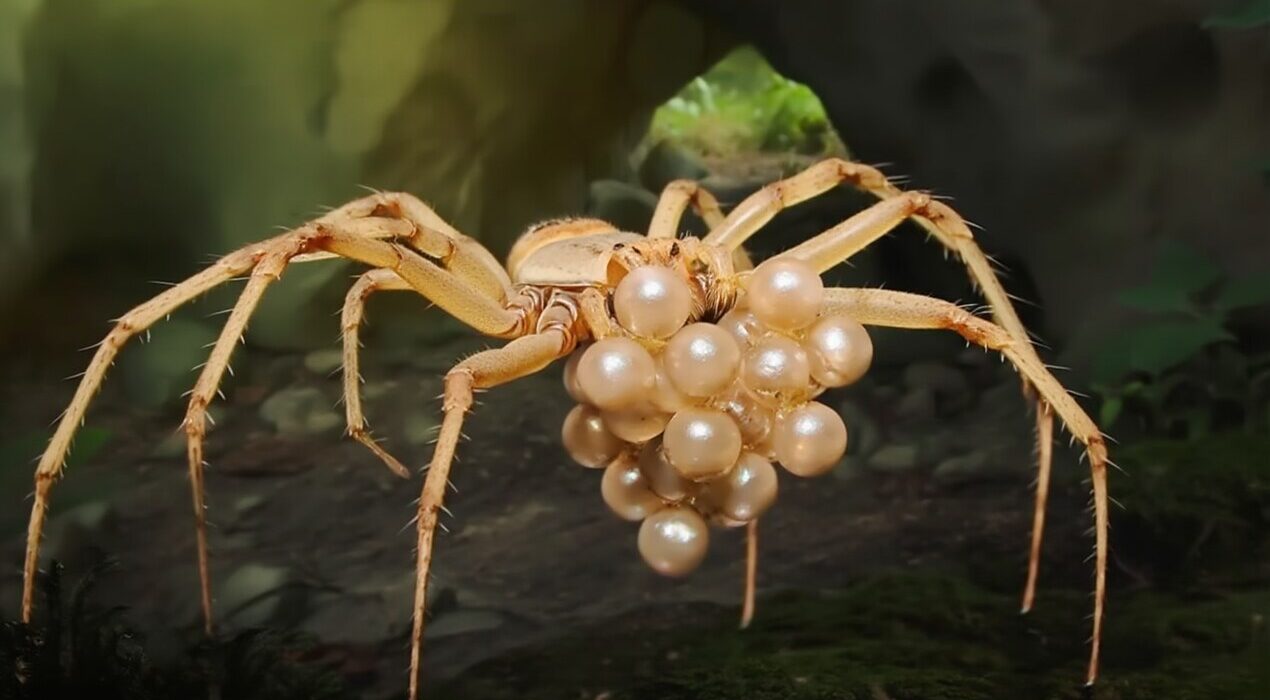
A tiny spider wore a surprising accessory. It looked like a delicate pearl necklace. However, those “pearls” were alive. They were parasitic mite larvae, leading to a brand-new discovery.
A Careful Look in the Lab
Researchers in São Paulo, Brazil, made this find. They were examining stored spider specimens. The unusual string of beads puzzled them. Therefore, they called a mite specialist for help. Expert Ricardo Bassini-Silva knew what he saw. These were mite larvae parasitizing the spider. This case was very rare for Brazil. In fact, it is only the second of its kind ever recorded there.
Identifying a New Species
The team then conducted a detailed analysis. They used microscopy and scanning techniques. As a result, they confirmed a new mite species. They named it Araneothrombium brasiliensis. This finding is significant. It is the first record of this mite family in Brazil. The discovery suggests these mites are more widespread than scientists thought.
How the Parasites Feed
These mites have a specific feeding strategy. They attach to juvenile spiders. Then, they feed on the spider’s bodily lymph fluid. They target a spider’s weak spot: the pedicel. This area connects the spider’s body segments. Its thinner surface is easier for the mites to penetrate. This discovery has a crucial lesson. The spider specimens were stored for years. The mites went unnoticed until a careful review. This shows museum collections are vital. They hold hidden biodiversity waiting for study. Bassini-Silva believes many more unknown species exist in these archives. Brazil has over 3,000 spider species. Consequently, the potential for new parasite discoveries is huge. This research helps map the complex web of life. In summary, a curious “necklace” led to a scientific breakthrough. It reminds us that important discoveries often come from taking a second look.