Tourism: Strategic Engine for Economic Growth in the Middle East and North Africa
Tourism in the Middle East and North Africa is more than a leisure industry. Analysts argue it should be viewed as a sector of critical strategic importance. It is a dynamic engine for economic growth, diversification, and enhanced global influence.
The region has seen a marked increase in international arrivals in recent years. This resurgence stems from massive investments in new infrastructure and cultural experiences. Consequently, tourism is now central to national agendas for economic transformation.
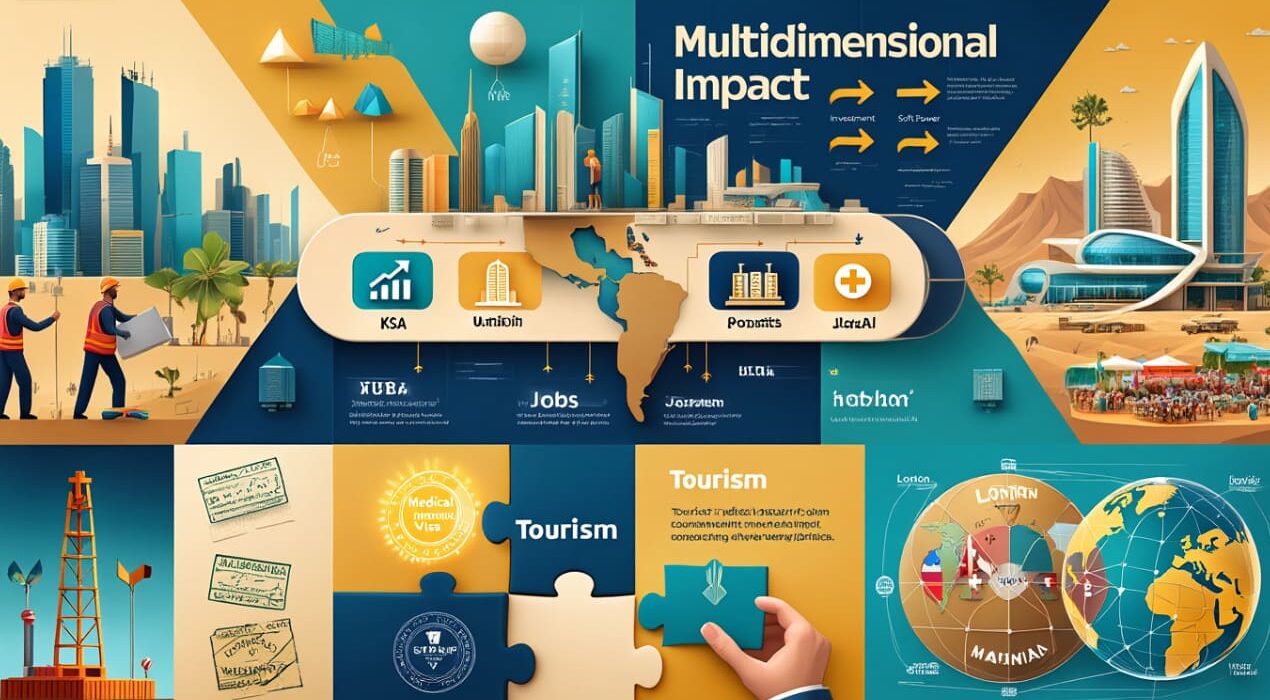
A Multidimensional Economic Impact
The benefits of a thriving tourism sector are vast. It directly boosts gross domestic product and creates employment across various skill levels. For instance, Saudi Arabia has surpassed one million tourism-related jobs.
Tourism also acts as a catalyst for broader trade and foreign investment. It stimulates development in hospitality, transport, and retail. Furthermore, it serves as a powerful instrument of soft power, allowing nations to showcase heritage and host global events.
National Models of Success
Several MENA countries exemplify strategic tourism development. Saudi Arabia’s Vision 2030 framework is a visionary approach. It aggressively expands nonreligious tourism through mega-projects like the Red Sea development, aiming to diversify beyond oil.
The UAE has perfected a multifaceted model. It seamlessly blends business tourism with luxury travel and cultural exhibitions. Similarly, Qatar leverages high-profile events and advanced healthcare to attract visitors.
Jordan is emerging as a key destination for medical tourism. This segment is particularly valuable as it generates higher spending per visitor and stimulates advanced healthcare sectors.
The High-Value Potential of Medical Tourism
Medical tourism presents a major strategic opportunity for the region. Countries like Saudi Arabia and the UAE are investing heavily in world-class healthcare infrastructure. They attract patients from across the globe for specialties like cardiology and oncology.
To become global hubs, experts recommend four key strategies. These include digital patient engagement, streamlined visa processes, and combined healthcare-hospitality packages. Targeted marketing in key source countries is also essential.
For the wider region, success hinges on continued infrastructure investment and regulatory reform. By capitalizing on these opportunities, MENA nations can secure a leading position in the global tourism economy of the future.