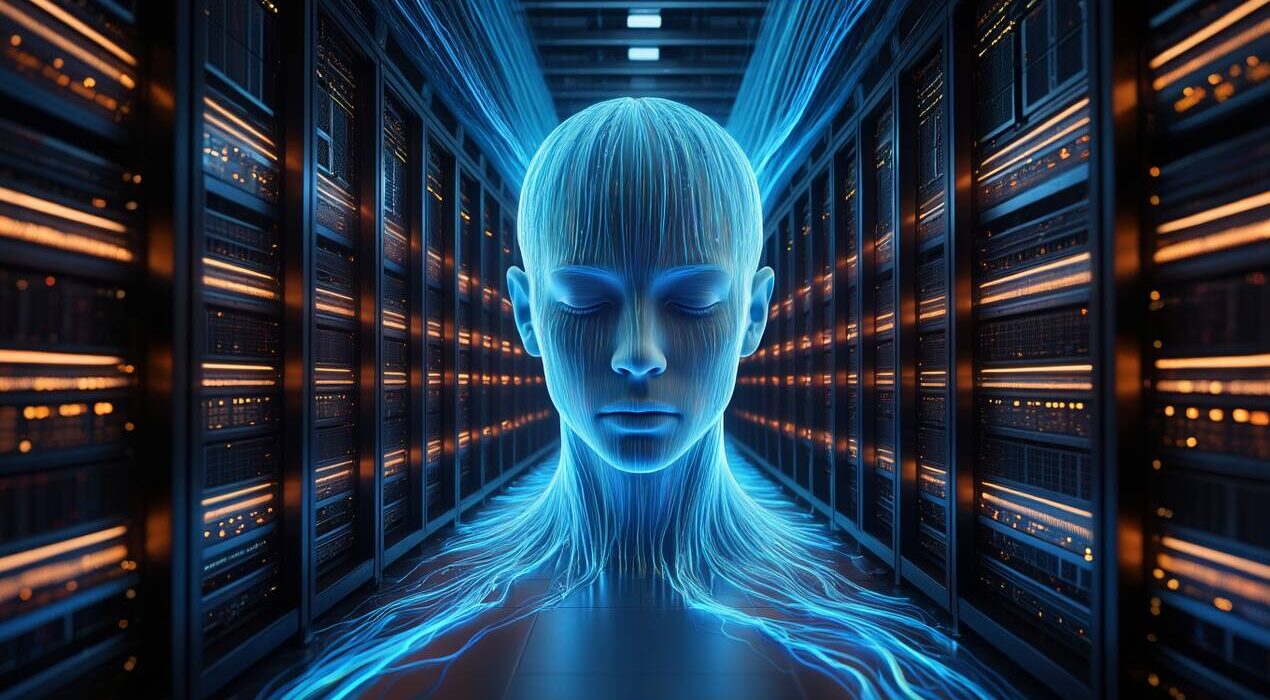
Scientists Issue Urgent Warning: The AI Consciousness Crisis We Can’t Ignore
Artificial intelligence is advancing rapidly. However, our understanding of consciousness lags far behind. This gap creates a major ethical risk. Scientists are now racing to define what consciousness truly is.
Technology is moving faster than science. For example, AI and neurotech are evolving quickly. Therefore, we might soon create systems that seem aware. This possibility forces urgent questions. Who has rights? What deserves protection? Consequently, defining consciousness is no longer just philosophical. It is a pressing moral duty.
The High Stakes of Awareness
Scientists could soon develop tests for consciousness. This breakthrough would transform many fields. In medicine, it could help diagnose brain-injured patients. For animal welfare, it might redefine how we treat other species. Similarly, it would impact laws and AI development.“Understanding consciousness is a huge challenge,” said lead researcher Prof. Axel Cleeremans. “It’s now urgent due to AI. Creating consciousness accidentally poses an existential risk.”
Navigating a New Ethical Landscape
However, identifying consciousness creates tough questions. Would a conscious machine have rights? How do we treat lab-grown brain tissue? As a result, society must rethink responsibility and moral boundaries.
A Call for Global Cooperation
Researchers urge a coordinated, evidence-based approach. Team science can break down old assumptions. Therefore, cooperative efforts are essential. We must prepare for the consequences of this new knowledge.Ultimately, the question is ancient. Yet it has never felt more immediate. Defining consciousness will reshape our future.