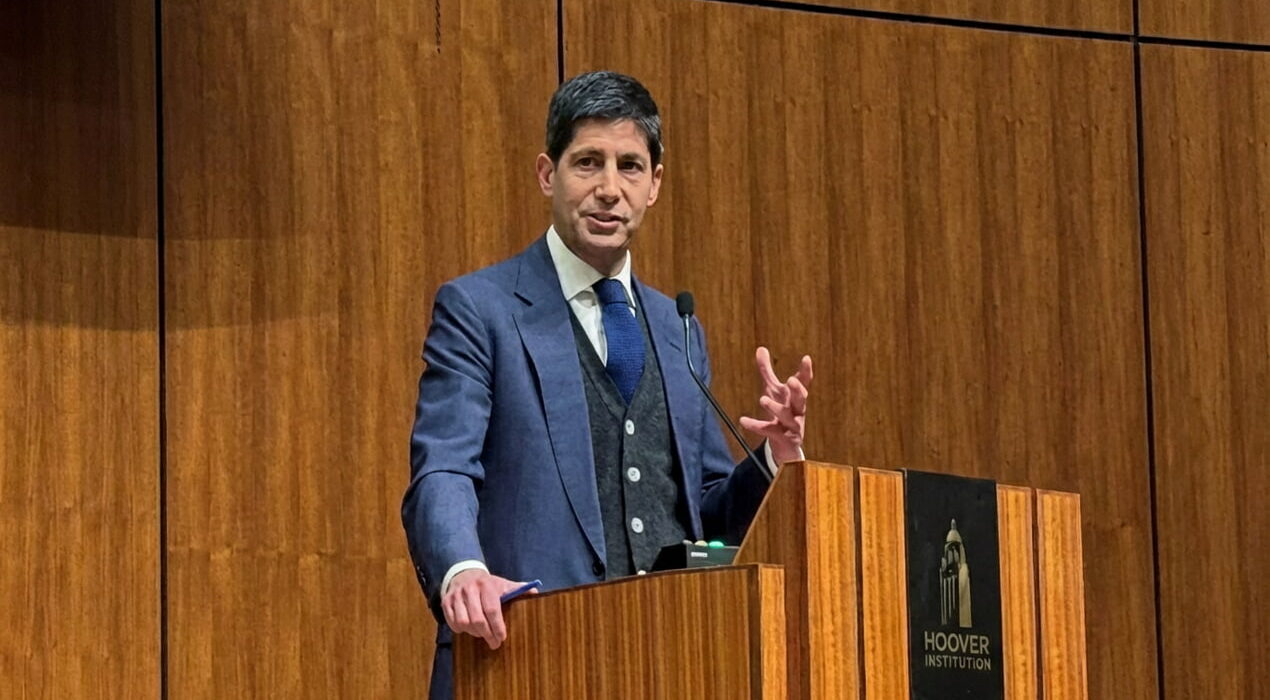
Warsh Regime Change Faces Major Test at US Federal Reserve
Kevin Warsh appears to fit President Donald Trump’s vision for the Federal Reserve. He has strong political ties and deep Wall Street experience. In addition, his polished style appeals to markets and policymakers. However, questions still surround the Warsh regime change plan. Many analysts wonder how fast he would cut interest rates. Others question how far he could reshape the central bank.
Trump has openly pushed for aggressive rate cuts. He has suggested rates near crisis levels. However, Warsh’s past actions suggest caution rather than speed.
Interest Rate Cuts Face Structural Limits
Warsh served as a Federal Reserve governor from 2006 to 2011. During that time, he earned a reputation as an inflation hawk. Therefore, deep rate cuts may clash with his long-held views. Market expectations also limit dramatic moves. Futures currently price in only two modest cuts in 2026. As a result, investors did not react strongly to the nomination announcement.
In addition, Warsh would need support from 18 voting policymakers. Economic data would also guide every decision. These factors reduce the chance of sudden change.
Turning Criticism Into Real Reform
After leaving the Fed, Warsh became a vocal critic. He questioned groupthink and balance sheet growth. Over time, his criticism grew sharper. However, speeches and opinion pieces differ from policy action. Any reform must pass the Board of Governors.
It would also require White House and Treasury approval. Some proposals could even need congressional backing. Therefore, the Warsh regime change faces legal and political hurdles. Change may move slower than supporters expect.
An Institution Resistant to Fast Shifts
The Federal Reserve has grown more complex over two decades. It expanded its role during the financial crisis and the pandemic. As a result, it now operates as a powerful hybrid institution. Economist Heather Long describes Warsh as a pragmatist. She believes he will protect market trust. She also expects him to avoid overheating the economy.
Still, Warsh has hinted at internal resistance. He once said reform may require “breaking some heads.” However, cooperation may matter more than confrontation.
In the end, ambition alone may not be enough. The Warsh regime change will test patience, consensus, and credibility.