Cancer Flips Immune Cells Into Tumor Allies, New Study Finds
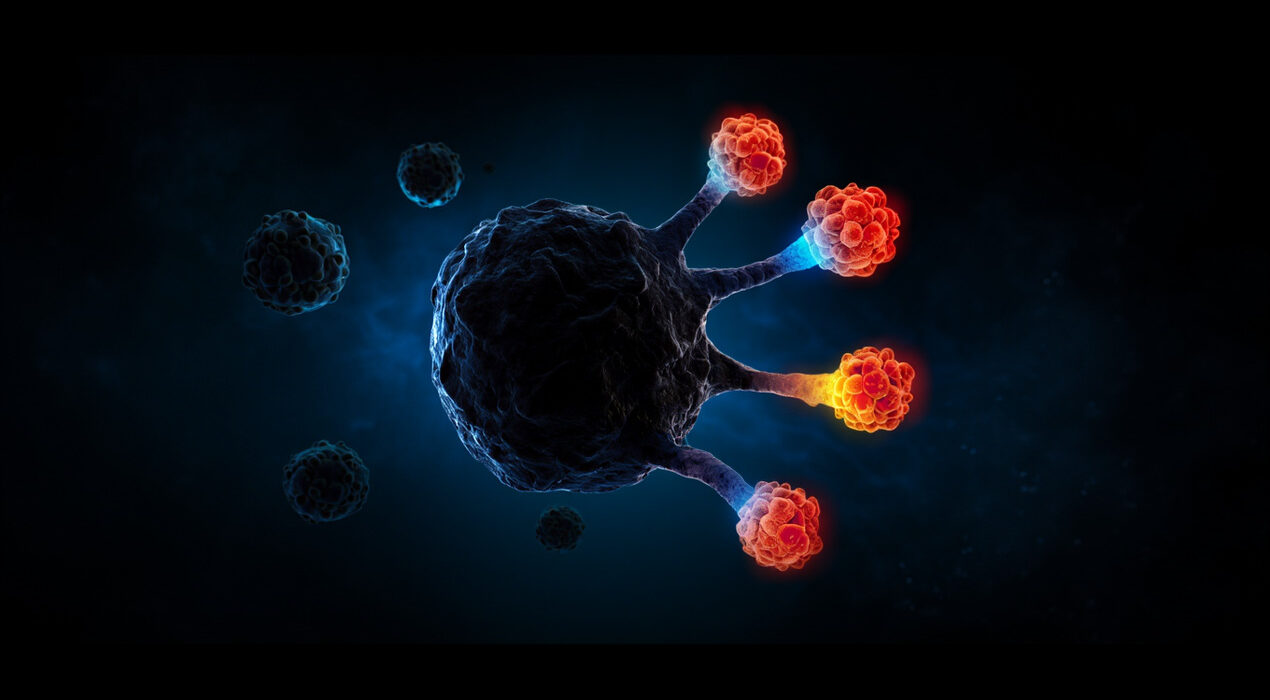
Cancer has a surprising trick. It can turn the body’s own defenders into its allies. New research reveals exactly how this happens. Scientists at the University of Geneva made this discovery. They found that a common immune cell, the neutrophil, changes sides inside a tumor. This shift actively helps the cancer grow.
Neutrophils normally fight infections. However, the tumor environment reprograms them. Once inside, they start producing a molecule called CCL3.This molecule does not help the body. Instead, CCL3 promotes tumor progression. Therefore, these immune cells become part of the problem.
The Challenge of Studying Neutrophils
Studying these cells is technically difficult. Researchers used innovative methods to control the CCL3 gene. They focused specifically on neutrophils in the tumor. As a result, they proved CCL3’s critical role. Removing it stopped the cells from helping the cancer. The neutrophils still arrived but lost their harmful function.
A Common Pattern Across Cancers
The team analyzed data from many independent studies. They developed a new method to spot these sneaky neutrophils. Their analysis revealed a common trajectory. In many cancers, tumor neutrophils produce large amounts of CCL3. This activity is strongly linked to worse outcomes.
CCL3: A Potential Progress Marker
This finding is a new variable for understanding tumors. It helps decipher cancer’s “identity card.” Researchers believe key variables like this are limited. Identifying them helps tailor patient care. In the future, this could lead to more personalized treatments. CCL3 may serve as a useful signal for tracking disease progression. The study moves us closer to that goal. It was published in the journal Cancer Cell.