UNICEF Executive Board Warns Child Survival Gains at Risk Without Strong Primary Healthcare
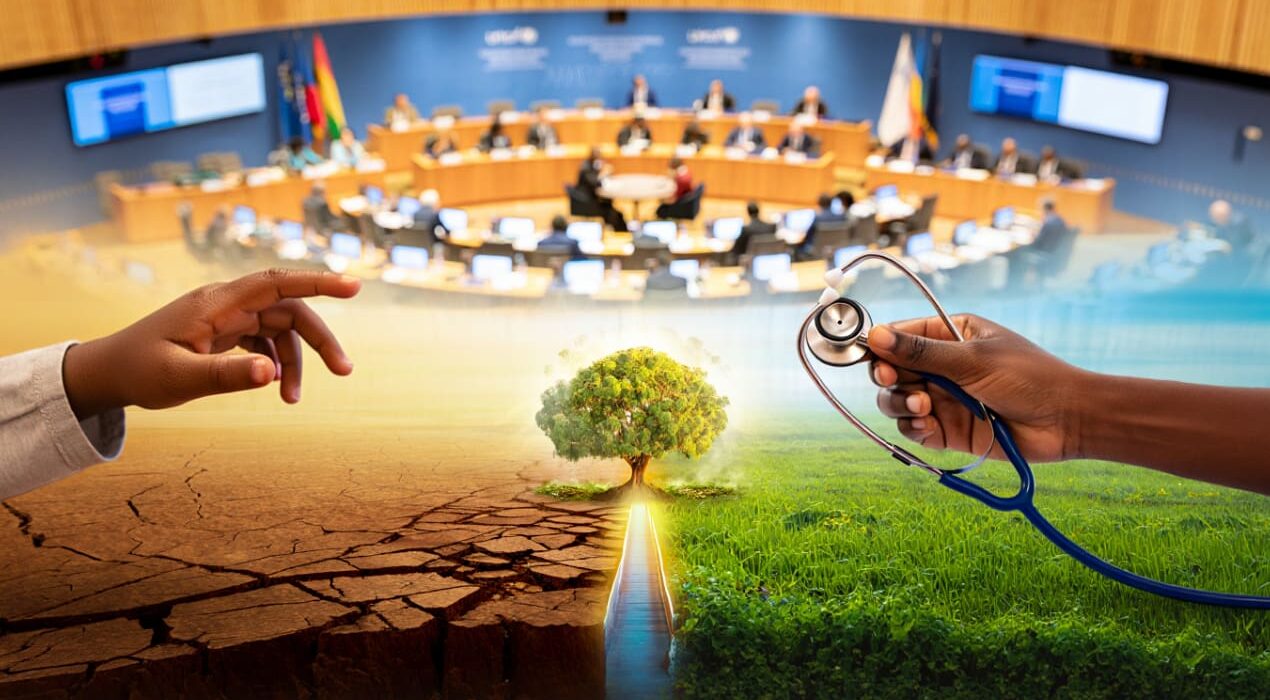
A stark warning has emerged from the UNICEF Executive Board. Decades of progress in child survival could be lost for the first time in 30 years. Executive Director Catherine Russell delivered this urgent message at the first regular session of 2026 in New York.
The two-and-a-half-day session focused on protecting and advancing progress for every child. Board members discussed UNICEF’s implementation of the UN80 reform initiative. They also reviewed the global evaluation plan for 2026 to 2029.
A highlight was the presentation and endorsement of eight new country programme documents. These cover Argentina, Cuba, Mexico, Georgia, Malaysia, Somalia, South Africa, and Sudan. They bring child health to the forefront of discussions.
The Foundation of Progress
Remarkable gains have been achieved through collective global effort. Annual under-five deaths have fallen below 5 million for the first time in history. Immunization now averts nearly 4.2 million child deaths every year.
Global maternal mortality has declined by approximately one third since 2000. These numbers represent millions of lives saved. They are the result of sustained investment and political will.
However, this foundation is increasingly fragile. Sudden cuts in development funding are halting vital services. Serious gaps in health systems are being revealed across the globe.
New and Growing Threats
Misinformation is eroding public trust in vaccines. This undermines one of the most effective public health interventions ever developed. Conflict, climate shocks, and economic instability are displacing the most vulnerable.
These pressures push families further away from even the most basic healthcare. They also intensify psychosocial distress among children, adolescents, and caregivers. The need for primary healthcare systems that address both physical and mental health has never been greater.
Dr. Douglas Noble, UNICEF Associate Director of Health, posed a critical question. “The question before us today is whether these hard-won gains will be sustained – or whether they will be undone,” he said.
He emphasized that survival and thriving are inseparable. Survival means reaching adulthood alive. Thriving requires a comprehensive approach that integrates mental health, psychosocial well-being, and adolescent development.
Mental Health and NCDs
Survival alone is not enough for children to truly thrive. One in seven adolescents aged 10 to 19 lives with a mental health condition. One in four children lives with a caregiver experiencing a mental health condition.
Every 11 minutes, a young person dies by suicide. This underscores the urgency of strengthening prevention and early support. Integrated mental health and psychosocial support across health, education, and protection systems is essential.
Noncommunicable diseases affect over 2 billion children under age 20. Contrary to common belief, NCDs are not exclusive to aging populations. They disproportionately affect children in the world’s poorest communities.
A youth advocate from Mexico, Meylan Alejandra Ramos Espejel, made a powerful statement. “My generation is not broken. We are not apathetic. We are growing up in the midst of forced migration, climate displacement, global conflict and structural violence.”
She called for genuine inclusion, not just being given space to speak. “Listening to our proposals, funding our solutions, and walking with us through action is what truly matters.”
The Sudan Crisis
Ayoub Ibrahim Arabi Mohammed from Sudan delivered a heartbreaking account. “War has displaced families and dismantled health systems. Hospitals have no fuel, medicine or basic supplies. Clinics that once saved lives now stand silent.”
Mothers ride donkeys for days searching for healthcare that often does not exist. Children are dying because healthcare can no longer reach them. He urged Member States to “choose to protect the children of Sudan.”
“Frontline health workers are the last line of defense for children trapped in conflict. They must be protected. Health systems must never be allowed to collapse into silence.”
A Clear Path Forward
UNICEF is urging Governments to take action in five transformative areas. First, make primary care stronger and more resilient. Second, restore trust in immunization through community engagement.
Third, tackle key contributing factors to children’s health. These include malnutrition, clean water, and sanitation. Fourth, prioritize pediatric HIV and adolescent health.
Fifth, embed integrated approaches to mental health and noncommunicable diseases. This must happen across primary healthcare and adolescent health strategies.
Board Decisions
The Board adopted seven decisions despite some agenda items going to a vote. These covered the UN80 Initiative, addressing racism, and early childhood development evaluation. They also approved the global evaluation plan and governance oversight.
Eight new country programmes were approved for Argentina, Cuba, Georgia, Malaysia, Mexico, Somalia, South Africa, and Sudan. An extension for the Gulf Area subregional programme was also granted.
Executive Director Russell thanked the Board for its work. “These programme documents are road maps for delivering tangible results for children in education, health, nutrition, child protection, and more.”
Board President Ambassador Rein Tammsaar expressed regret that consensus was not reached on all items. However, he affirmed that “our ultimate measure of success will be the results we achieve for every child, everywhere.”