New Exhibition Reveals How Photography Classified Colonial India
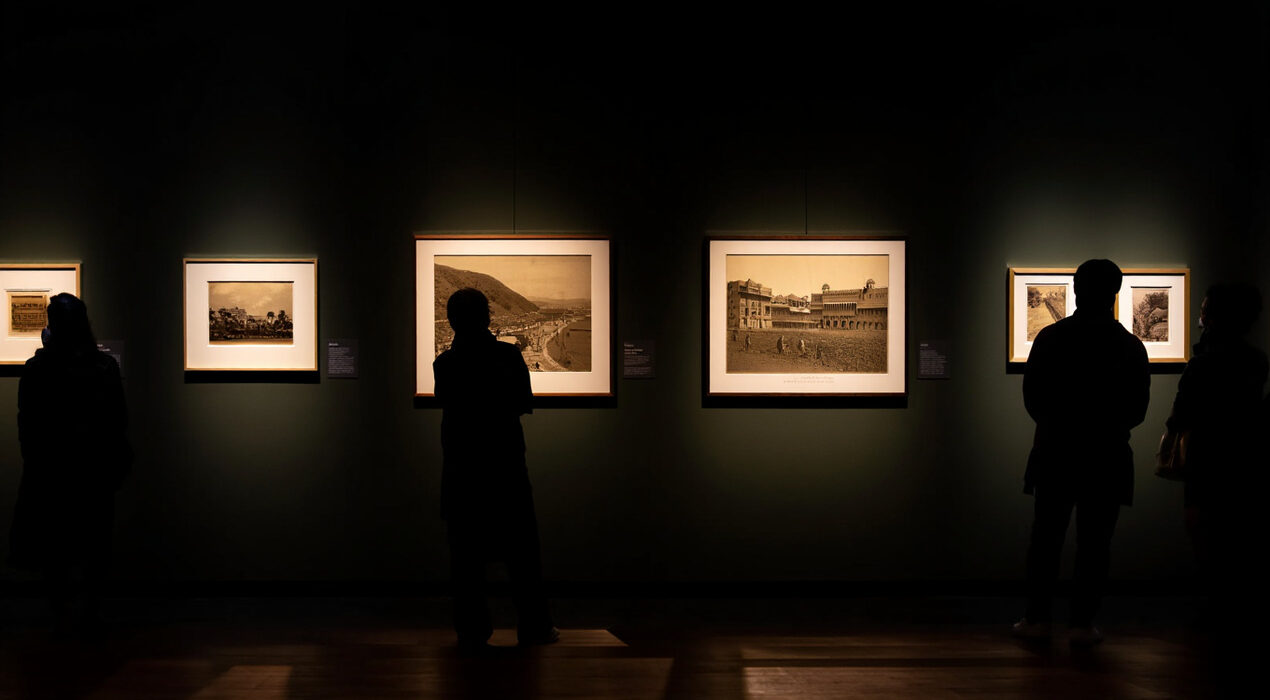
Photography once served a powerful purpose in colonial India. It helped the British Empire understand and classify its subjects. A new exhibition now explores this complex history.The show is called “Typecasting: Photographing the Peoples of India, 1855-1920.” Delhi-based art gallery DAG organized this important collection. It brings together nearly 200 rare photographs from that period.
A Tool of Empire
The camera became an instrument of colonial knowledge. Officials used it to classify communities and fix identities. Therefore, photography made India’s social differences legible to the British government. It translated fluid realities into stable “types.”
Spanning a Vast Geography
The exhibition covers 65 years of photographic history. It maps an expansive human geography across the subcontinent. Images show Lepcha and Bhutia communities from the northeast. They also capture Afridis from the northwest. In addition, viewers see Todas from the Nilgiris hills. Parsi and Gujarati elites from western India appear as well.The colonial gaze also turned downward. It documented dancing girls, agricultural laborers, barbers, and snake charmers. These images assigned people to lower rungs of the social order.
Influential Publications and Photographers
Historian Sudeshna Guha curated this revealing exhibition. It centers on folios from “The People of India.” This influential eight-volume survey published between 1868 and 1875 shaped colonial views.The show expands to include works by famous photographers. Samuel Bourne, Lala Deen Dayal, and John Burke are featured. The studio Shepherd & Robertson also contributed images. Their work helped define the visual language of that time. This colonial India photography exhibition challenges viewers to reconsider old images and their lasting impact.