Ultramarathons Damage Red Blood Cells, Accelerate Aging: Study
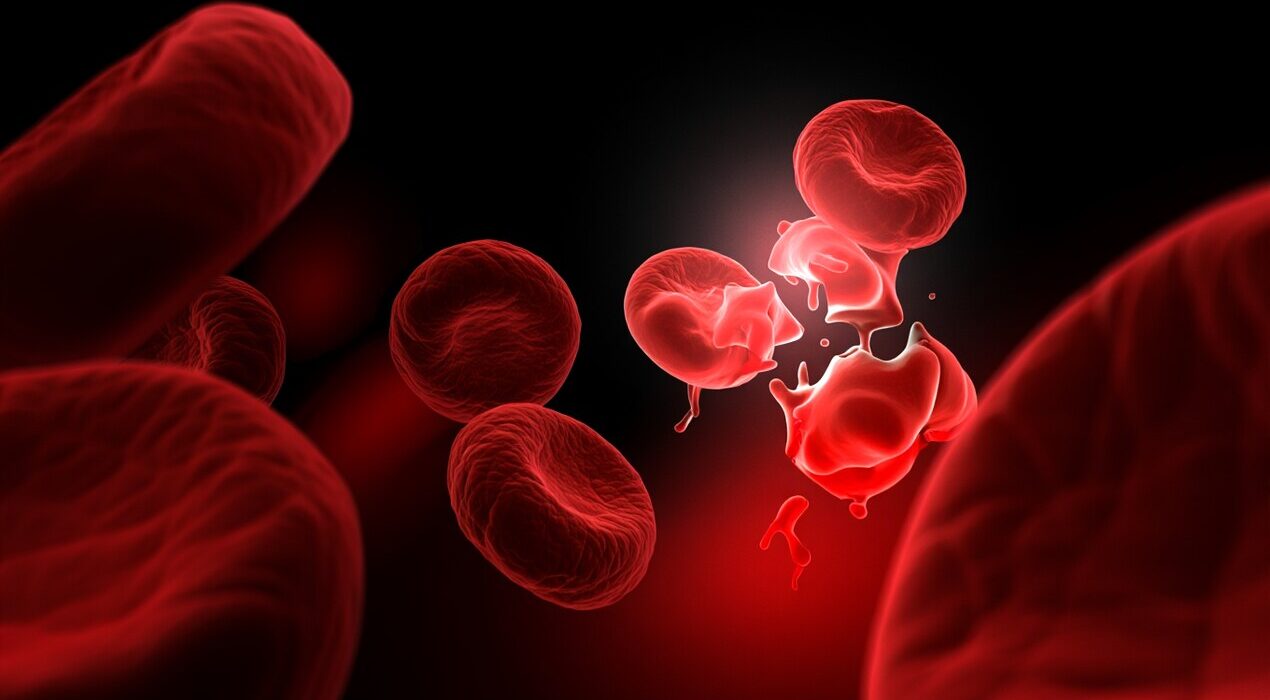
Ultramarathons may do more than exhaust your muscles. New research suggests these extreme races damage red blood cells from the inside out.Scientists found that prolonged running makes red blood cells less flexible. These cells must bend to squeeze through tiny blood vessels. Therefore, reduced flexibility may limit how well they deliver oxygen throughout the body.The study appeared in the journal Blood Red Cells & Iron from the American Society of Hematology.
What Happens to Blood Cells During Extreme Running?
Researchers studied 23 runners before and after two demanding races. One race covered 40 kilometers (about 25 miles). The other stretched 171 kilometers (106 miles).The team analyzed thousands of proteins, lipids, and metabolites in blood samples. Results showed clear signs of injury from both mechanical and molecular stress.Mechanical stress likely comes from intense blood flow during running.Molecular damage links to inflammation and oxidative stress. This happens when the body lacks enough antioxidants.
Longer Races Mean More Stress
Evidence of damaged red blood cells appeared after the 40-kilometer race. However, the 171-kilometer event showed even greater cellular stress.”At some point between marathon and ultra-marathon distances, the damage really starts to take hold,” said lead author Dr. Travis Nemkov from the University of Colorado Anschutz.Scientists don’t know how long this damage lasts. They also don’t understand its long-term health effects.
Broader Implications for Medicine
These findings may help improve blood storage practices. Stored blood deteriorates after several weeks and must expire after six weeks.”Red blood cells are remarkably resilient, but they are also exquisitely sensitive to stress,” explained study co-author Angelo D’Alessandro.Understanding how exercise damages blood cells could lead to better storage methods. This benefits both athletes and patients needing transfusions
.Study Limitations and Next Steps
The research included a small, less diverse group of participants. Scientists also collected blood at only two time points.Researchers plan larger studies with more participants and additional measurements. They also want to explore ways to extend stored blood’s shelf life.For now, the team doesn’t advise for or against ultramarathons. They simply want athletes to understand the cellular stress these events create.