Hospital Challenges in Diagnosing Depression and Delirium
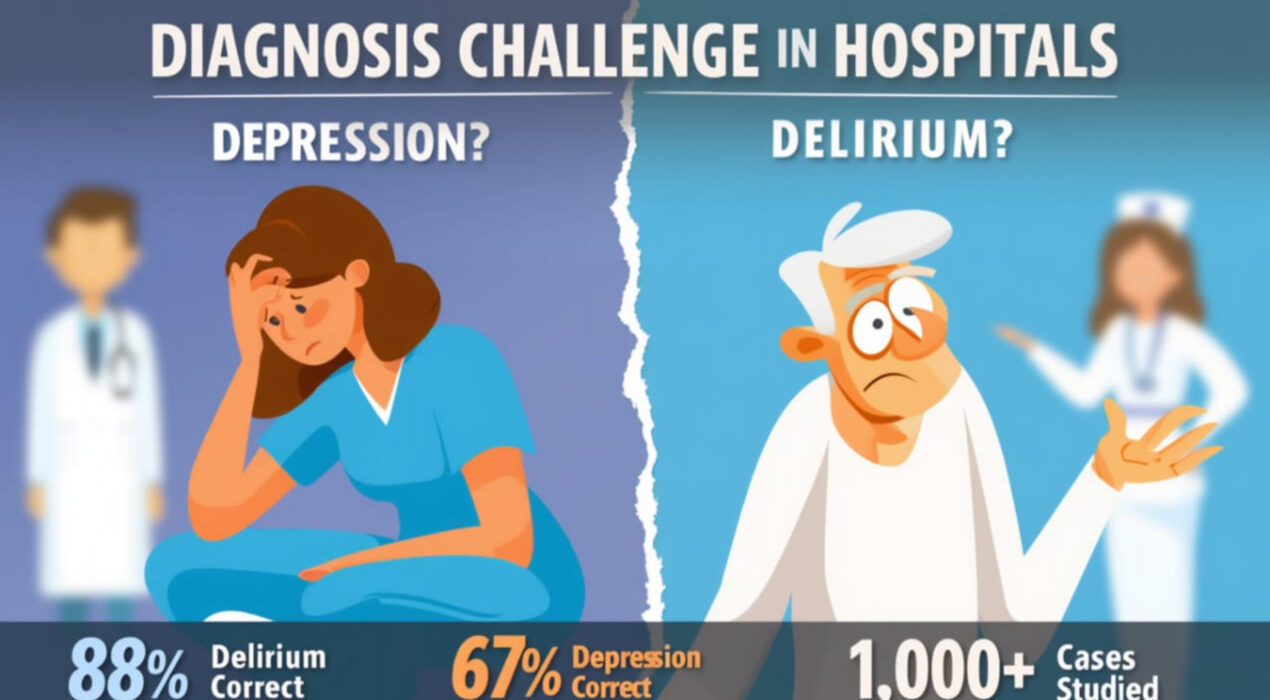
Patients in hospitals often show signs of emotional distress. However, distinguishing between depression and delirium is not always simple. A recent study by Cleveland Clinic researchers examined nearly 1,000 inpatient referrals for suspected depression or delirium. The findings reveal where diagnostic gaps occur and why they matter.
How Often Misdiagnosis Happens
The study compared primary medical and surgical team diagnoses with final psychiatric evaluations. Teams correctly identified delirium 88% of the time. Depression alone was correctly diagnosed in 67% of cases. Expanding the diagnosis to include adjustment disorders improved agreement to 80%.
Factors Behind Diagnostic Errors
Younger patients were more likely to be misdiagnosed with depression. Prior psychiatric diagnoses reduced misdiagnosis, while patients on psychotropic medications were more prone to errors. Clinicians may anchor on medications and overlook signs of delirium.
Improvements in Detection
Delirium detection has improved thanks to routine screening tools like the Confusion Assessment Method. Nurses and frontline teams now recognize delirium symptoms more readily. Targeted geriatric education also appears to reduce errors in older adults.
Moving Forward
Researchers stress that these findings are a chance to improve care. Educating clinicians about depression, delirium, adjustment disorders, and anxiety can reduce misdiagnosis. Avoiding diagnostic shortcuts and maintaining a broad differential is essential. Accurate diagnosis lowers stigma, treats the right condition, and improves patient outcomes.