IoT Vacuum Hack Exposes Security Gaps in Smart Homes
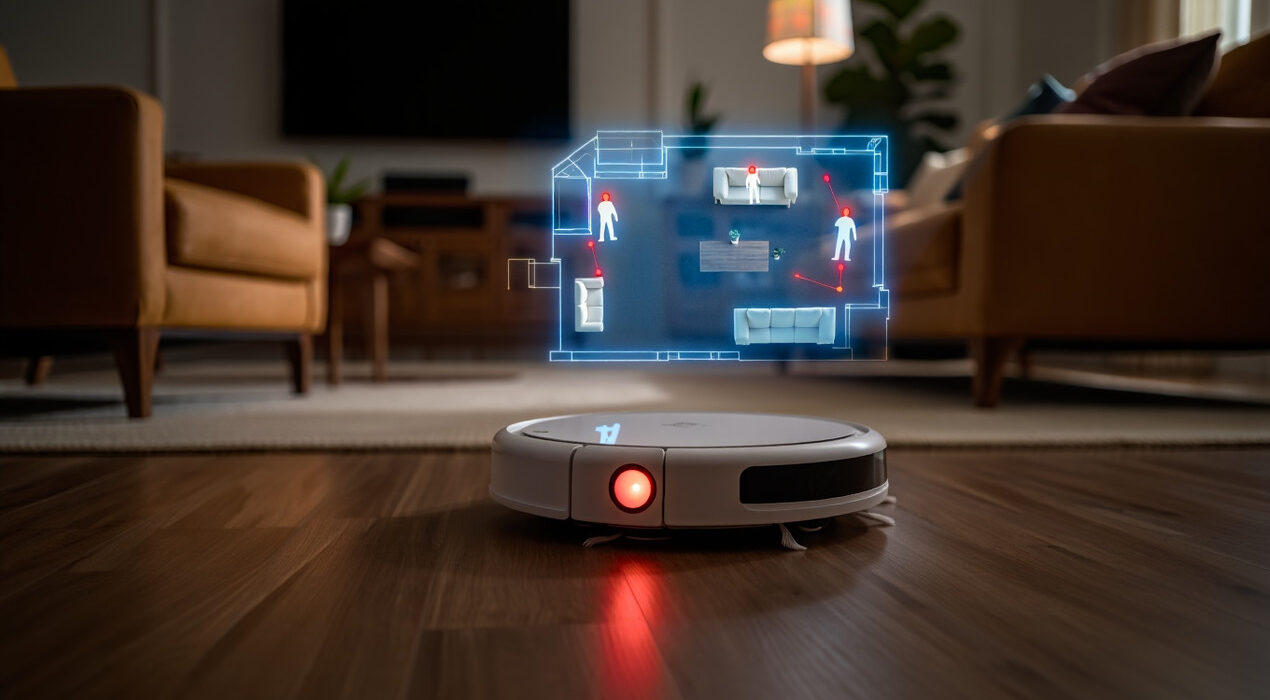
An IoT vacuum hack has exposed serious flaws in connected devices. A Spanish software engineer contacted a New York-based tech outlet with the claim. He said he remotely accessed around 7,000 robotic vacuum cleaners worldwide. The engineer reportedly demonstrated how easily he could control the devices. As a result, cybersecurity experts now warn about deeper risks in smart home products. The case highlights how vulnerable some connected appliances remain. According to reports, the access did not require physical contact. Instead, the weakness appeared within online systems linked to the vacuums. Therefore, the issue points to gaps in cloud-based security.
Why This Incident Matters
Experts say many smart devices rely on weak default protections. For example, poor password policies or outdated firmware can create easy entry points. In addition, some companies fail to update security patches quickly. This IoT vacuum hack shows how everyday appliances can become targets. Robotic cleaners may seem harmless. However, hackers could exploit similar flaws in cameras, locks, or other tools. Cybersecurity professionals stress the importance of stronger safeguards. Companies must improve encryption and authentication processes. Consequently, users would gain better protection against unauthorized access.
Consumers also play a role. People should change default passwords and update device software regularly. These simple steps can reduce risk significantly. The broader IoT market continues to grow rapidly. More households now rely on smart devices for convenience. As a result, security must keep pace with innovation. This case serves as a warning, not just a headline. The IoT vacuum hack underscores the urgent need for stricter standards. Without stronger protections, connected homes could face greater cyber threats in the future.