New Study Explains Long COVID Health Impacts on Organs
Researchers now use mouse models to study how COVID-19 affects the body long-term. Even after the virus leaves, many subjects still show signs of internal damage. These studies help us understand why human patients feel breathless months later.
Scientists compared SARS-CoV-2 to the common flu in a controlled study. Both viruses caused severe weight loss and lung inflammation during the initial phase. However, the recovery process for each virus looked very different over time.
Persistent Lung and Respiratory Issues
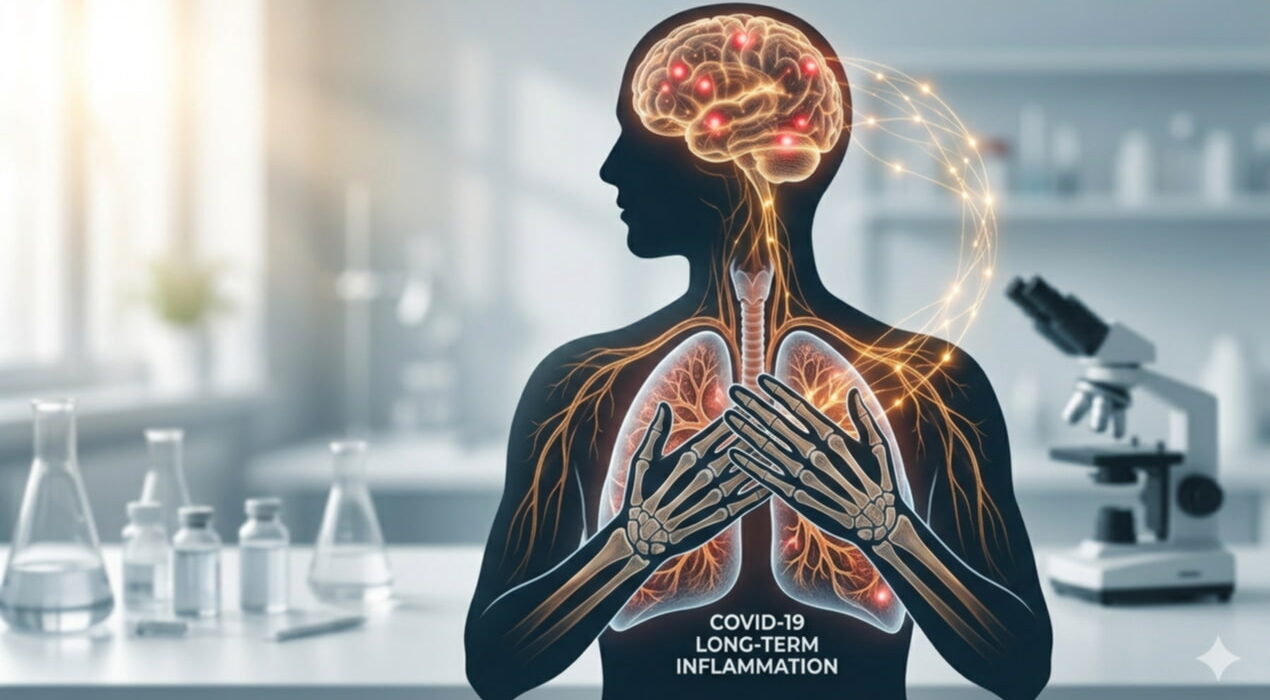
The flu showed signs of healthy tissue repair and healing. In contrast, the COVID-19 model showed Long COVID health impacts like scarring. This process, called fibrosis, makes the lungs stiff and less efficient.
As a result, the body struggles to maintain proper oxygen levels. This explains why some people feel winded even after they test negative. Therefore, doctors believe persistent inflammation drives these lasting breathing difficulties.
Neurological Symptoms Without Infection
Surprisingly, the researchers found no trace of the virus inside the brain itself. Yet, the COVID-19 group still suffered from significant brain inflammation and tiny bleeds. This suggests that the immune system’s overreaction causes the damage.
These internal changes can disrupt memory, mood, and focus for weeks. For example, the study found specific changes in the brain’s hormonal control centers. This highlights a clear link between vascular health and mental clarity.
Moving Toward Better Recovery
Understanding these subchronic injuries is the first step toward better treatments. We now know that clinical recovery does not always mean the body is fully healed. Consequently, monitoring long-term symptoms remains vital for all survivors.