Pakistan Repatriates Citizens as Iran Conflict Escalates
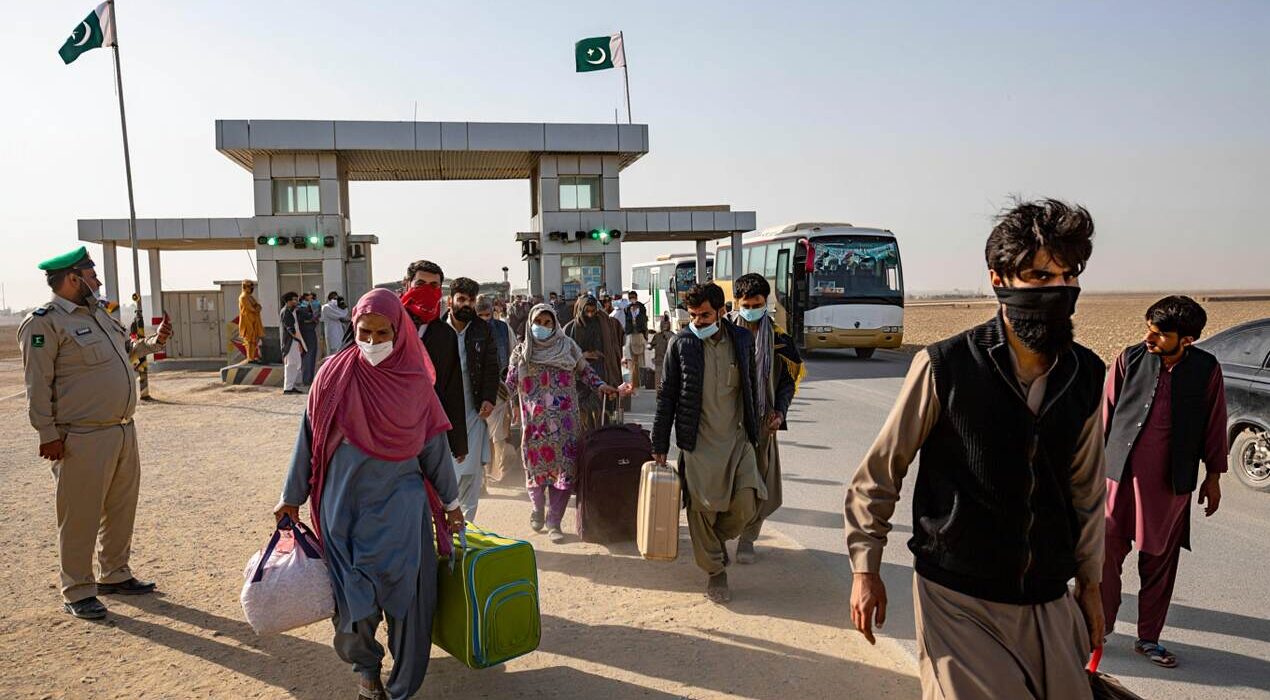
Pakistan Iran repatriation efforts gained pace as tensions intensified after US and Israeli strikes. Authorities began bringing back students, pilgrims, traders, and tourists through Balochistan border crossings. Officials say they aim to protect citizens amid growing instability.
Nineteen students crossed the Taftan border overnight from Zahedan. All studied at Zahedan Medical University. Authorities completed medical and immigration checks before arranging transport to Punjab and Khyber-Pakhtunkhwa.
Meanwhile, 51 citizens returned through the Gabd-Rimdan crossing near Gwadar. Deputy Commissioner Naqeebullah Kakar confirmed their arrival. The group included five students along with stranded pilgrims, tourists, and traders.
Border Operations and Government Response
Muhammad Behram Khan, Director of the Federal Investigation Agency in Balochistan, said immigration desks now operate round the clock. Officials are providing food, shelter, and onward travel support. As a result, returnees can quickly reach their home provinces.
Authorities have urged Pakistanis still in Iran to return immediately. They confirmed that both Taftan and Gwadar crossings remain open. Therefore, more arrivals are expected in the coming days.
The government described the operation as part of a wider humanitarian response. Officials said they will use all available resources to ensure safe returns.
Regional Escalation and Flight Disruptions
The crisis deepened after joint strikes by the United States and Israel inside Iran. Reports indicate over 200 fatalities and hundreds of injuries. In addition, Iranian state media confirmed the killing of Ayatollah Ali Khamenei, which further escalated tensions.
Following the incident, Iran launched attacks on several US-linked targets in Gulf states. Consequently, regional air travel faced severe disruption. More than 500 domestic and international flights were cancelled in three days, leaving thousands stranded.
As tensions continue, Pakistan Iran repatriation efforts remain a top priority for authorities.