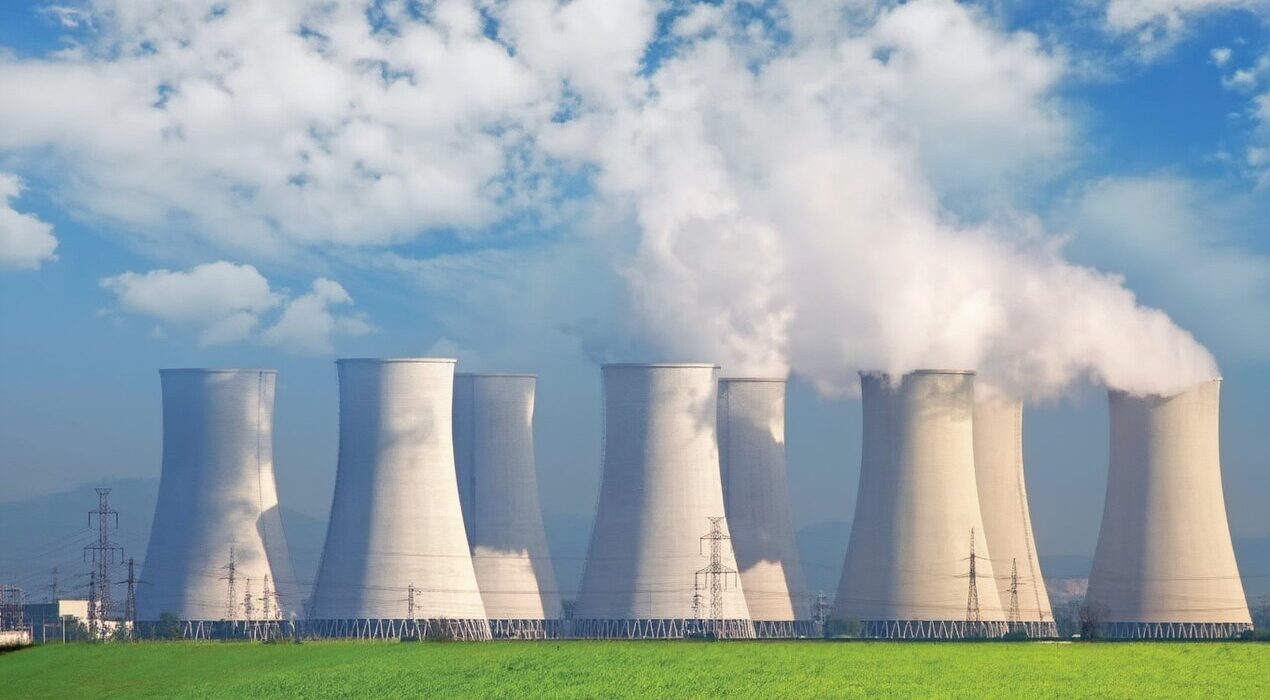
IAEA Approves Safeguards Agreement for Pakistan’s Chashma C-5 Nuclear Plant
Pakistan has secured international approval for the Chashma C-5 safeguards agreement after the International Atomic Energy Agency approved it unanimously. Deputy Prime Minister and Foreign Minister Ishaq Dar shared the update on X. He said the decision marks an important step for Pakistan’s energy future.
The agreement allows the application of safeguards at Unit 5 of the Chashma Nuclear Power Plant. Therefore, the project will move forward under international monitoring standards. Officials believe the development will strengthen Pakistan’s energy security and climate commitments.
Dar also said the approval reflects global trust in Pakistan’s peaceful nuclear program. In addition, he highlighted the country’s continued adherence to international non-proliferation rules.
IAEA approval strengthens energy plans
The Chashma C-5 safeguards agreement will support the construction of a new nuclear reactor at the Chashma Nuclear Power Plant. The new unit will have a gross capacity of 1,200 megawatts of electricity.
Engineers will build the facility using pressurised water reactor technology. Once completed, the plant will supply reliable and low-carbon electricity to Pakistan’s national grid.
Officials expect the unit to become operational by 2030. As a result, it will play a key role in meeting rising electricity demand across the country.
The government believes nuclear power offers a stable energy source. Moreover, it can help reduce dependence on imported fossil fuels.
Nuclear energy role in Pakistan’s power mix
Pakistan already operates several nuclear power facilities across the country. At present, six nuclear power plants contribute to the national energy system.
Together, these plants produce about 3,530 megawatts of installed electricity capacity. Therefore, nuclear power remains an important part of Pakistan’s long-term energy strategy.
Authorities also see nuclear energy as a cleaner option compared with many traditional fuels. In addition, it supports the country’s climate targets by producing low-carbon electricity.
With the new reactor planned at Chashma, officials expect a stronger and more reliable energy supply in the coming years.