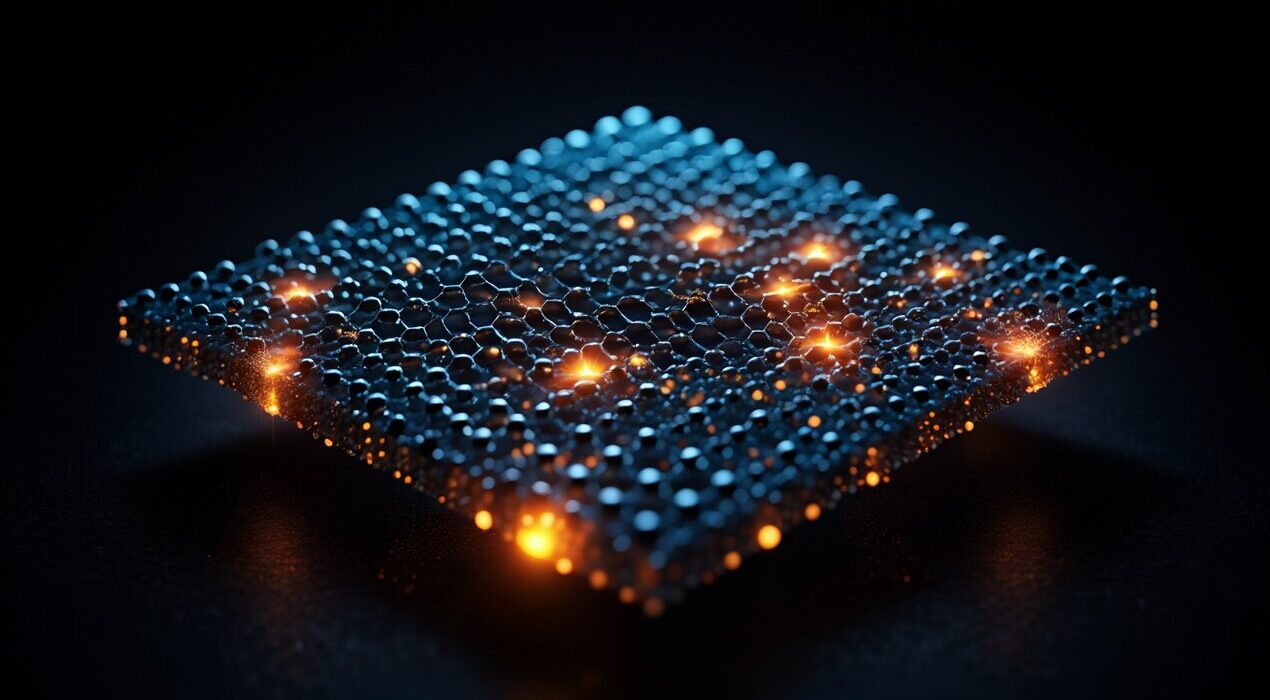
How ‘Empty Space’ Is Supercharging Atomically Thin Semiconductors
Scientists just solved a major puzzle in materials science. The answer lies in empty space. This discovery could revolutionize future electronics.
The Challenge With 2D Materials
Atomically thin semiconductors are incredibly tiny. They measure just one atom in thickness. These materials could transform how we build computers and phones.
However, these thin materials behave strangely. Electrons inside them move differently than expected. For years, researchers struggled to understand why.
The Surprising Role of Vacuum
Empty space exists between the atoms in these materials. Scientists call this vacuum. It turns out this nothingness plays a huge role. The vacuum changes how electrons interact with each other. It reduces something called “screening.” As a result, electrons feel each other’s presence more strongly.
Creating Excitons in the Void
This stronger interaction creates quasiparticles called excitons. Think of an exciton as a paired electron and hole. They form when light hits the material. In atomically thin semiconductors, excitons behave differently. They move faster and last longer. The surrounding vacuum makes this possible.
For example, excitons in these materials can travel further. They also carry information more efficiently. This makes them perfect for future computing.
The Future of Ultra-Thin Tech
We are moving toward smaller, faster electronics. Atomically thin materials will likely power them. Now scientists know why they work so well. The empty space inside materials isn’t truly empty. It actively shapes how electrons behave. This invisible void holds incredible potential.
As research continues, expect exciting breakthroughs. The smallest spaces might create the biggest changes. Technology will never be quite the same.