Study Finds ‘SuperAgers’ Brains May Hold Secrets to Healthy Aging
Scientists are studying a unique group of older adults known as SuperAgers. These individuals are usually over 80 years old. However, their memory works as well as people decades younger. Researchers believe these individuals could reveal important clues about healthy aging. As a result, their brains are attracting growing attention in the field of Neuroscience.
What Makes SuperAgers Different
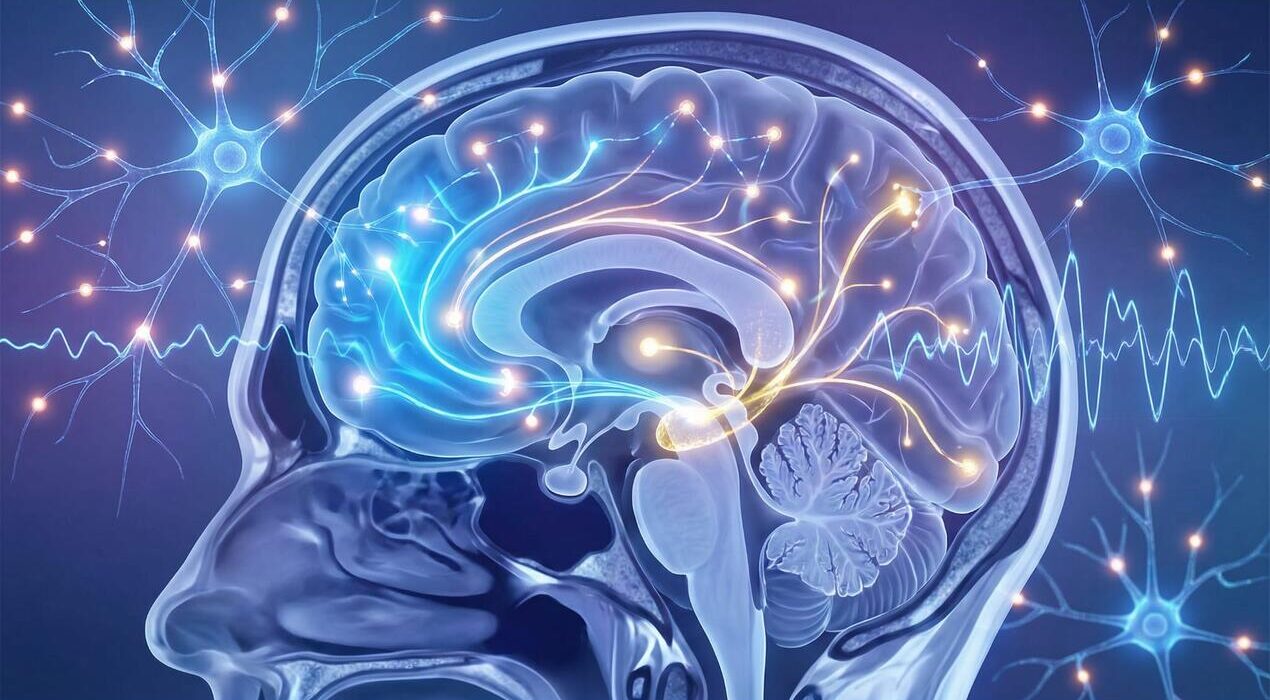
Most people experience memory decline with age. In contrast, SuperAgers maintain strong memory and thinking skills. Brain scans show that many SuperAgers have thicker brain regions linked to memory. For example, the cortex areas related to learning often remain well preserved. In addition, scientists found fewer signs of age-related brain damage. This includes reduced levels of proteins linked to Alzheimer’s disease.
Lifestyle May Play an Important Role
Researchers say several lifestyle factors may support brain health. Regular physical activity appears to help maintain strong cognitive function. Social connections also matter. Many SuperAgers stay active in their communities and maintain close relationships. As a result, their brains may benefit from constant mental engagement. In addition, curiosity and lifelong learning seem common among these individuals. Activities such as reading, puzzles, and learning new skills can stimulate the brain.
What Scientists Hope to Learn
Researchers hope SuperAgers can reveal how the brain resists aging. Understanding these mechanisms could lead to better strategies for healthy longevity. Future studies may also help prevent cognitive decline. For example, new treatments or lifestyle recommendations could emerge from this research. Overall, SuperAgers remind scientists that aging does not always mean losing memory. Their brains show that sharp thinking can continue well into later life.