GLP-1 Drugs May Improve Heart Attack Recovery
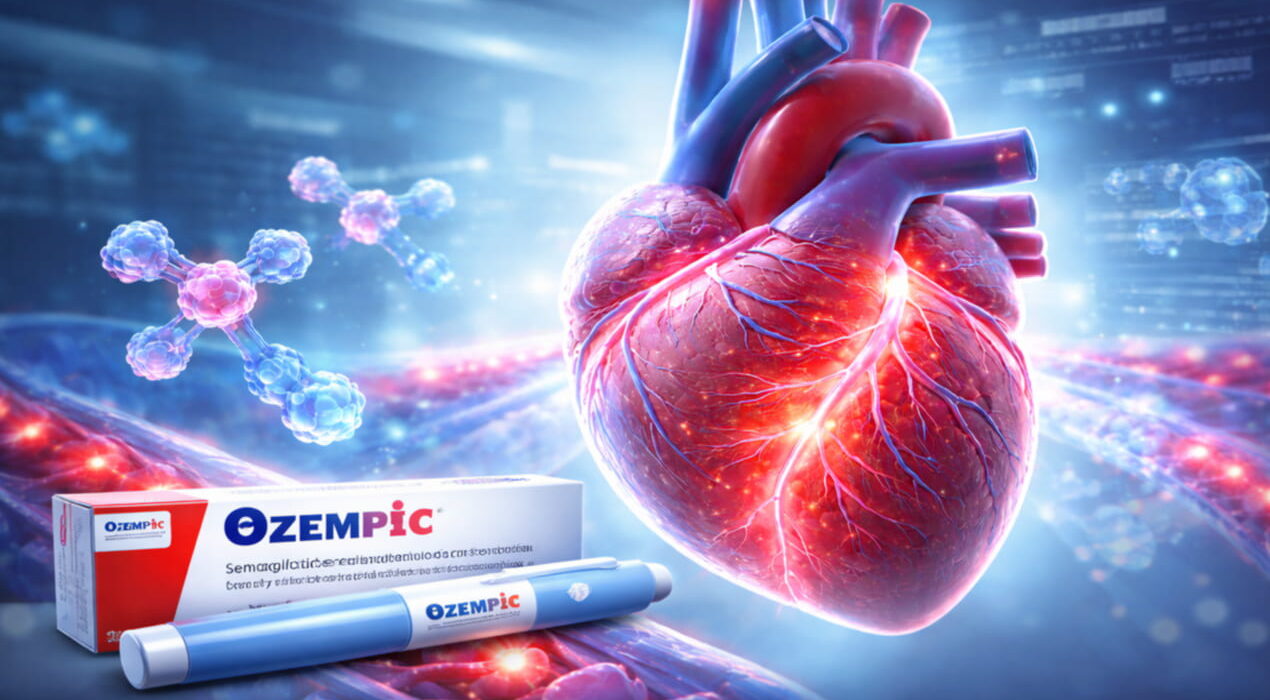
Recent studies suggest GLP-1 medications could benefit heart health. GLP-1 heart recovery may reduce risks after a heart attack. These drugs, including Zepbound and Ozempic, are known to lower blood pressure and cholesterol. They may also reduce the chance of cardiovascular complications such as stroke.
Now, a new study in Nature Communications highlights how GLP-1 drugs might assist heart attack recovery. Researchers used a mouse model to test the effect on post-heart attack complications. These complications often increase hospital admissions and the risk of heart failure or death.
How GLP-1 Drugs Help Blood Flow
The research found GLP-1 drugs improve blood flow after a heart attack. They work by relaxing pericytes, tiny cells that constrict capillaries. When pericytes relax, blood vessels reopen, reducing the no-reflow effect. This can lower the risk of further heart damage. GLP-1 activates potassium channels in these cells, which changes their electrical activity and limits calcium entry. Less calcium means better relaxation and restored blood flow.
Promising Research for Patients
Experts believe this is a promising step in heart attack care. GLP-1 drugs may provide targeted protection for heart capillaries. Future clinical trials could confirm benefits in humans. Cardiologists note that understanding this mechanism may expand treatment options for patients. As heart disease remains the leading cause of death, GLP-1 heart recovery offers hope for improving survival and recovery.
Next Steps
Researchers aim to develop drugs that specifically target heart capillaries. This could reduce side effects and enhance cardiac protection. Human studies will be crucial to test microvascular effects and outcomes. If successful, GLP-1 medications could become a vital part of post-heart attack treatment.