Anaemia in Women Limits Health & Empowerment
ISLAMABAD: As International Women’s Day (IWD) was observed , millions of Pakistani women and girls face a challenge not of ambition, but of iron deficiency. Anaemia, a largely preventable condition, continues to limit their health, productivity, and empowerment. Dr Shabina Raza, country director of Nutrition International Pakistan, says true progress starts with protecting women’s health.
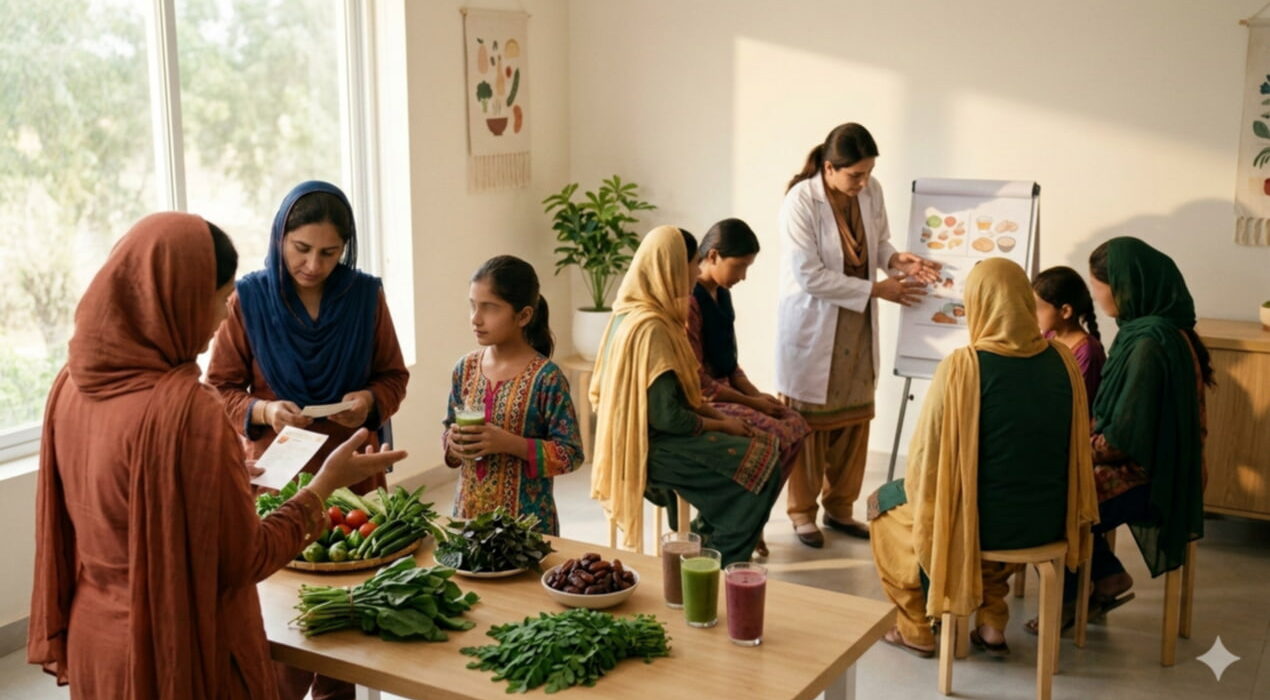
Around 14% of women of reproductive age are undernourished, while over half suffer from anaemia. Some provinces face even higher rates: Balochistan at 56.6% and Sindh at 44%. Anaemia occurs when the body lacks enough healthy red blood cells, causing fatigue, weakened immunity, and pregnancy complications. “Women eating last and least, girls missing nutritious meals, and social norms prioritizing others’ wellbeing deepen this crisis,” Dr Raza explains.
Health and Productivity Impact
Anaemia reduces energy and strength, limiting women’s roles at home, in agriculture, and in business. This also affects their participation in the workforce and social life. Dr Raza emphasizes that addressing anaemia is essential not only for health but also for women’s full economic contribution.
Government and Expert Initiatives
Health ministry spokesperson Sajid Shah highlights the need for investment in equitable health services and disease prevention. He calls for school health and multisectoral nutrition programs, combining screening, education, and healthy diets. Munazza Gillani from Sightsavers notes that gender equality remains distant, with girls facing higher barriers in education and employment, especially those with disabilities.
Empowerment Through Inclusion
Disability-inclusive programs can accelerate progress. Fizza Hussain, Pakistan’s first visually impaired chef, exemplifies this. Losing her sight at 18, she co-founded Khaas Foodz Kitchen, training over 1,000 visually impaired individuals in professional culinary and life skills. Supporting women’s health and inclusion strengthens families, communities, and the economy.