Fuel Price Hike Sparks Public Anger Across Pakistan
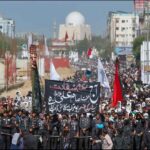
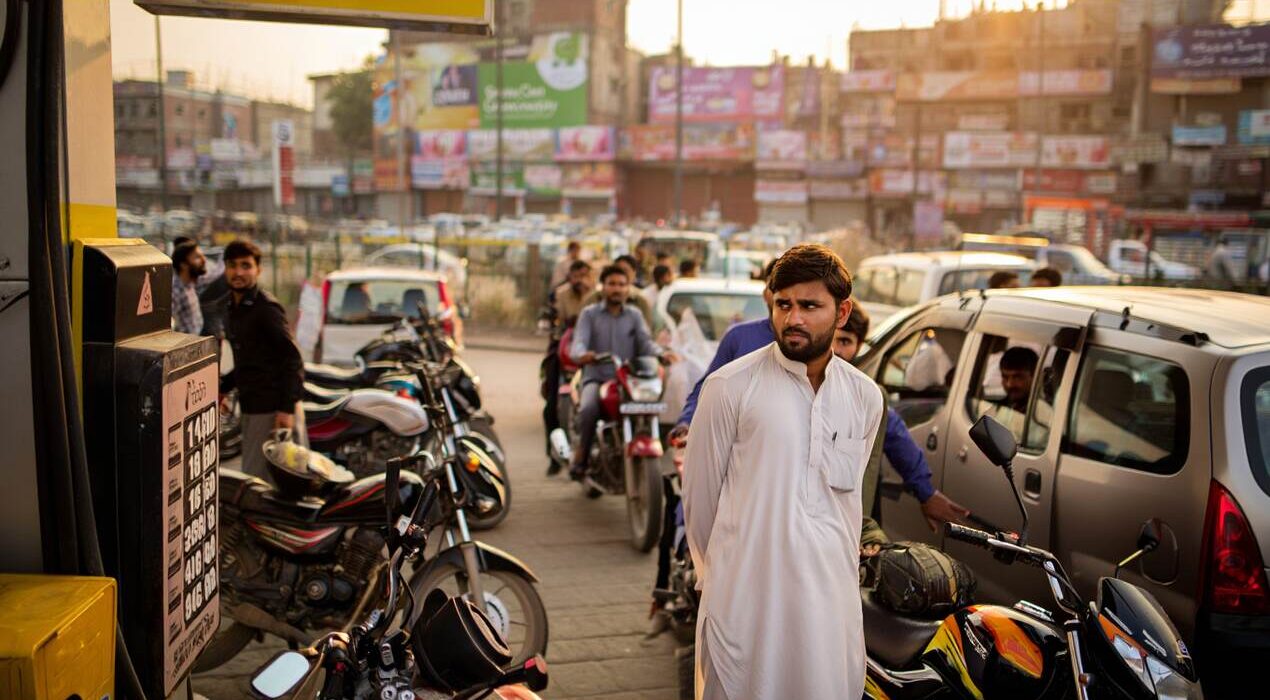
Public anger is rising across Pakistan after the sudden fuel price hike increased petrol and diesel rates by Rs55 per litre. The decision has quickly affected daily life in many cities. Households already struggling with inflation during Ramazan now face even higher expenses. People from different backgrounds say the increase has worsened their financial stress. Many believe the government ignored public hardships while announcing the decision. As a result, frustration is spreading among consumers, traders, and workers.
Experts say a fuel price hike often triggers a chain reaction in the economy. Higher fuel costs increase transport expenses and raise the prices of daily necessities. Consequently, families face a higher cost of living and reduced purchasing power.
Rising Transport and Food Costs
Transport fares increased soon after the price adjustment. Drivers and transport operators say they cannot absorb the rising fuel costs. Therefore, many have raised fares by 15 to 20 per cent. Daily commuters in Karachi report noticeable fare increases on buses, Qingqi rickshaws, and ride-hailing services. For example, fares for short trips rose from Rs20 to Rs30. Some passengers also reported arguments with drivers over the higher fares.
In addition, ride-hailing drivers say the increase has reduced customer demand. Many commuters now prefer cheaper bus travel to manage their expenses. As a result, drivers worry about declining earnings.
Food prices also reacted quickly to the fuel price hike. Traders say fruit and vegetable prices increased within hours of the announcement. Vendors in Lahore reported price jumps of 20 to 25 per cent in wholesale markets. Perishable items felt the impact first because transport costs increased immediately. While vegetable sales continue, fruit demand has already started to decline.
Workers and Businesses Feel the Pressure
Daily wage earners and gig workers face the toughest challenge. For instance, delivery riders depend heavily on motorcycles for their jobs. Even a small increase in petrol costs directly cuts into their income.
One delivery worker said he earns around Rs1,000 after long working hours. However, higher fuel prices now reduce his daily earnings further. As a result, many workers fear they will struggle to meet basic needs.
In Peshawar, traders report rising prices of essential items. The cost of a 20kg flour bag increased by Rs50 to Rs100 in local markets. Dealers say higher fuel and transport costs pushed prices upward.
Transporters also increased inter-city fares in several areas. For example, the Peshawar–Lahore fare rose from Rs2,000 to Rs3,000. Similarly, travel to Karachi now costs around Rs5,000.Meanwhile, petroleum dealers report a drop in fuel sales. Some stations say daily sales fell sharply as people reduced travel to save money.