Muslim Nations Condemn Israel Over Al-Aqsa Mosque Closure
Several Muslim countries strongly criticized the Al-Aqsa Mosque closure and restrictions on worshippers in Jerusalem. Foreign ministers from Pakistan, Egypt, Jordan, the UAE, Indonesia, Turkiye, Saudi Arabia, and Qatar issued a joint statement on Wednesday. They urged Israel to reopen the holy site and allow free access for Muslim worshippers. Pakistan’s Foreign Office shared the statement on social media. The ministers said Israel’s actions violated international law and the historical status of Jerusalem’s religious sites. As a result, they demanded an immediate end to the restrictions.
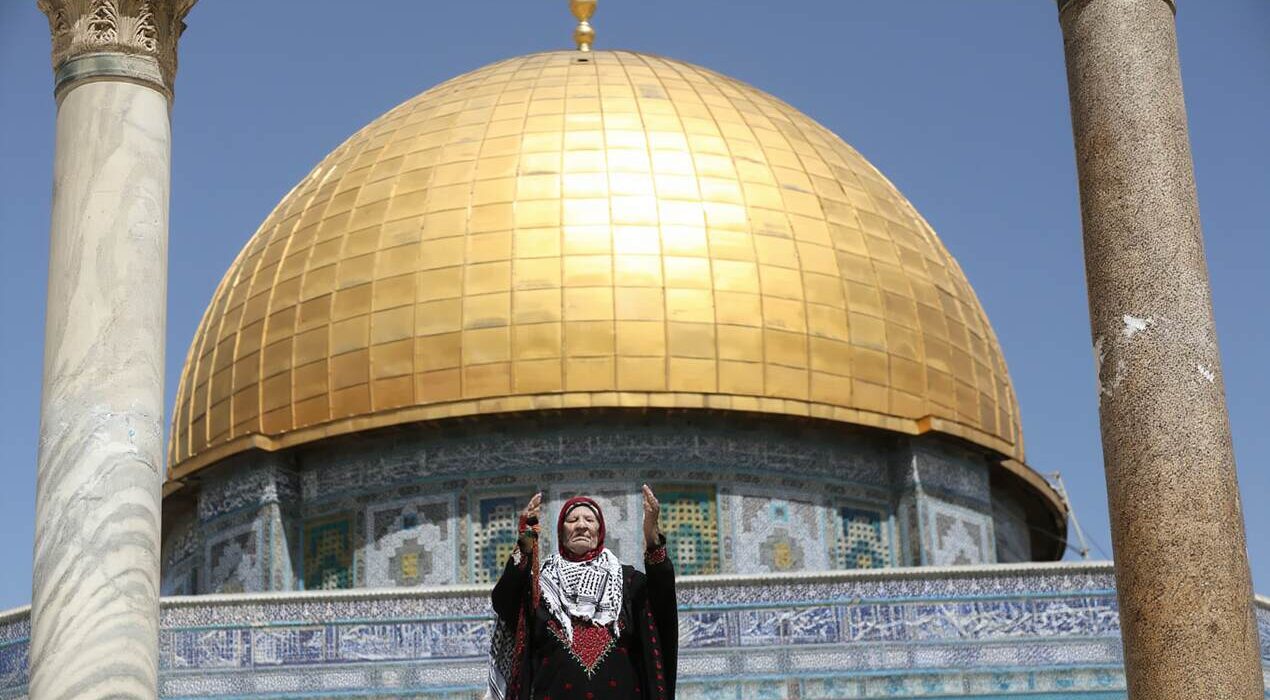
During Ramazan, hundreds of thousands of Palestinians traditionally gather at Al-Aqsa Mosque for prayers. The mosque is Islam’s third-holiest site and holds deep spiritual significance. However, the Al-Aqsa Mosque closure and new security measures have limited access for many worshippers.
Joint Statement Condemns Restrictions
The foreign ministers strongly rejected Israel’s restrictions on access to the Old City of Jerusalem. They described the measures as discriminatory and unjustified. In addition, they warned that such actions violate international humanitarian law. The statement emphasized that Israel does not have sovereignty over occupied Jerusalem. Therefore, the ministers argued that it cannot control access to Islamic and Christian holy sites there. They also stressed that the entire Al-Aqsa compound is a place of worship exclusively for Muslims.
According to the statement, the Jerusalem Endowments and Al-Aqsa Mosque Affairs Department holds the legal authority to regulate entry to the mosque. Consequently, the ministers urged Israel to respect this arrangement. They also called on the international community to take a firm position. Moreover, they asked global leaders to pressure Israel to stop what they described as ongoing violations against religious sites in Jerusalem.
Ramazan Prayers and Security Restrictions
The Al-Aqsa Mosque closure and new restrictions have raised concerns among Palestinians. Many fear that the long-standing status quo at the compound is gradually changing. Under existing arrangements, Jewish visitors may enter the compound but cannot perform prayers there. Israel says it remains committed to maintaining this policy. However, Palestinians worry that new restrictions may weaken the arrangement.
Last month, Israeli authorities limited access for Palestinian worshippers from the occupied West Bank. Officials capped the number of worshippers at 10,000 during Ramazan. Police also deployed large security forces around the mosque compound. Authorities introduced additional age restrictions for worshippers from the West Bank. Men aged 55 and older and women aged 50 and above can enter the site. Children under the age of 12 may also access the compound.