US Unfair Trade Probes Revive Tariff Pressure on Global Partners
The United States has opened fresh investigations into global trade practices. These US trade probes aim to rebuild tariff pressure on key trading partners. Earlier this year, temporary tariffs introduced by Donald Trump faced legal challenges. The Supreme Court of the United States ruled that broad global tariffs violated a national emergency law. As a result, the administration adjusted its strategy. However, officials quickly introduced a temporary 10% tariff. The measure will stay in place for 150 days under the Trade Act of 1974.
Timeline and Public Input
Authorities have set a fast timeline for the investigations. Public comments will remain open until April 15. In addition, officials plan a public hearing around May 5. The process will help policymakers review evidence and gather industry views. Meanwhile, the probes focus on global manufacturing overcapacity. Leaders argue that excessive production harms fair competition.
Pressure on Trading Partners
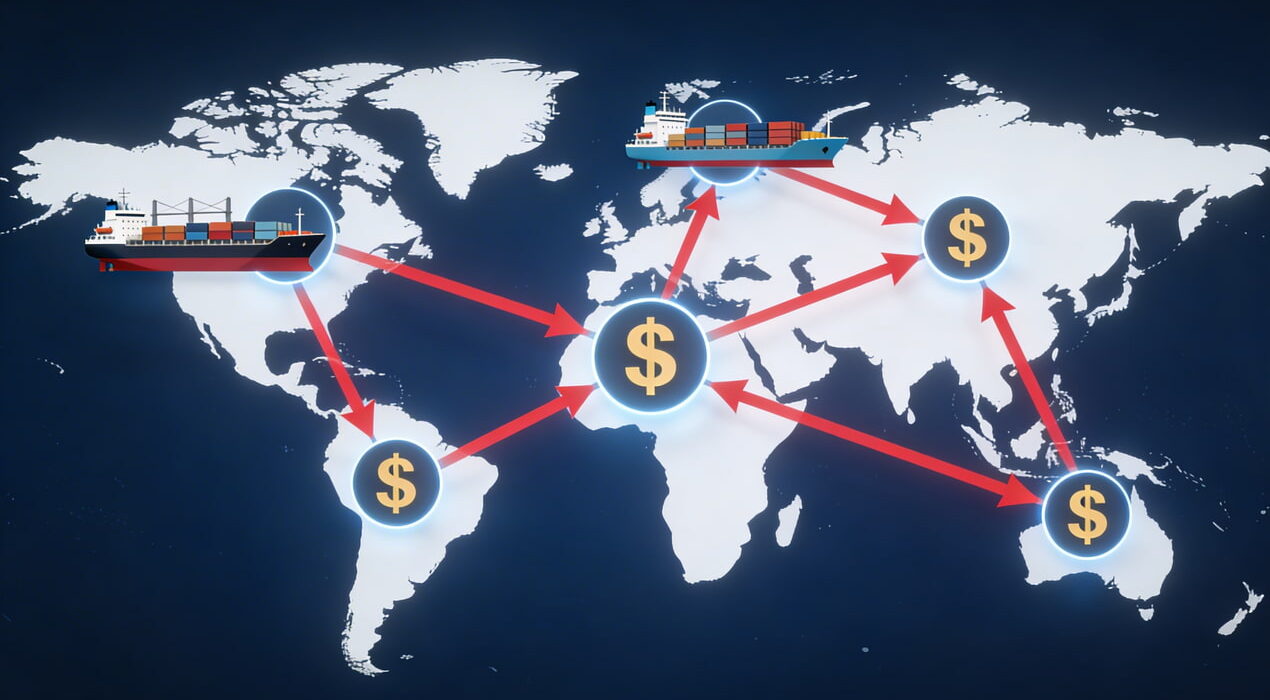
The US trade probes also serve another purpose. They strengthen Washington’s negotiating power with global partners. According to trade officials, the goal is simple. The government wants countries to respect trade commitments and avoid unfair advantages. Trade Representative Jamieson Greer said partners should not feel surprised by the investigation. Officials had discussed these concerns for months. Still, he warned that new tariffs remain possible. Countries must follow agreements to avoid additional penalties.
Focus on Manufacturing and China
The investigations come as senior officials prepare for talks with China. For example, U.S. Treasury Secretary Scott Bessent plans meetings with Chinese counterparts in Paris. Those discussions may lead to a future meeting between Donald Trump and Xi Jinping in Beijing. Previous tariffs on Chinese imports played a major role in trade negotiations. In fact, a past probe under the Trade Act helped justify tariffs of about 25%. Officials now say the new investigations target excess production. Governments often support these industries with subsidies and loans. Such policies can flood global markets with low cost goods. As a result, manufacturers in other countries struggle to compete.
Why It Matters
Policymakers believe stronger trade tools will protect American industries. They also hope to reduce trade deficits and promote fair competition. Therefore, the US trade probes could shape future trade deals. Businesses and global partners will watch the process closely in the coming months.