Pakistan Produce Supply Chain Still Dominated by Traditional Markets
Technology has transformed food markets across the world. However, the Pakistan Produce Supply system still depends mostly on traditional wholesale markets. Experts say farmers and buyers continue to rely on middlemen and physical mandis. As a result, digital platforms handle only a small portion of fruit and vegetable trade.
Traditional Markets Still Control Trade
Most agricultural trading in Pakistan takes place in wholesale markets. Commission agents often control prices and supply in these markets. Meanwhile, digital marketplaces and quick commerce services are growing in cities. However, they have not yet changed the basic farm to consumer system. Industry observers note that farmers still depend on traditional channels. Therefore, change in the supply chain remains slow.
Digital Platforms Handle Only a Small Share
Farmer organizations say online platforms manage only a small portion of produce trade. Estimates suggest digital platforms handle just 2 to 3 percent of the total supply. Sindh Abadgar Board President Mahmood Nawaz Shah explained the issue clearly.
According to him, most trading still happens under the traditional mandi system. In addition, market laws require buying and selling inside government approved markets. These markets operate under local market committees. As a result, commission agents continue to play a central role.
Weak Infrastructure Limits Growth
Limited infrastructure also slows progress. Pakistan does not have enough wholesale markets for its large population. For example, Karachi, one of the country’s biggest cities, mainly relies on a single large fruit and vegetable wholesale market. Because of this limitation, trade often concentrates in a few hands. Consequently, farmers and retailers have fewer market options.
Technology Companies See Long Term Potential
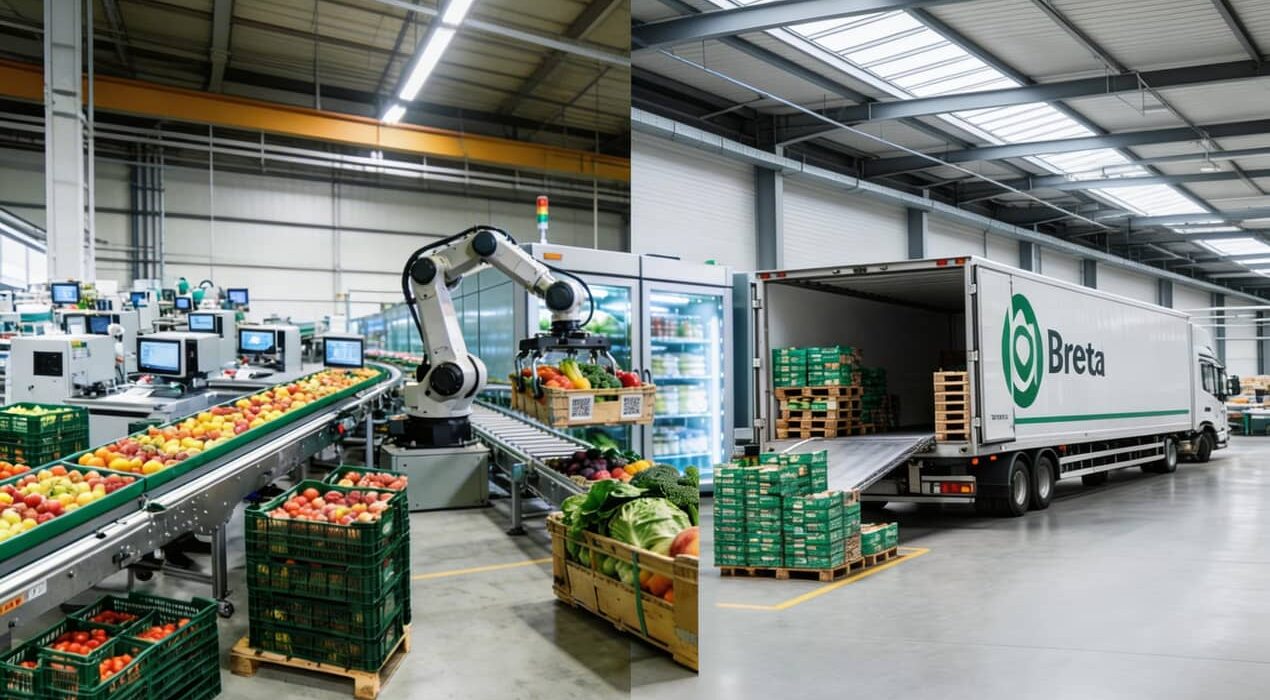
Technology companies still believe digital tools can reshape the supply chain. Online marketplaces aim to connect farmers directly with buyers. In addition, these platforms invest in cold chain logistics and smarter distribution systems. The goal is to reduce waste and improve product quality. Syed Taha Maghrabi, director at Foodpanda Pakistan, highlighted another key point. He said the sustainability of the farm to consumer system depends on reducing food waste. When spoilage drops, farmers earn better prices. At the same time, consumers pay fair rates. Experts believe digital platforms could grow in the future. However, meaningful change requires reforms in agricultural marketing. Better cold storage, improved logistics, and easier farm financing are also necessary. Without these steps, technology alone cannot transform the Pakistan Produce Supply system.