High-Dose Vitamin D May Reduce Long COVID Risk
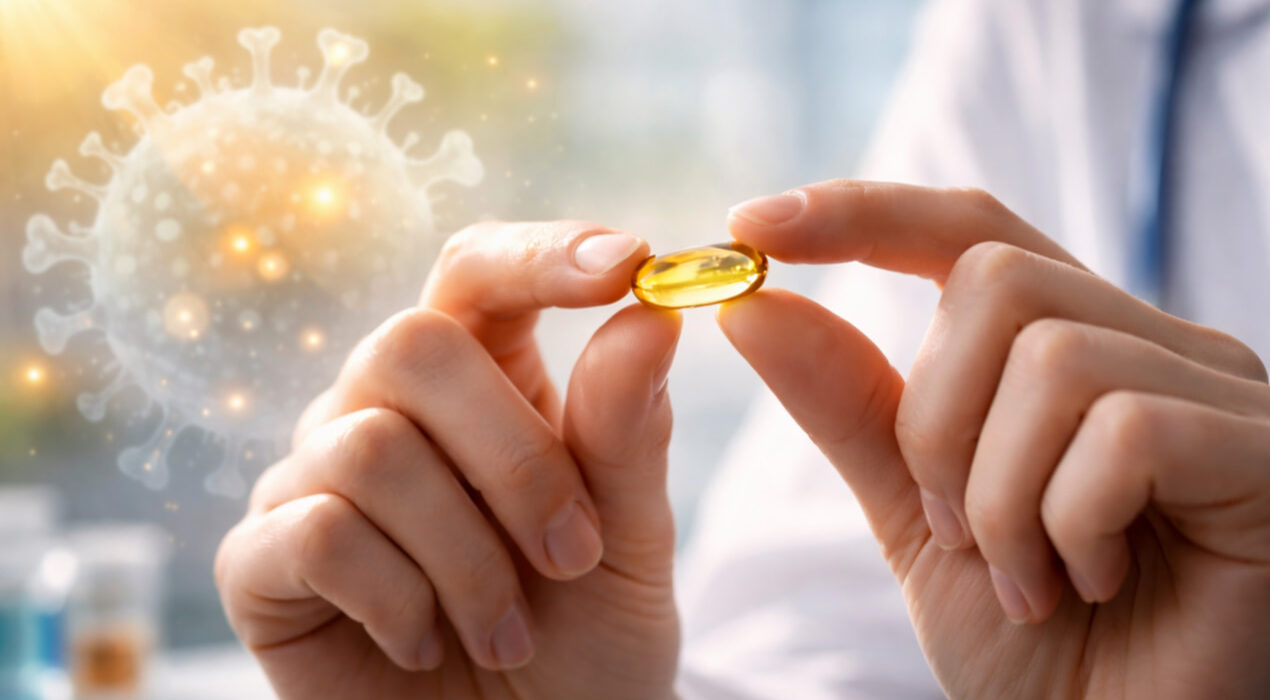
A major trial found that high-dose vitamin D did not make COVID-19 infections less severe. However, researchers spotted a possible signal that the supplement may reduce the chances of developing long COVID. Findings from Mass General Brigham suggest scientists should continue investigating the effects of vitamin D on long COVID. The results were published in The Journal of Nutrition.
“While we didn’t see lower COVID severity or hospitalizations, there is a promising signal for long COVID,” said JoAnn Manson, MD, DrPH, senior author at Mass General Brigham.
The VIVID Trial
Vitamin D often supports immune health, though its role in COVID-19 has been unclear. Researchers launched the VIVID Trial to test high-dose vitamin D3 in people recently diagnosed with COVID-19 and their households. The study included 1,747 adults and 277 household contacts in the U.S. and Mongolia. Participants took vitamin D3 or placebo daily for four weeks.
The U.S. trial ran from December 2020 to September 2022, while Mongolia’s portion took place from September 2021 to April 2022. Participants began supplements roughly three days after testing positive.
Study Results
High-dose vitamin D did not reduce hospital visits, clinic appointments, or symptom severity. Household contacts also showed no lower infection risk. However, researchers noticed a small difference in long COVID outcomes. About 21% of those taking vitamin D reported lingering symptoms after eight weeks, compared with 25% in the placebo group. This signal was considered borderline significant.
“Long COVID continues to affect daily life with fatigue, brain fog, and shortness of breath,” said Manson. “We plan to research whether long-term vitamin D can reduce these risks in larger populations.”