Fathers’ Tobacco Impact: Study Links Paternal Nicotine Exposure to Children’s Metabolic Health
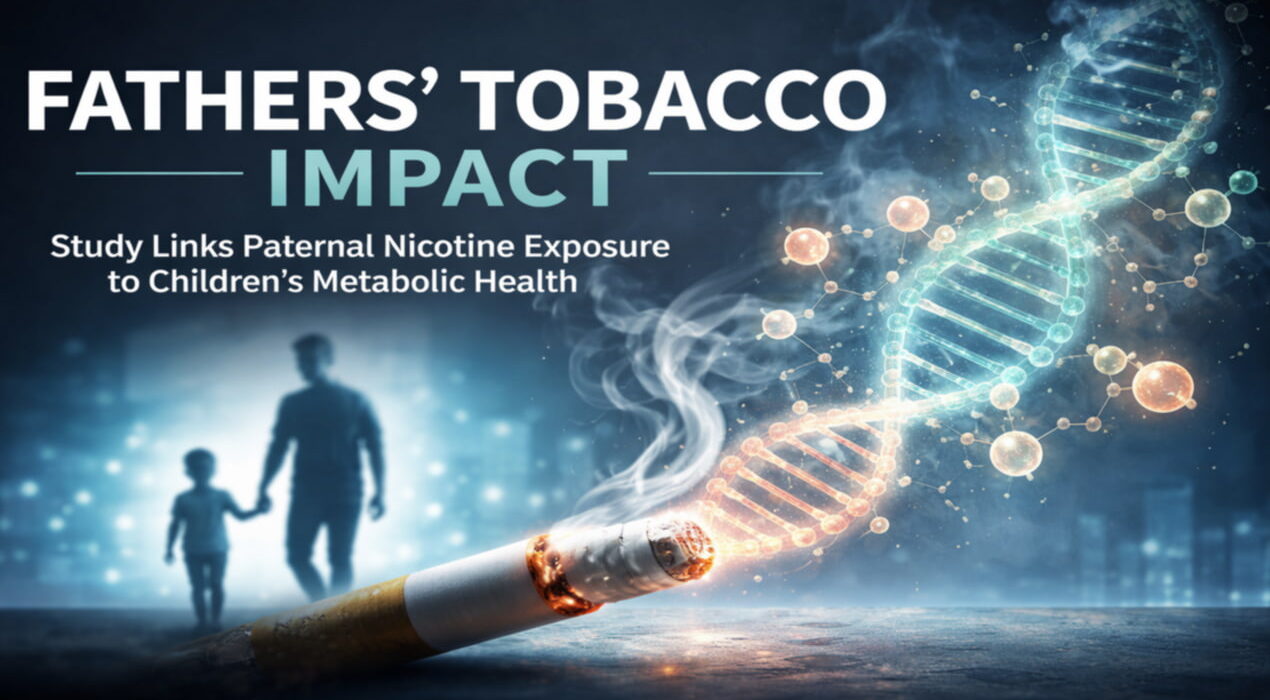
New research suggests fathers’ tobacco impact may affect their children’s metabolic health. Scientists discovered that nicotine exposure in fathers could influence how offspring process sugar. As a result, these changes may raise the risk of diabetes later in life.
Researchers published the findings in the Journal of the Endocrine Society. The study used a mouse model to explore how paternal nicotine exposure affects the next generation. Scientists observed clear metabolic differences in the offspring.
Diabetes is already a major health concern in the United States. According to the Centers for Disease Control and Prevention, millions of Americans live with the condition. In addition, diabetes can lead to heart disease, kidney problems, and nerve damage. Because the illness is lifelong, treatment can be expensive and challenging. Therefore, scientists continue to study factors that may increase diabetes risk.
Metabolic Changes Seen in Offspring
Researchers gave male mice nicotine through drinking water before reproduction. They then monitored the health of their offspring and compared them with a control group. The results showed notable metabolic differences. For example, female offspring had lower insulin and fasting glucose levels. Male offspring also showed reduced blood glucose levels and changes in liver function.
These metabolic shifts may influence how the body manages sugar. In addition, metabolic problems can contribute to conditions such as obesity and fatty liver disease.
Why Father’s Health Matters Before Conception
The study highlights the importance of paternal health before conception. Scientists believe lifestyle choices by fathers may influence long-term health outcomes in children. Nicotine was the only substance used in the experiment. Therefore, researchers could isolate its specific effects. This suggests nicotine itself may trigger metabolic changes in offspring.
Experts say reducing tobacco use could help protect future generations. As a result, improving male health before conception may become an important part of preventive care.