Anthropic Supply Risk Ruling: Judge Blocks Pentagon Move
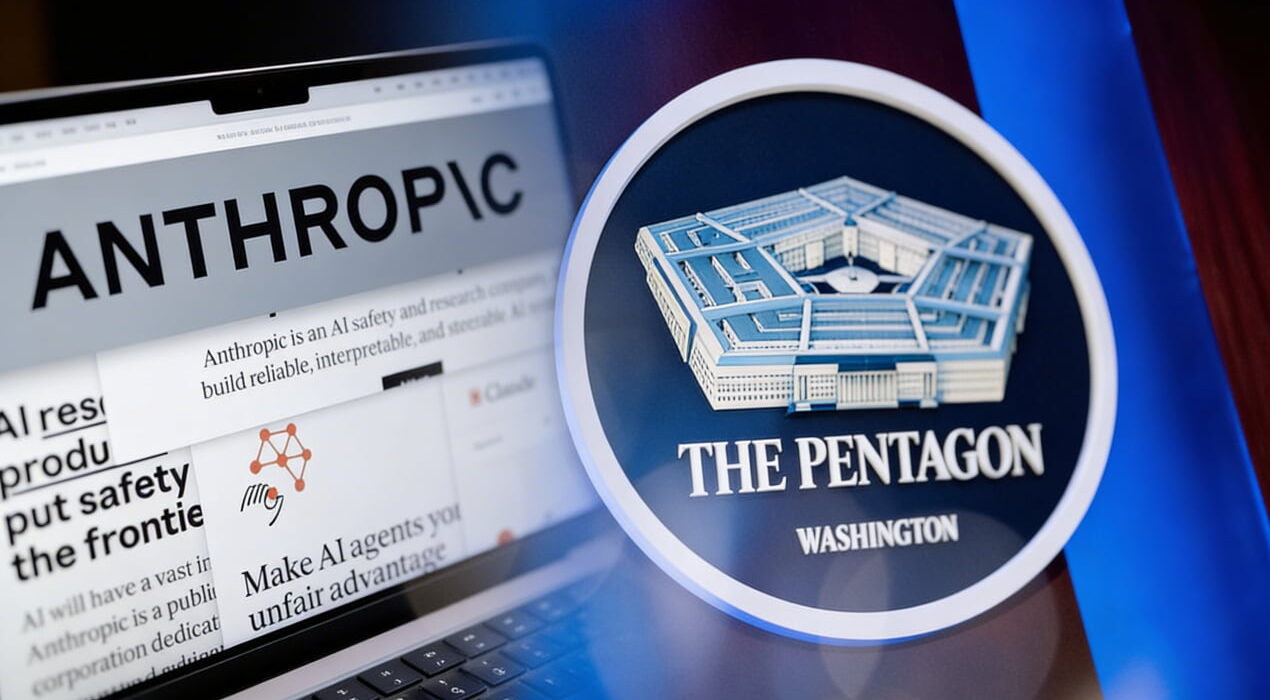
The Anthropic supply risk ruling has stopped a major Pentagon action. A federal judge ruled in favor of Anthropic and blocked the decision. Rita Lin said the government crossed legal limits. She argued the move violated constitutional protections. As a result, the court halted the action indefinitely.
Court Criticizes Government Actions
Judge Lin strongly criticized the Pentagon’s approach. She said the government unfairly labeled the company as a threat. According to the ruling, no law supports such a claim. In addition, she called the move “Orwellian” in tone. Therefore, the court found it excessive and unjustified. The judge also noted First Amendment concerns. She explained that companies can disagree with the government. However, they should not face punishment for doing so.
Dispute Over AI Use Policies
The conflict began between the Department of Defense and Anthropic. The company refused to relax safety rules on its AI tools. For example, Anthropic limited the use of its Claude AI model. It opposed use in autonomous weapons and mass surveillance.
As a result, tensions grew quickly. Later, Pete Hegseth labeled the firm a supply chain risk. This label usually applies to foreign-linked companies. However, Anthropic is a US-based firm. Soon after, Donald Trump and officials ordered agencies to cut ties. This decision raised concerns across the tech sector.
Company Responds to Decision
Anthropic welcomed the court’s decision. A spokesperson said the ruling protects its rights and partnerships. The company also stressed its long term goals. It wants to work with the government responsibly. In addition, it aims to build safe and reliable AI systems. Meanwhile, the judge delayed enforcement for one week. This gives the government time to appeal. However, her message remained clear throughout. She stated the action appeared retaliatory. In other words, the government acted due to public disagreement. Therefore, the ruling marks a key moment for tech policy and free speech.