Living Robots Xenobots Created From Frog Cells
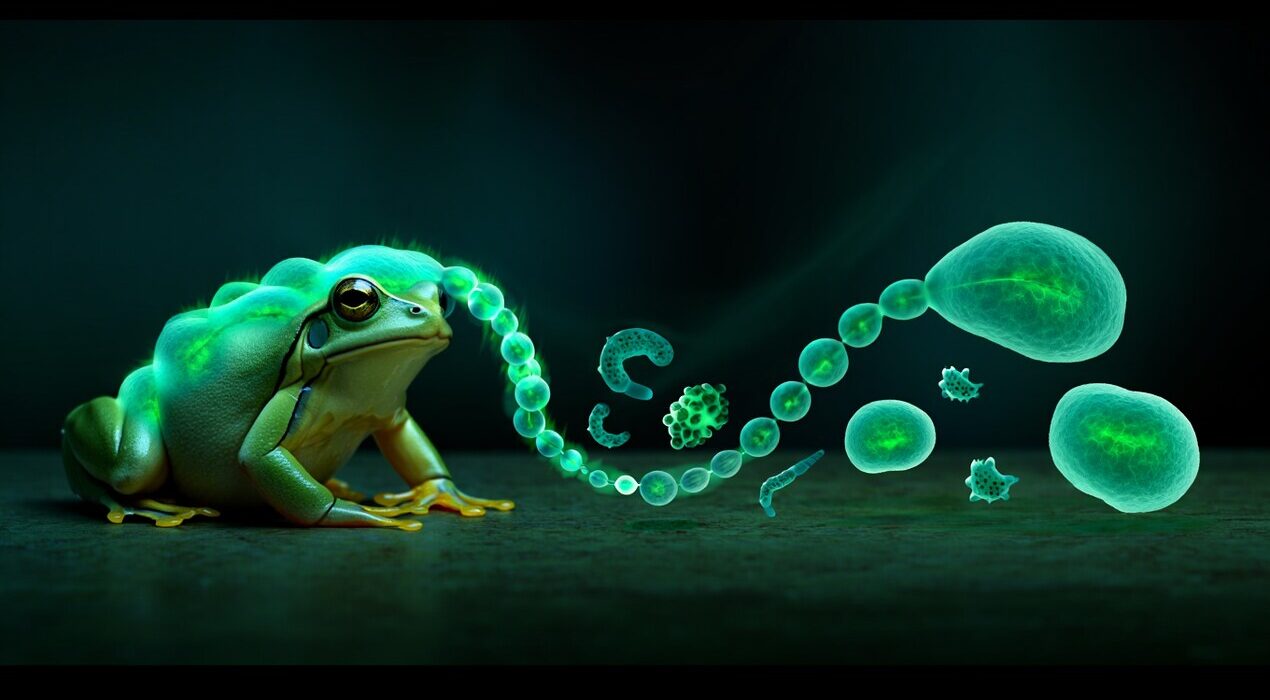
Scientists have created living robots xenobots using frog cells. These tiny biological machines come from stem cells of the African clawed frog. As a result, they behave like simple living systems. Researchers build these xenobots using biological engineering. They arrange cells into specific shapes. Therefore, the cells begin working together as a new organism.
Unlike traditional robots, xenobots contain no metal or plastic. Instead, they are fully biological. In addition, they can move and perform simple tasks. Another key feature is self-repair. If damaged, xenobots can heal themselves. As a result, they last longer than expected for such tiny systems.
Future potential and ethical concerns
Scientists have also observed basic self-replication. For example, xenobots can gather loose cells and form new versions. Therefore, this discovery opens new research possibilities. These living robots could help in many fields. They may deliver drugs inside the human body. In addition, they could remove microplastics from oceans. Researchers also see potential in tissue repair. Xenobots might help heal damaged cells in the future. As a result, healthcare could benefit greatly. However, experts stress careful oversight. This technology raises ethical and safety concerns. Therefore, strict guidelines are necessary as research continues. Overall, living robots xenobots mark a major scientific breakthrough. They combine biology and technology in new ways. As a result, they could shape the future of science.