Self-Healing Electronics Can Repair Circuits Automatically
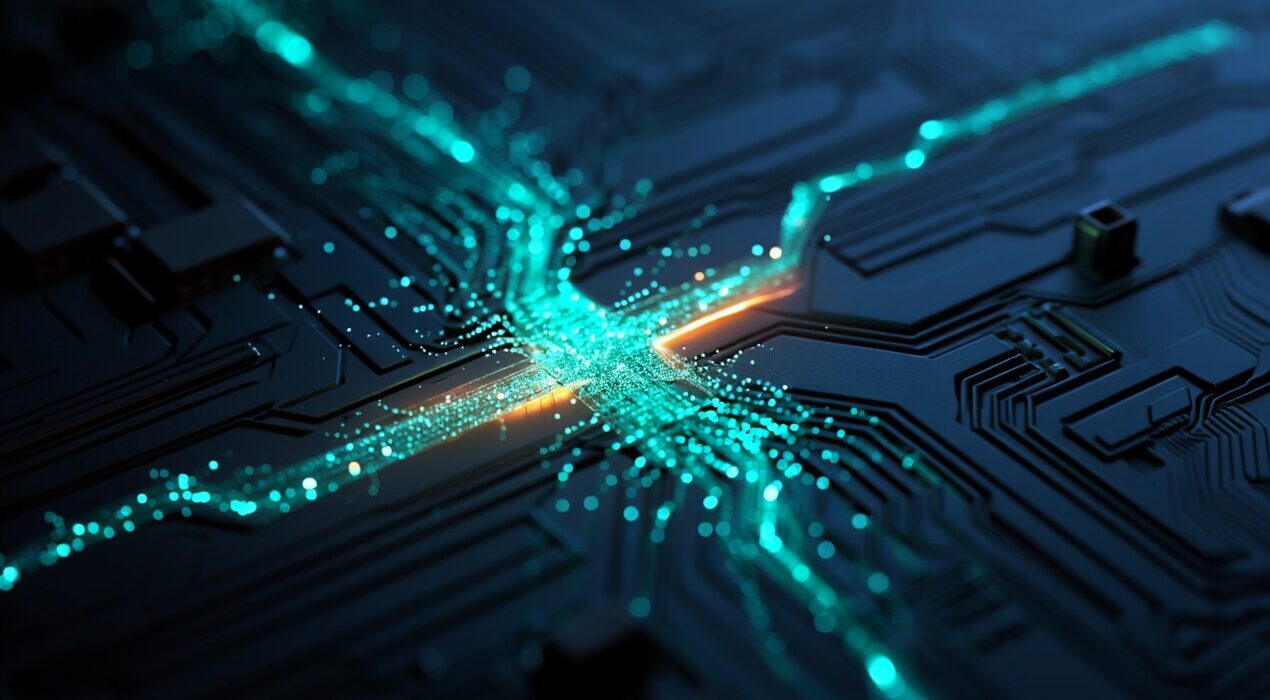
Researchers are advancing self-healing electronics that can repair themselves after damage. These materials restore electrical connections automatically. As a result, devices can keep working even after cracks or stress. The technology uses flexible polymers with conductive particles. In some cases, it includes microcapsules filled with repair agents. Therefore, when a circuit breaks, the material reconnects itself quickly. For example, a damaged pathway can rebuild on its own. In addition, chemicals inside the material help restore conductivity. This process happens without human intervention. These features make electronics more reliable. As a result, users face fewer device failures over time.
Future applications and benefits
Self-healing electronics can improve many industries. Wearable devices, for instance, will last longer under constant movement. In addition, flexible displays can resist everyday wear and tear. Robotics and aerospace systems will also benefit. These environments often involve stress and harsh conditions. Therefore, durable materials are essential for safety and performance. The technology also helps in remote locations. Devices like satellites or deep-sea sensors are hard to repair. As a result, self-repairing systems increase reliability. Medical implants may also become safer. These devices need to function without interruption. Therefore, self-healing materials can support long-term use.
Another major advantage is sustainability. Longer-lasting electronics reduce waste. As a result, fewer devices need replacement. Overall, self-healing electronics represent a major step forward. They combine durability with smart design. Therefore, they could shape the future of resilient technology.