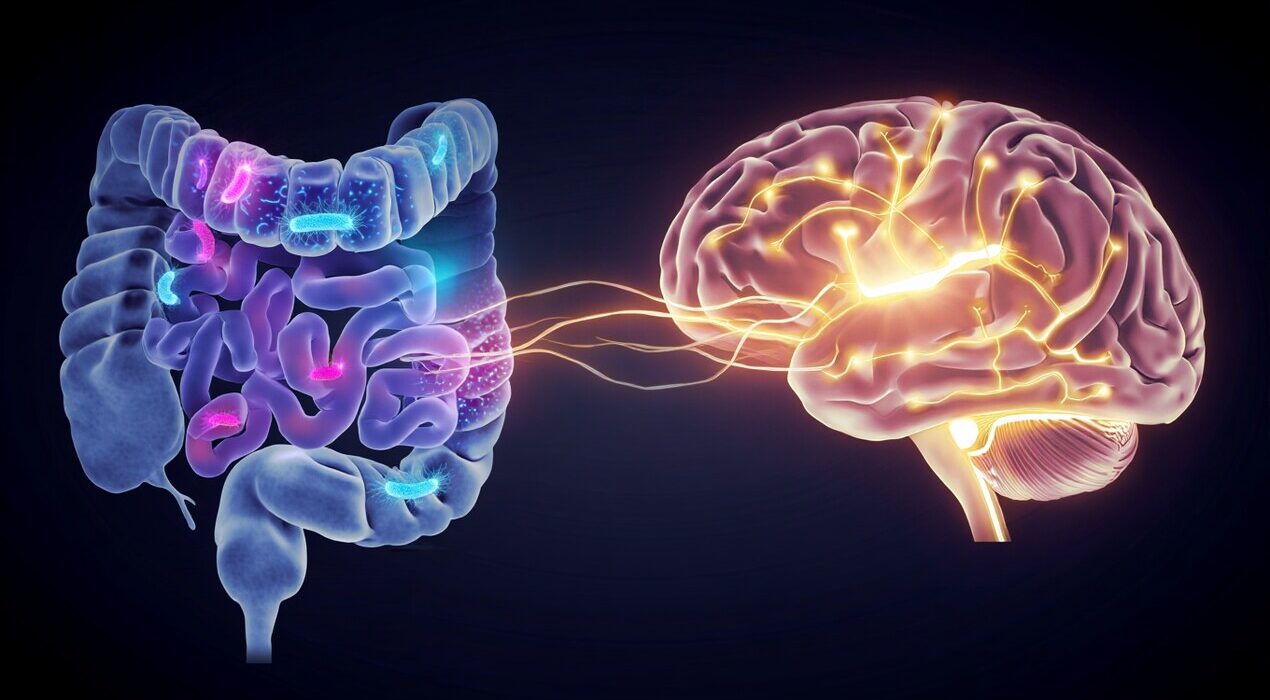
Gut Pathway Discovery Could Reverse Memory Loss
Memory often fades with age. However, the problem may not start in the brain. New research points to the gut instead. Scientists at the Arc Institute studied mice. They found that gut bacteria change as we age. These changes produce certain molecules. As a result, those molecules disrupt brain circuits.
How Gut Bacteria Disrupt Memory
The team identified one key bacterium. Its name is Parabacteroides goldsteinii. This microbe makes medium-chain fatty acids (MCFAs). MCFA levels rise with age. In addition, these fatty acids activate immune cells in the gut. The immune cells then release an inflammatory molecule called IL-1β. This molecule interferes with the vagus nerve. That nerve connects the gut directly to the brain. Consequently, the signal never reaches the hippocampus. The hippocampus is essential for forming memories. When this pathway breaks, memory suffers.
Reversing the Damage
The researchers then tested a bold idea. They transferred old microbiomes into young mice. The young mice quickly developed memory problems. However, removing the microbiome with antibiotics restored their memory. Therefore, the effect was reversible. Mice raised without any microbiome also aged better cognitively. This discovery opens a new path for treatment. Instead of focusing only on the brain, scientists can target the gut. For example, adjusting gut bacteria or blocking IL-1β might reverse memory loss in people. More research is needed. Nevertheless, these findings offer real hope for fighting age-related cognitive decline.